
GENERAL
Bugis Food Guide: Authentic South Sulawesi Cuisine

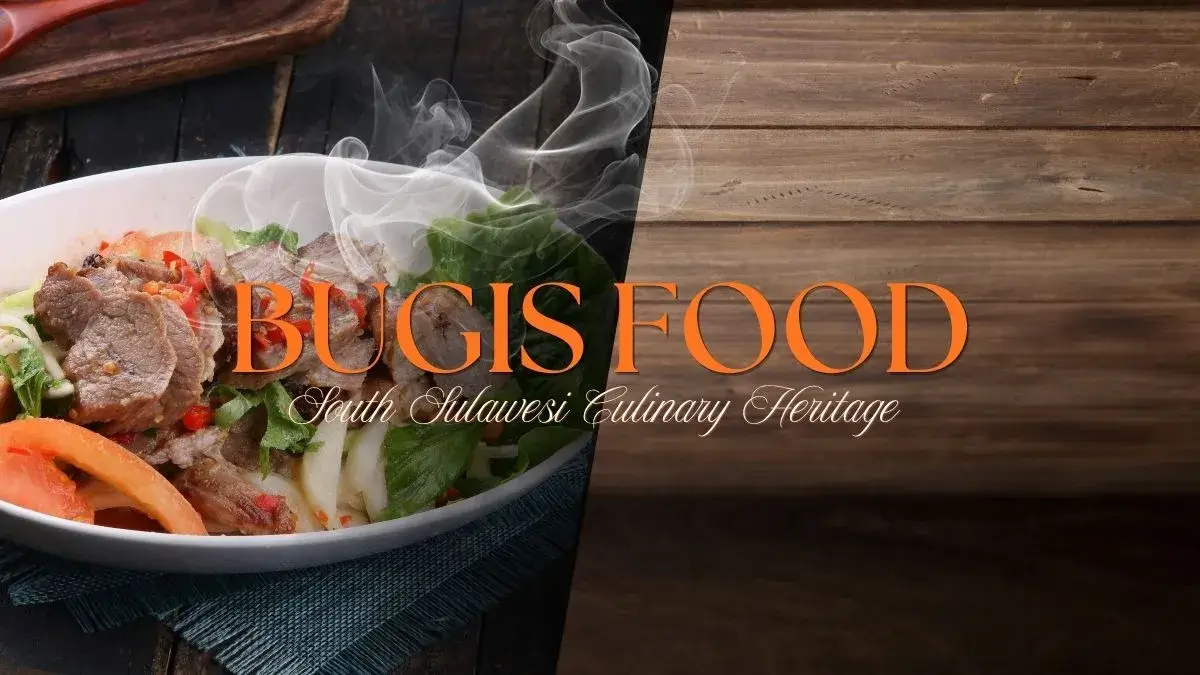
Bugis food refers to the traditional cuisine of the Bugis ethnic group from South Sulawesi, Indonesia, particularly regions such as Bone, Wajo, Soppeng, and parts of Makassar.
Although often grouped with Makassarese cuisine, Bugis cooking has its own culinary identity.
Historically:
- Makassarese cuisine evolved around port-city commerce,
- while Bugis cuisine developed through maritime migration and inland royal networks.
That distinction explains several differences:
- Bugis food tends to rely more heavily on preserved ingredients,
- ceremonial rice preparations,
- coconut processing,
- and portable protein-rich meals.
The Bugis also spread their food culture far beyond Sulawesi. By the 18th century, Bugis settlements existed throughout:
- Johor,
- Selangor,
- Riau Islands,
- Singapore,
- Sabah,
- and coastal Kalimantan.
This migration transformed Bugis food into a transnational maritime cuisine rather than a purely regional Indonesian one.
Table of Contents
Why Bugis Cuisine Tastes Different from Javanese or Sumatran Food
Many first-time visitors notice something unusual about Bugis dishes:
The flavors feel darker, smokier, and more concentrated.
That comes from cooking architecture rather than just ingredients.
1. Toasted Coconut as a Flavor Base
One defining Bugis technique involves slowly roasting grated coconut until oils caramelize and nutty compounds develop.
This process:
- deepens umami,
- introduces smoky bitterness,
- thickens soups naturally,
- and creates longer-lasting flavor persistence.
In dishes like Pallubasa, roasted coconut contributes almost coffee-like earthy notes.
Chemically, coconut browning triggers Maillard reactions, the same reactions responsible for the aromas of roasted meat.
Many generic food articles completely overlook this.
2. Heavy Use of Collagen Extraction
Bugis soups frequently use:
- beef joints,
- ribs,
- tendons,
- offal,
- and connective tissue.
Long simmering dissolves collagen into gelatin, producing:
- viscous broth texture,
- richer mouthfeel,
- prolonged flavor coating on the palate.
3. Spice Layering Instead of Direct Heat
Unlike some Padang dishes that prioritize aggressive chili intensity, Bugis cuisine builds heat gradually.
A typical Bugis spice progression moves through:
- aromatic sweetness,
- earthy spice warmth,
- pepper sharpness,
- lingering chili heat.
This layered construction reflects spice-trade influence from:
- Maluku cloves,
- nutmeg routes,
- Arab trading networks,
- and indigenous Sulawesi herbs.
The Maritime Logic Behind Bugis Food
One of the least-understood aspects of Bugis food is its portability.
Bugis sailors spent weeks or months at sea. Food needed to:
- resist spoilage,
- remain filling,
- tolerate tropical temperatures,
- and preserve flavor without refrigeration.
That necessity shaped several iconic Bugis foods.
Why Is Burasa Wrapped So Tightly?
Burasa: The Sailor’s Rice
Burasa is compressed rice cooked with coconut milk and wrapped tightly in banana leaves.
Unlike ordinary lontong:
- Burasa contains fat from coconut milk,
- making it denser and slower to digest,
- which helped sustain sailors during long voyages.
The tight wrapping also reduced oxygen exposure and slowed microbial spoilage.
Modern food science confirms that banana leaves contain polyphenolic compounds with mild antimicrobial effects. Traditional Bugis cooks may not have described chemistry, but they understood the preservation outcome through centuries of experience.
Coto Makassar: More Than Beef Soup
Many blogs describe Coto Makassar as simply “Indonesian beef soup.”
That description is incomplete.
Authentic Coto Makassar involves:
- separately roasting spices,
- emulsifying beef fat into broth,
- balancing peanut density,
- and controlling bitterness from offal components.
Traditional preparations may use over 40 individual flavor interactions during cooking.
The soup’s distinctive depth comes from:
- coriander seed oils,
- lemongrass aromatics,
- toasted peanuts,
- galangal sharpness,
- and collagen suspension.
When properly prepared, the broth leaves a slightly sticky residue on the lips, a sign of dissolved gelatin.
Pallubasa vs Coto Makassar: Why Locals Treat Them Differently
| Feature | Pallubasa | Coto Makassar |
| Overall Identity | Thicker, indulgent, coconut-rich beef soup | Traditional, balanced beef and offal soup |
| Texture | Thick, dense, slightly oily and creamy | Lighter, more broth-forward consistency |
| Flavor Strength | Richer and more intense | Cleaner spice profile with balanced depth |
| Coconut Use | Heavy use of toasted grated coconut (key feature) | No coconut as primary thickener |
| Spice Character | Smokier and deeper due to coconut roasting | Strong herbal and earthy spice blend |
| Broth Style | Heavy, stew-like, coating mouthfeel | Soupy, smoother, easier to drink |
| Protein Base | Beef cuts, sometimes topped with egg yolk | Beef + offal (intestine, liver, heart depending on tradition) |
Konro and the Science of Keluak
Konro derives much of its identity from keluak (Pangium edule), a fermented black nut.
Raw keluak is naturally toxic due to cyanogenic compounds. Traditional fermentation neutralizes these toxins while transforming flavor chemistry.
The resulting paste contributes:
- earthy bitterness,
- fermented depth,
- dark coloration,
- and almost truffle-like aromatic qualities.
This ingredient also appears in East Javanese rawon, but Bugis Konro uses it differently.
Where rawon emphasizes soup smoothness, Konro focuses on rib density and spice penetration into connective tissue.
The Royal Origins of Barongko
Many Indonesian desserts evolved from peasant cooking.
Barongko did not.
Historically, Barongko was associated with Bugis aristocracy and royal ceremonies.
The dessert combines:
- mashed banana,
- coconut milk,
- eggs,
- sugar,
- and salt,
wrapped inside banana leaves before steaming.
Its texture resembles somewhere between:
- custard,
- flan,
- and dense banana pudding.
The salt is critical.
Without it, the dessert becomes flat and overly sweet. Tiny salt quantities suppress bitterness while enhancing banana aromatics, a principle widely recognized in modern pastry science.
Why Fermentation Matters in Bugis Cuisine
Fermentation is one of the hidden structural pillars of Bugis food.
Traditional Bugis kitchens historically used:
- fermented shrimp paste,
- salted fish,
- preserved seafood,
- fermented nuts,
- and aged spice blends.
These ingredients create naturally occurring glutamates, responsible for umami perception.
This explains why Bugis cuisine often tastes intensely savory without requiring industrial flavor enhancers.
Before “umami” became part of the global culinary vocabulary, Bugis cooks were already engineering glutamate-rich food systems through preservation techniques.
Coastal Bugis Food vs Inland Bugis Food
| Aspect | Coastal Bugis Cuisine | Inland Bugis Cuisine |
| Core Food Identity | Maritime, sea-driven diet | Land-based, agrarian and livestock-driven diet |
| Primary Proteins | Grilled seafood, fish, dried anchovies | Beef, goat, poultry, offal |
| Flavor Profile | Saltier, sharper, more acidic | Richer, deeper, heavier and more rounded |
| Signature Cooking Style | Grilling, quick frying, light broths | Slow cooking, simmering, stewing |
| Common Ingredients | Seaweed, fish, chili, lime, tamarind | Coconut milk, rice, beef, spice blends |
How Bugis Migration Changed Malaysian Food
The Bugis diaspora significantly influenced Malay culinary development.
By the 18th and 19th centuries, Bugis communities controlled important trade corridors in:
- Johor,
- Selangor,
- and Riau.
Their food traditions spread techniques involving:
- grilled fish marinades,
- coconut rice preservation,
- sambal preparation,
- banana leaf steaming.
Some Malaysian dishes now considered “Malay” contain substantial Bugis influence, particularly in coastal western Malaysia.
This is one reason Bugis food feels culturally familiar across multiple Southeast Asian countries despite originating in Sulawesi.
What Does Authentic Bugis Food Smell Like?
Experts often evaluate cuisines through the lens of aroma architecture.
Authentic Bugis food typically carries:
- charcoal smoke,
- toasted coconut oil,
- lemongrass vapor,
- fermented seafood sharpness,
- coriander warmth,
- and banana leaf steam.
The smell changes dramatically during the cooking stages.
For example:
- early-stage Pallubasa smells nutty,
- mid-stage broth smells peppery,
- final-stage serving introduces fatty vapor and herbal lift.
These sensory transitions are part of why traditional Bugis restaurants often cook in semi-open kitchens.
The aroma itself functions as an appetite stimulant.
Is Bugis Food Healthy?
Traditional Bugis diets were designed for physically demanding maritime labor, not sedentary urban lifestyles.
That distinction matters nutritionally.
Nutritional Strengths
Traditional Bugis foods often provide:
- collagen-rich broths,
- omega-3 seafood fats,
- spice antioxidants,
- fermented digestive compounds,
- protein-dense meals.
Nutritional Concerns
Modern restaurant adaptations may contain:
- excessive sodium,
- overused palm oil,
- oversized carbohydrate portions.
Historically, however, Bugis sailors burned enormous caloric loads through manual navigation and fishing labor.
The original diet made functional sense for that environment.
FAQs
1. Is Bugis food spicy?
Yes, but Bugis cuisine emphasizes layered aromatic heat rather than overwhelming chili intensity.
2. What is the most famous Bugis dish?
Coto Makassar, Konro, and Pallubasa are among the best-known Bugis culinary icons.
3. Is Bugis food halal?
Most traditional Bugis cuisine is halal because Bugis society has been predominantly Muslim for centuries.
4. Why are banana leaves important in Bugis cooking?
Banana leaves preserve moisture, enhance aroma, improve portability, and historically helped protect food during sea travel.
5. What makes Bugis cuisine unique?
Its combination of maritime preservation methods, toasted coconut techniques, collagen-rich broths, and spice-trade influences makes it distinct within Indonesian cuisine.


Lizard Pose: A Complete Guide to Form & Flexibility

Tech Etruesports: The Evolution of Competitive Gaming

Ceıvır: Traditional Turkish Dish with Rich Flavors

GNHUSTGames: The Ultimate Platform for Unblocked Games

Kraams: The Heart of Dutch Market Culture

Butterfly Position: How to Do Baddha Konasana Safely

Tissariss Textile Art: A Tradition of Cultural Weaving

Anna Archive: Free Shadow Library Search Engine

Bl_Faceless: Anonymous Digital Creators Redefining the Digital Space

Pepe Coin Overview: Inside the Meme Cryptocurrency Craze

Lotus Position (Padmasana): How to Do It Safely and Avoid Knee Pain

How to Prepare for a Gynaecology Appointment

RPDJAFUD: The Future of AI-Driven Cybersecurity and Automation

News JotechGeeks: Leading Source for Tech Updates

How to Meditate Daily Without Trying to “Empty Your Mind”
-
 GENERAL1 year ago
Christofle – For Those Who Dream of Family Heirloom Silver
-
SPORTS1 month ago
Discover the World of Football with Streameast: Watch Your Favorite Leagues and Tournaments
-
HOME IMPROVEMENT1 year ago
Spacious and Stylish 300cm Round Rugs: Elegant and Modern Designs for a Chic Home Decor
-
GENERAL8 months ago
Uncovering the World of кинокрадко: The Dark Side of Film Piracy