
YOGA
Ashtanga Yoga: A Comprehensive Guide to Its Philosophy, Practice, and Benefits

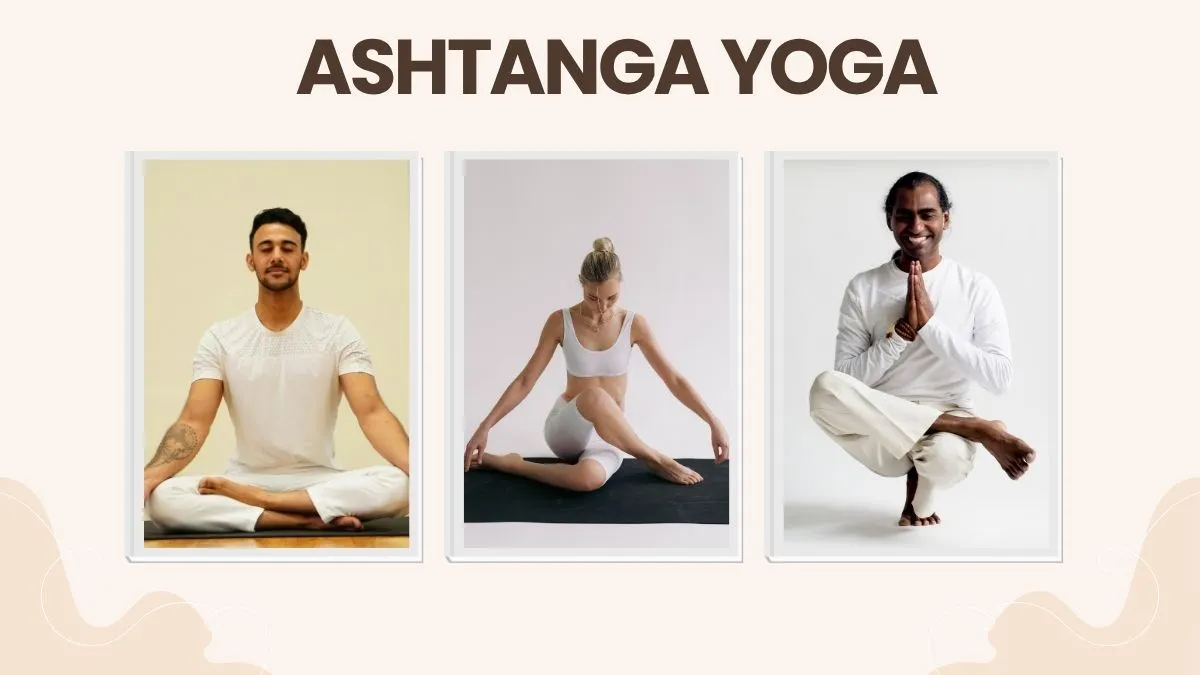
Ashtanga Yoga is a traditional form of yoga that follows a specific sequence of postures. The term “Ashtanga” originates from Sanskrit, meaning “eight limbs,” which refers to the eightfold path outlined in the Yoga Sutras of Patanjali. These eight limbs provide a framework for living a balanced and ethical life while progressing toward spiritual awareness.
K. Pattabhi Jois popularized the modern physical practice in the 20th century. His teachings emphasized disciplined practice, synchronized breathing, and consistent progression through a defined series of postures.
Table of Contents
The Eight Limbs of Ashtanga Yoga
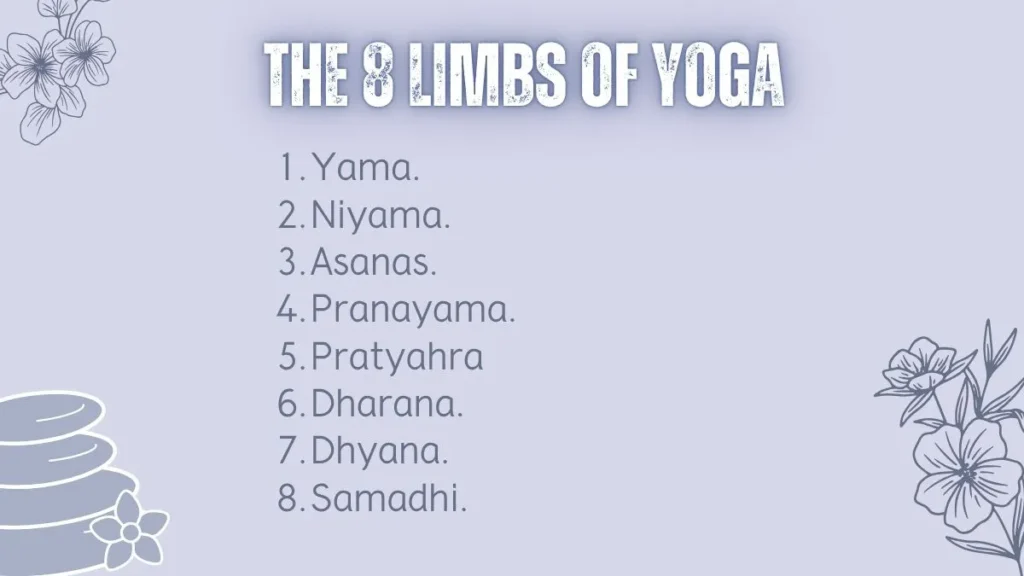
The philosophical foundation is based on eight interconnected principles that guide both physical and mental development:
- Yama: Ethical guidelines related to behavior toward others
- Niyama: Personal observances and self-discipline
- Asana: Physical postures
- Pranayama: Breath control techniques
- Pratyahara: Withdrawal of senses from external distractions
- Dharana: Concentration and focused attention
- Dhyana: Meditation and sustained awareness
- Samadhi: A state of deep spiritual connection
These components highlight that Ashtanga Yoga is not limited to physical exercise but is a comprehensive lifestyle system that supports personal development.
Structure of the Ashtanga Yoga Practice
Ashtanga Yoga is recognized for its structured sequences, often referred to as series. Each series follows a progressive design, enabling practitioners to build strength, flexibility, and stability over time.
Primary Series (Yoga Chikitsa)
The Primary Series focuses on alignment, detoxification, and foundational strength. Postures emphasize flexibility and stability while synchronizing breath with movement.
Intermediate Series (Nadi Shodhana)
This series introduces deeper backbends and more advanced postures designed to improve nervous system balance and energy flow.
Advanced Series (Sthira Bhaga)
The Advanced Series includes highly complex postures that require exceptional strength, balance, and body awareness.
Progression through these series is gradual and typically guided by experienced instructors to ensure safety and proper technique.
Key Elements of Ashtanga Yoga Practice
Several essential components distinguish Ashtanga Yoga from other yoga styles:
Breath (Ujjayi Pranayama)
Controlled breathing is synchronized with movement, creating a steady rhythm throughout the practice. This technique promotes concentration and supports oxygen flow.
Drishti (Gaze)
Practitioners maintain a focused gaze point during each posture. This element enhances concentration and reduces mental distractions.
Vinyasa (Movement Flow)
Each movement is linked with inhalation or exhalation, creating a continuous flow between postures.
Bandhas (Energy Locks)
Subtle muscular engagements known as bandhas help maintain stability and internal awareness during practice.
Together, these components create a meditative experience that integrates movement with mindfulness.
Physical Benefits
Research and practitioner experience suggest that consistent Ashtanga Yoga practice may support multiple aspects of physical health:
- Improved muscular strength and endurance
- Enhanced flexibility and joint mobility
- Better posture and spinal alignment
- Increased cardiovascular efficiency
- Support for weight management
- Improved coordination and balance
Because sequences are repeated regularly, practitioners often observe measurable improvements in physical performance over time.
Mental and Emotional Benefits
Beyond physical conditioning, it encourages mental discipline and emotional balance. The structured nature of the practice promotes:
- Increased focus and concentration
- Reduced stress levels
- Improved emotional regulation
- Greater self-awareness
- Enhanced mindfulness
The repetitive and rhythmic structure helps cultivate a sense of stability, making the practice suitable for individuals seeking mental clarity.
Ashtanga Yoga vs Other Yoga Styles
| Aspect | Ashtanga Yoga | Hatha Yoga | Vinyasa Yoga |
| Structure | Fixed sequence | Flexible | Variable |
| Intensity | Moderate to high | Low to moderate | Moderate |
| Pace | Steady and rhythmic | Slow | Dynamic |
| Focus | Discipline and progression | Relaxation | Creative flow |
Who Can Practice Ashtanga Yoga?
Ashtanga Yoga can be adapted for various experience levels, although beginners may initially find the sequences physically demanding. With appropriate guidance and gradual progression, many individuals can safely participate.
People who may benefit from Ashtanga Yoga include:
- Individuals seeking structured physical activity
- Those interested in traditional yoga philosophy
- Practitioners looking to build strength and endurance
- Individuals aiming to develop consistent wellness habits
Beginners are often encouraged to start slowly and focus on correct alignment rather than attempting advanced postures prematurely.
Safety Considerations
Although Ashtanga Yoga offers numerous benefits, proper technique and awareness are important for injury prevention. Practitioners should consider:
- Learning from qualified instructors
- Maintaining gradual progression
- Avoiding overexertion
- Paying attention to physical limitations
- Consulting healthcare professionals when necessary
Responsible practice supports long-term sustainability and reduces the risk of strain.
Scientific Perspective and Evidence-Based Insights
Studies in exercise science and wellness research suggest that consistent yoga practice may improve flexibility, muscular endurance, and reduce stress. While research specific to Ashtanga Yoga continues to evolve, existing evidence indicates that structured movement combined with breath awareness can support both physical and psychological well-being.
From an evidence-based perspective, yoga aligns with principles of progressive training, mindful movement, and nervous system regulation.
Conclusion
Ashtanga Yoga represents a comprehensive practice that integrates physical postures, breathing techniques, and philosophical principles into a structured system. Its emphasis on consistency and gradual progression distinguishes it from less structured yoga styles. Through disciplined practice, individuals may experience improvements in physical strength, flexibility, focus, and overall well-being.
By combining traditional wisdom with modern understanding of health and movement, it remains relevant as a balanced approach to personal development.


Cat Cow Stretch: Master the Pose with Proper Form

Side Lying Pose, A Relaxing Yoga Pose

5 Yoga Poses to Fix Anterior Pelvic Tilt

What is Acroyoga? A Beginner’s Guide to Yoga, Acrobatics, and Partner Lifts

Knee Pain: Common Causes and When to See a doctor

Choosing an Orthopaedic Clinic in Singapore: Factors to Consider

Moviesjoy: Your Ultimate Guide to Free HD Movie Streaming

Project Valvrein: Revolutionizing Industries Through Digital Transformation

SFM Compile: Optimize Your Rendering Process

GadgetFreeks.com: Find the Perfect Name

4 Signs of Quality Hospice Care in Louisiana

GLP-1 Medications vs. Traditional Weight Loss: What Athletes and Active People Should Know

When Should You See a Fertility Specialist?

Navigating Pet Emergencies with 24-Hour Vet Care

Hip Exercises: A Science-Based System for Strong, Functional Hips
-
 GENERAL1 year ago
Christofle – For Those Who Dream of Family Heirloom Silver
-
SPORTS1 year ago
Discover the World of Football with Streameast: Watch Your Favorite Leagues and Tournaments
-
GENERAL6 months ago
Uncovering the World of кинокрадко: The Dark Side of Film Piracy
-
GENERAL3 months ago
Unveiling the Art of преводсч: How Translators Bridge Language Barriers