
YOGA
Third Eye Chakra Insights: Meaning, Signs, and Benefits

The third eye chakra is the sixth chakra in the traditional seven-chakra system described in ancient Indian texts. The Sanskrit word Ajna translates to “command” or “perception,” signifying its connection to insight, awareness, and decision-making. Chakra is symbolically linked to the ability to perceive beyond ordinary sensory experience and to interpret internal and external information with clarity.
In symbolic interpretations, the third eye chakra represents the integration of intellect and intuition. It is frequently associated with the idea of inner vision or the ability to recognize patterns, develop insight, and understand complex situations from a broader perspective.
Table of Contents
Location and Symbolism
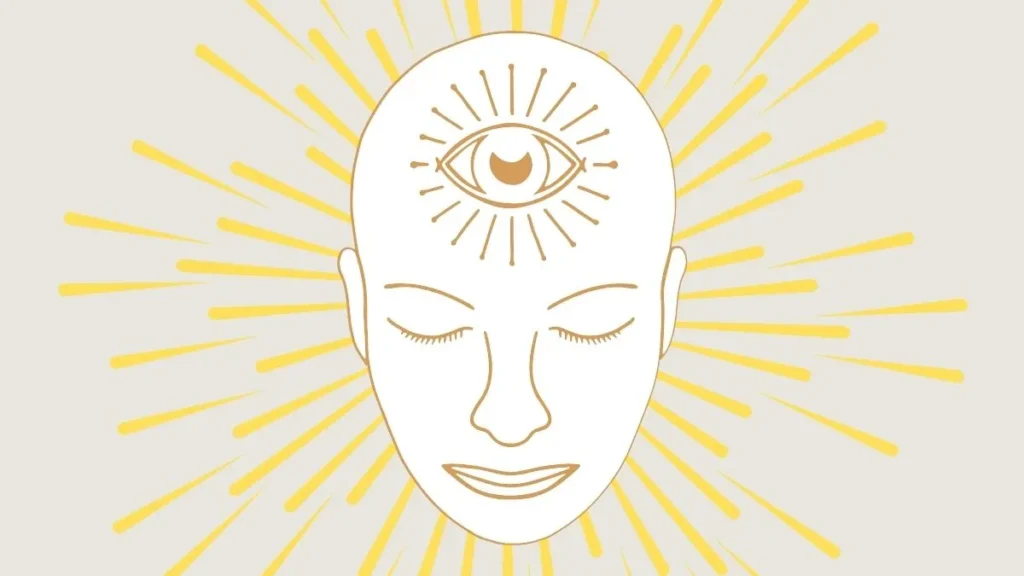
The third eye chakra is in the center of the forehead, slightly above the space between the eyebrows. This placement is often metaphorically linked to the pineal gland, a small endocrine gland in the brain that regulates circadian rhythms through melatonin production.
Common symbolic characteristics include:
- Color: Indigo or deep blue, often associated with wisdom and depth of perception
- Element: Light, symbolizing awareness and clarity
- Symbol: A two-petaled lotus representing duality and unity of knowledge
- Associated functions: Insight, imagination, reasoning, reflection, and intuition
While scientific evidence does not confirm the physical existence of chakras, the symbolic model can be useful for individuals seeking structured ways to reflect on mental clarity, emotional balance, and mindfulness.
Psychological and Cognitive Associations
In contemporary interpretations, the third eye chakra is frequently connected to cognitive processes such as:
- Critical thinking
- Self-awareness
- Emotional regulation
- Creativity
- Imagination
- Perspective-taking
These functions align with psychological constructs related to executive functioning and metacognition. From a mental wellness perspective, cultivating awareness and reflection can contribute to better decision-making and improved stress management.
Many mindfulness practices encourage individuals to observe thoughts without judgment, which parallels the symbolic role of the third eye chakra as a center of awareness.
Signs of a Balanced Third Eye Chakra
When the qualities symbolically associated with the third eye chakra are functioning effectively, individuals may experience:
- Clear thinking and mental organization
- Strong problem-solving ability
- Openness to new ideas
- Healthy imagination
- Emotional stability
- Ability to evaluate situations objectively
A balanced third eye chakra is often interpreted as the capacity to integrate logic with intuition. Individuals may demonstrate thoughtful decision-making and the ability to reflect constructively on their actions.
Signs of Imbalance
In chakra-based interpretations, imbalance in the third eye chakra is believed to manifest as either underactivity or overactivity.
Possible Indicators of Underactivity
- Difficulty concentrating
- Lack of imagination
- Indecisiveness
- Limited self-reflection
- Rigid thinking patterns
- Reduced curiosity
Possible Indicators of Overactivity
- Overthinking
- Excessive daydreaming
- Confusion between imagination and reality
- Difficulty focusing on practical matters
- Mental fatigue due to constant analysis
It is important to note that these descriptions are conceptual rather than diagnostic. Persistent cognitive or emotional challenges should be addressed with qualified healthcare professionals.
Practices Commonly Used to Support Balance
Various wellness traditions recommend techniques intended to encourage clarity, awareness, and emotional stability. While these methods are not medical treatments, they may contribute to overall mental well-being.
Meditation
Meditation is one of the most frequently recommended practices associated with the third eye chakra. Focused breathing exercises or mindfulness meditation may help individuals develop concentration and mental calmness.
A simple meditation approach involves:
- Sitting comfortably in a quiet environment
- Closing the eyes and focusing attention on breathing
- Gently directing awareness to the area between the eyebrows
- Observing thoughts without attempting to control them
Regular meditation practice has been supported by research indicating potential benefits for stress reduction and cognitive function.
Visualization Techniques
Visualization involves mentally picturing symbolic imagery, such as an indigo-colored light in the forehead region. This technique is intended to encourage mental focus and imaginative engagement.
Visualization may help individuals strengthen attention control and creative thinking, though its effectiveness varies by personal preference.
Mindfulness and Reflection
Journaling and reflective thinking exercises may help develop awareness of thought patterns and emotional responses. Structured reflection can support improved decision-making and self-understanding.
Examples include:
- Writing about daily experiences
- Evaluating personal goals
- Identifying cognitive biases
- Practicing gratitude reflection
These activities align with evidence-based psychological approaches that emphasize self-awareness.
Adequate Sleep and Cognitive Health
Because the third eye chakra is symbolically linked with perception and mental clarity, maintaining healthy sleep habits may indirectly support the qualities associated with this chakra.
Sleep plays a vital role in:
- Memory consolidation
- Emotional regulation
- Cognitive performance
- Attention span
Establishing consistent sleep patterns and reducing screen exposure before bedtime may improve mental functioning.
Exposure to Creative Activities
Creative engagement, such as drawing, writing, music, or problem-solving exercises, may stimulate imagination and flexible thinking.
Examples include:
- Sketching abstract ideas
- Writing reflective essays
- Learning new skills
- Exploring philosophical questions
Creativity encourages neural adaptability and supports cognitive resilience.
Scientific Perspective
From a scientific standpoint, chakras are considered symbolic rather than anatomical structures; however, many practices associated with chakra balancing overlap with evidence-based wellness strategies.
For example:
- Meditation has been linked with reduced stress levels
- Journaling may improve emotional processing
- Mindfulness practices can enhance attention regulation
- Adequate sleep supports brain function
Therefore, while the chakra framework is philosophical, the habits associated with it may offer practical benefits when applied responsibly.
Cultural and Historical Context
The concept of chakras originates from ancient Indian philosophical texts, particularly within yogic and Ayurvedic traditions. Over time, chakra systems have been interpreted in various ways across cultures.
Modern perspectives often integrate traditional symbolism with psychological frameworks, emphasizing personal growth, self-awareness, and balanced living.
Understanding the historical background allows readers to appreciate chakras as cultural concepts rather than purely biological structures.
Conclusion
The third eye chakra symbolizes awareness, perception, and insight. Although these qualities are not scientifically measurable, clarity, reflection, and imagination are widely recognized as important components of cognitive and emotional well-being.
Practices commonly associated with balancing the third eye chakra, including meditation, mindfulness, creative exploration, and reflective thinking, aligning with general mental wellness principles. When applied thoughtfully, these approaches may support improved focus, emotional regulation, and intellectual growth.


Explore Byadi: A Hidden Village in Yakutia’s Heartland

Background Information: Understanding Its Importance and Role

TraceLoans: The Ultimate Loan Tracking and Compliance Platform

Clochant: A Symbol of Nature and Ancestry Across Cultures

ADHD Referral: How to Get Diagnosed Faster Through the NHS

TEK-102 Baler: Compact, Air-Powered Waste Solution

Servicio Inmediato Nacional: Fast Nationwide Response

Workout Routine: The Key to Achieving Your Fitness Goals

Wepbound: Explore the Latest Technology Trends and Strategies

What Makes an Experienced Cosmetic Specialist Stand Out?

Balancing Care and Capital: How Hospitals Prioritize Major Purchases

Simple Ways to Look More Presentable Every Day

Supporting Children’s Development Through Play: A Guide for Parents and Caregivers

How Many Calories Does Yoga Burn? The Style Matters More Than the Hour

Viscosity vs. Viscosity Index: What’s the Difference?
-
 GENERAL1 year ago
Christofle – For Those Who Dream of Family Heirloom Silver
-
SPORTS1 week ago
Discover the World of Football with Streameast: Watch Your Favorite Leagues and Tournaments
-
GENERAL8 months ago
Uncovering the World of кинокрадко: The Dark Side of Film Piracy
-
HOME IMPROVEMENT1 year ago
Spacious and Stylish 300cm Round Rugs: Elegant and Modern Designs for a Chic Home Decor