HEALTH AND FITNESS
When Holistic Wellness Meets Medical Care: A Balanced Approach to Vein Health

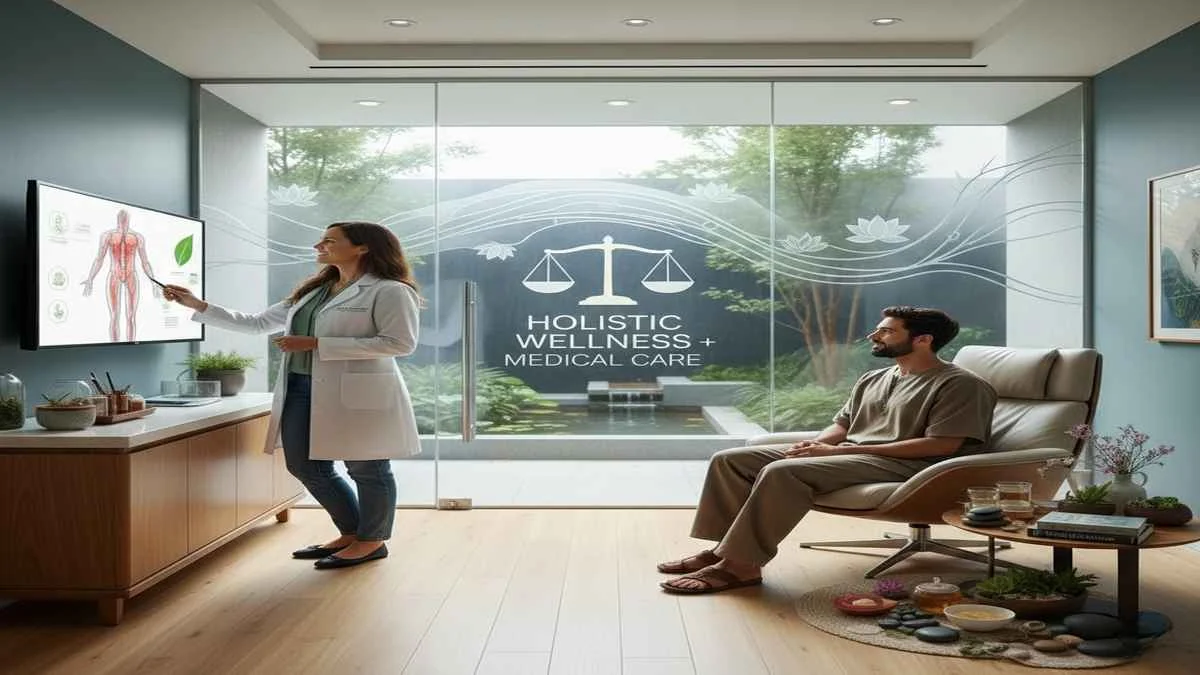
It’s a concept that holistic health is known all along: Being in motion while breathing and maintaining one’s center are inextricably related. Practices such as yoga, mindful movement and conscious life choices direct us to listen closely to physical cues rather than tuning out our body’s language. More recently that perspective has started to dovetail with medical care, especially when you consider how prevention, circulation and long-term comfort cross paths. Location at this intersection is where the concept of vein health and holistic awareness can work with clinical skill to help you sustainably support your body.
Vein problems can be misconceived and mistaken as simply cosmetic or inevitable – especially when we get older. In fact, they are an analog of circulation, motion and structural support over time. Where the healing principles of holistic wellness intersect with modern health care, good vein health can be achieved with sensitivity and insight into your body’s natural rhythms without compromising on the latest treatment alternatives.
Table of Contents
Going Beyond Skin-Deep with Vein Health
Veins are essential to the circulatory system as blood is returned from various parts of the body back to the heart, sometimes flowing against gravity, specifically in the legs. When this system is stressed, the body will usually send out small signals long before actual visible change to any veins appear. Heaviness, aching, swelling, restlessness and fatigue in the legs can be early warning signs that circulation demands attention.
On a macro level these symptoms are not nuisances to be pushed aside but rather signals to heed. They show how daily essentials like sitting all day, decreased mobility, stress and posture affect your body’s circulation. When looked at through this wider perspective of vein health, it’s obvious that there is a part both for conscious practice and expert medical counsel.
The Big Picture: Exercise and the Philosophy of Circulatory Medicine
Disciplines like yoga and mindful movement focus on flow, alignment and muscular engagement all of which have an impact on blood circulation to the brain. Light inversions, long posts and on-tempo transitions help the blood to reach legs and flow back toward the brain. The muscle pump (providing venous return) is engaged by minor contractile activity also.
Breathwork also enhances this effect by relaxing you and releasing the tension that limits blood flow. These techniques, when repeatedly performed, contribute to the preservation of movement, the elimination of rigidity and improvement in vascular functions. Holistic movement is not a substitute for medical intervention, but it establishes a solid base for circulation health and body awareness.
Where Whole Health Meets Medical Care
Gentle exercise promotes blood flow but doesn’t right structural vein problems. Vein valve incompetence and chronic venous insufficiency, among other underlying health issues, must be checked with a doctor to properly gauge them. That’s to make the case for balance hard not to oversimplify.
Wellness comes through the awareness; health care gives us clarity. And diagnostic tools like ultrasound imaging help experts determine how veins are working below the surface. This knowledge enables the person to make informed decisions instead of basing his or her beliefs on unfounded speculations and personal assumptions.
Narrowing the Divide Between Prevention and Treatment
One of the challenges in maintaining vein health stems from the delay between early symptoms and seeking medical care. For some, they put off evaluation because the discomfort comes and goes or seems tolerable. With the holistic approach, perceptions of repetitive occurrences can alert individuals to patterns in their body earlier on and give them an ‘early warning system’.
This consciousness is rounded off by medical treatment, where causes of symptoms are treated. The good news is that vein problems can now be addressed easily and safely with minimally invasive treatments, which don’t take days off your life or keep you from doing the things you need to. This prevention and intervention approach represents a more modern concept of health: integrated.
Gentle Body-Mind-Lifestyle Approach to Minimally Invasive Care
Recent innovations in vein treatment have given patients the ability to manage circulation concerns without invasive surgeries or long periods of recovery. Treatments like image-guided procedures place an emphasis on accuracy, patient comfort and speed. These practices are in good accord with a holistic ethos; they reduce trauma and assist earlier return to normal activity.
This revolution in medical care is heartening for people who believe in wellness-centric living. You are not giving up mindful practices by seeking professional evaluation. Rather, it gives room to medical intervention to maximize the benefits of movement, breath and balance in our lives.
The Place of Dedicated Vein Clinics within an Integrated Care System
Vein clinics have become the link between your average general health and professional, medical care. They are dedicated solely to vascular health and provide a customized evaluation and treatment plan specific to each patient. This focus means care isn’t just effective, it’s guided by the needs and lifestyle of every individual.
Having access to services like vein treatments in Matawan has to offer can enable people to consider local treatment options while continuing with their wellness schedules. This integration removes the emotional and practical barriers that frequently discourage people from getting help.
Lifestyle Alignment After Treatment
Medical treatment is not a destination but a journey into the future. Once treated, holistic approaches are even more effective. Exercise, stretching, hydration and breathing for mindfulness in posture are tools that help support healing and keeping results for the long term.
Yoga and light strength work can tone muscles, helping veins move blood more effectively. Conscious recovery techniques foster patience and a focus on the body as it heals. This approach to post-treatment alignment also serves as a visual cue that medical care and whole-body vitality are not mutually exclusive.
Emotional Wellbeing and Body Trust
Vein pain can also subtly contribute to your emotional state causing frustration, self-consciousness or lack of confidence in physical activity. Holistic modalities allow for a rebuilding of trust in the body by fostering presence and self-compassion. Each medical treatment provides relief from pain and returns freedom of movement.
Joy in movement and daily activity is often rediscovered when pain and fatigue decrease. This emotional turnaround drives home the fact that physical health and mental health share an intertwined relationship.
Education as Empowerment
But, when it comes to the health of your veins a holistic perspective is paramount, and not the stuff of wives’ tales. Knowing how circulation functions, what causes symptoms to happen and what is available will help a little of your tender to search for that religion you confide in making knowledgeable etc you are. Digital health tools, wellness platforms and specialized clinics all fill that need in the learning process.
Because people who feel knowledgeable are much more likely to be proactive about their health rather than doing it by the books. This is at the core of holistic philosophy and patient-centered medical care.
Bridging Eastern and Western Perspectives
Much of the holistic wellness arsenal comes from systems that consider balance, flow and prevention to be as important a way to fight illness as cutting it out is in Western medicine. The health of veins improves when the two points of view meet. “To have an awareness without action can leave problems unresolved, but also to treat without consideration of the lifestyle may limit success over time.
Adding together conscious movement, breath awareness, and medical research allows prospects for a more rounded understanding of the body. This integrated perspective honors the validity of each method.
The Future of Comprehensive Vein Healthcare
Wellness is evolving, and holistic practices are increasingly a part of standard medical care. Patients increasingly want practitioners who honor lifestyle values and evidence-based medicine.
Veins are perhaps the most comprehensive example of where this melding thrives. With early detection, simple diagnostics and minimally invasive treatment options, you can keep circulation healthy while remaining true to your whole-body lifestyle.
Summary: A Unified Path to Vein Health
Simply put, when whole-body health is aligned with medical care, vein health is no longer a matter of responding to problems but rather one of supporting the body as a whole. Mindful movement creates awareness and resilience, specialized medical care brings clarity and choice around treatment.


Pelvic Pilates Guide: Effective Reformer Exercises

Third Eye Chakra Insights: Meaning, Signs, and Benefits

28-Day Chair Yoga Challenge: A Practical Guide

4 Person Yoga Poses for Beginners

Chair Yoga for Seniors: Improve Balance, Mobility, and Flexibility

How to Pass the Civil Service Exam in 2026: What Every Applicant Should Know Before Test Day

How to Approach a Girl at the Gym Respectfully

What is Kundalini

Discover the Different Types of Yoga Breathing Techniques

Modern Trends in Sports Court Construction and Maintenance

Invisible Orthodontics: Modern Solutions for Straighter Smiles

Why EN14960 Certification Is Important for Inflatable Businesses?

Master the Fly Pose: A Step-by-Step Guide for Yoga Enthusiasts

Partner Yoga Poses: A Journey of Connection, Trust, and Balance

Unlocking the Healing Power of Tibetan Singing Bowls: A Comprehensive Guide
-
 GENERAL9 months ago
Christofle – For Those Who Dream of Family Heirloom Silver
-
SPORTS11 months ago
Discover the World of Football with Streameast: Watch Your Favorite Leagues and Tournaments
-
GENERAL3 months ago
Uncovering the World of кинокрадко: The Dark Side of Film Piracy
-
GENERAL5 months ago
ATFBooru: Anime, Gaming, and Subculture Imageboard