
HEALTH AND FITNESS
When an Ovarian Cyst Diagnosis May Need a Second Opinion

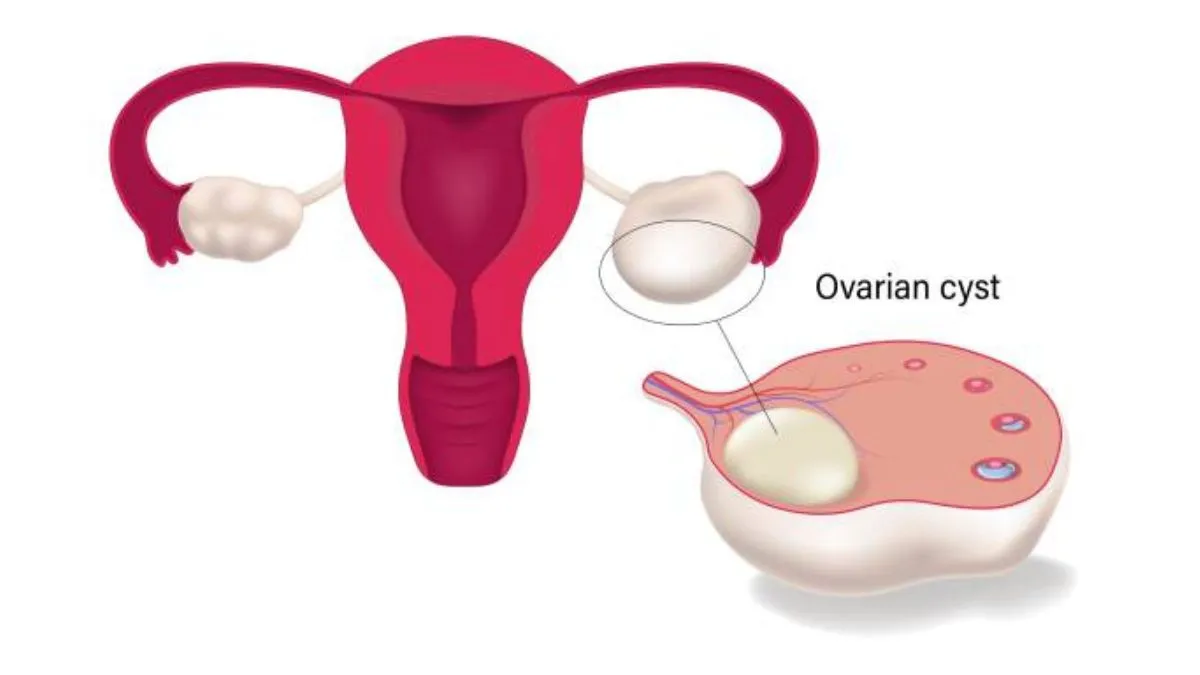
Being told that an ovarian cyst has been found can raise questions about what the finding means and whether treatment is required. Some cysts develop as part of the menstrual cycle and resolve without intervention, while others may persist, cause symptoms or have characteristics that require further assessment.
A second opinion is not necessary for every ovarian cyst. It may, however, be worth considering when the diagnosis is uncertain, scan findings require clarification, symptoms continue despite monitoring or surgery has been recommended.
Another clinical review can help a patient understand how the cyst has been classified, what factors influence its management and whether the proposed follow-up or treatment approach is appropriate for her circumstances.
Table of Contents
What Does an Ovarian Cyst Diagnosis Mean?
An ovarian cyst is a fluid-filled or partly solid structure that develops within or on an ovary. Cysts can differ in their cause, contents, size and appearance.
Functional cysts can develop as part of ovulation and may disappear within several menstrual cycles. Other types include endometriotic cysts, dermoid cysts and cystadenomas. Some ovarian masses can also have malignant characteristics, which is why the appearance of a cyst on imaging is an important part of assessment.
The word “cyst” therefore does not describe a single diagnosis or indicates that surgery will automatically be required.
The clinical significance depends on factors such as:
- Age
- Menopausal status
- Symptoms
- Cyst size
- Ultrasound appearance
- Changes between scans
- Blood test findings where relevant
- Reproductive plans
These considerations help determine whether observation, repeat imaging, further investigation or treatment should be discussed.
When Can a Second Opinion Be Useful?
A second opinion from a gynecologist may be useful when there is uncertainty about what an ovarian cyst represents, how the scan findings should be interpreted or how the condition should be managed.
Women seeking information about ovarian cysts in Singapore may encounter different recommendations depending on the cyst’s characteristics and their individual circumstances.
One doctor may recommend monitoring a cyst with repeat ultrasound, while another situation may warrant discussion of surgery or further investigation. The difference does not necessarily mean that one recommendation is incorrect. Management depends on the information available at the time of assessment.
The following situations are among those where another clinical review may be considered.
1. The Ultrasound Findings Are Difficult to Understand
Ultrasound is commonly used to characterise ovarian cysts. The scan can provide information about the cyst’s size, contents and structural characteristics.
A cyst may be described using terms relating to:
- Fluid content
- Solid areas
- Internal compartments
- Margins
- Blood flow
- Size
- Appearance of the surrounding ovary
Certain findings, such as solid components, multiple internal compartments or irregular margins, can require further assessment. These findings do not by themselves confirm cancer, but they may affect how the cyst is investigated.
A second opinion may be useful if the ultrasound report is unclear to the patient, if the recommended management is difficult to understand or if different scans appear to describe the cyst differently.
Another doctor may review the reports and determine whether repeat ultrasound or another form of imaging is clinically appropriate.
2. The Cyst Persists or Changes Between Scans
Some functional ovarian cysts resolve without treatment. Where a small cyst has no concerning ultrasound features and is not causing symptoms, monitoring may be appropriate. Singapore institutional guidance describes follow-up ultrasound as one approach for observing such cysts.
A further review may be considered when a cyst:
- Remains present over several menstrual cycles
- Increases in size
- Changes in appearance
- Develops features that require clarification
- Begins causing symptoms
Comparing the current scan with previous imaging is important because change over time can influence the management plan.
A persistent cyst does not automatically indicate a serious condition. Its type, appearance and clinical context still need to be considered together.
3. Your Symptoms Continue Despite Reassuring Scan Findings
Many ovarian cysts cause no symptoms. When symptoms occur, they can include pelvic discomfort, bloating, menstrual changes, urinary frequency or changes in bowel habits. Larger cysts can also produce pressure symptoms.
A second opinion may be considered when symptoms persist even though the initial investigation has been described as reassuring.
For example, continuing pelvic pain may require consideration of whether:
- The ovarian cyst is responsible for the pain
- Another gynaecological condition is present
- Endometriosis is contributing to symptoms
- A bowel or urinary condition needs consideration
- Further gynaecological assessment is warranted
Finding an ovarian cyst on a scan does not necessarily establish that the cyst is causing every symptom.
Another assessment may therefore focus on whether the diagnosis adequately accounts for the clinical picture.
4. Blood-Test Results Have Created Uncertainty
A CA125 blood test may sometimes be requested when there is concern about the nature of an ovarian mass.
CA125 can be raised in ovarian cancer, but an elevated result is not specific to cancer. Levels may also increase in non-cancerous conditions such as endometriosis and fibroids.
The result should therefore be interpreted alongside:
- Age
- Menopausal status
- Symptoms
- Ultrasound findings
- Medical history
- Other investigations
A raised CA125 result alone does not establish a diagnosis of ovarian cancer. Likewise, assessment of an ovarian mass should not depend on one blood result alone.
Where blood results and imaging findings appear difficult to reconcile, another clinical review may help clarify what further assessment is appropriate.
5. Surgery Has Been Recommended
A recommendation for surgery is one of the situations in which patients may wish to understand the diagnosis and treatment rationale in detail.
Surgery can be considered when an ovarian cyst is symptomatic or has abnormal or concerning features. The procedure selected depends on the cyst, age, clinical findings and reproductive considerations.
A second opinion before surgery may help clarify questions such as:
- Why is surgery being recommended?
- Can the cyst continue to be monitored?
- What features make surgery appropriate?
- Is laparoscopic surgery suitable?
- Will the cyst alone be removed?
- Could removal of the ovary be required?
- How might the operation affect fertility?
- What happens if the cyst is not removed now?
For someone searching for an ovarian cyst doctor in Singapore, these questions can provide a useful framework for discussing a proposed operation.
Understanding Cystectomy and Oophorectomy
The type of operation matters when discussing ovarian cyst surgery.
Cystectomy
Cystectomy removes the ovarian cyst while retaining ovarian tissue.
This approach may be used in premenopausal women where preserving ovarian tissue is clinically appropriate, particularly when reproductive and hormonal function are relevant considerations.
Oophorectomy
Oophorectomy involves removing an ovary.
This may be considered according to the cyst’s characteristics, the condition of the ovary, age and clinical circumstances.
If removal of an ovary has been proposed, women who have concerns about fertility or hormonal function may want to discuss why cystectomy is or is not suitable in their individual case.
Another opinion may be particularly useful when the proposed operation could have implications for future reproductive plans.
6. Future Fertility Is Important to You
Fertility can influence decisions about ovarian cyst management.
Certain ovarian cysts are associated with reproductive conditions. Endometriotic cysts, for example, occur in women with endometriosis, which can itself be associated with subfertility.
Surgical decisions can also involve the amount of ovarian tissue that can be retained.
A woman who plans to conceive may therefore want to understand:
- What type of cyst is suspected
- Whether monitoring is reasonable
- Whether surgery is necessary
- Whether cystectomy is possible
- Whether both ovaries are affected
- Whether fertility assessment should occur before treatment
The management plan may differ according to age, previous ovarian surgery, reproductive history and the suspected type of cyst.
A second opinion can provide another opportunity to consider these issues before a treatment decision is made.
7. The Cyst Was Found After Menopause
Menopausal status is an important part of ovarian cyst assessment.
Ovarian cysts can occur after menopause, but their evaluation may differ from cysts in women who are still menstruating because age and menopausal status influence the assessment of malignancy risk.
Assessment may include consideration of:
- Ultrasound characteristics
- Cyst size
- Symptoms
- CA125 results where appropriate
- Personal medical history
- Relevant family history
A second opinion may be useful when a postmenopausal ovarian cyst has been identified, and the patient wants clarification about monitoring, additional investigation or surgery.
A postmenopausal cyst does not automatically mean cancer is present, but appropriate assessment is important.
8. Diagnosis Has Changed Between Consultations
Sometimes, different terms may appear across imaging reports or consultations.
One report might describe a simple cyst, while another later scan identifies a complex cyst or suggests a specific type such as an endometrioma or dermoid cyst.
Differences can arise because:
- The cyst has changed over time
- A later scan provides additional information
- Different imaging techniques have been used
- The interpreting clinicians are assessing different features
If the diagnosis changes and the reason is unclear, another review can help explain whether the new description represents an actual change in the cyst or a difference in interpretation.
Bringing previous scan reports can make comparison easier.
9. There Is Concern About Possible Malignancy
Many ovarian cysts are benign. However, some imaging and clinical findings may raise concern that an ovarian mass requires further investigation.
Possible considerations include:
- Solid components within a mass
- Irregular structural features
- Complex internal characteristics
- Changes seen on serial imaging
- Symptoms that warrant further assessment
- Menopausal status
- Relevant blood-test results
Where malignancy is suspected, additional imaging or specialist assessment may be required. CT or MRI can be used in selected circumstances to provide further information.
A second opinion in this setting can help clarify the assessment pathway and whether referral to a clinician involved in gynaecological cancer care should be considered.
What Happens During a Second-Opinion Consultation?
A second opinion does not necessarily mean starting the diagnostic process again.
Where available, another gynaecologist may review:
- Ultrasound reports
- Previous imaging
- Changes in cyst size
- Blood-test results
- Menstrual history
- Symptoms
- Previous ovarian cysts
- Previous surgery
- Pregnancy history
- Fertility plans
- Menopausal status
- Relevant personal and family medical history
The doctor may then determine whether the available information is sufficient.
Repeating ultrasound or additional investigations may be recommended when the existing information does not adequately characterise the cyst.
Singapore’s specialist gynaecological services also recognise second-opinion assessment in ovarian cyst care, including review of whether minimally invasive surgery may be feasible.
What Records Should You Bring?
Having previous information available can make a second consultation focused on comparing findings rather than reconstructing medical history from memory.
Useful records may include:
- Ultrasound reports
- Copies of previous imaging were available
- CT or MRI reports
- CA125 or other relevant blood results
- Previous operation reports
- Histology reports from earlier ovarian surgery
- A list of current medicines
- A record of symptoms and menstrual changes
If several scans have been performed, bringing results from different dates can help show whether the cyst has remained stable or changed.
Questions to Ask During the Second Opinion
Patients may find it helpful to prepare specific questions before the consultation.
Examples include:
- What type of ovarian cyst do you think this is?
- Which ultrasound findings support that assessment?
- Has the cyst changed since my previous scan?
- Does it require monitoring?
- When should another scan be performed?
- Why has surgery been recommended?
- Is cystectomy an option?
- Could the ovary need to be removed?
- Are my fertility plans relevant?
- Does my CA125 result change the management plan?
- Do I require another form of imaging?
- What symptoms should an earlier review?
Clear questions can help focus the consultation on the areas where uncertainty remains.
When Is Urgent Medical Care Needed?
A second opinion is intended for situations where there is time to review a diagnosis or treatment recommendation.
It should not delay emergency assessments.
An ovarian cyst can occasionally twist or rupture. Larger cysts that undergo torsion or rupture can cause sudden abdominal pain, sometimes accompanied by nausea and vomiting.
Seek urgent medical assessments for symptoms such as:
- Sudden severe abdominal or pelvic pain
- Persistent vomiting
- Fainting or marked dizziness
- Uncontrolled bleeding
- Rapid deterioration in general condition
Singapore’s Ministry of Health identifies sudden or severe pain, uncontrolled bleeding and continuous vomiting among signs of a medical emergency.
These symptoms should not wait for a routine second-opinion appointment.
An ovarian cyst diagnosis does not automatically require surgery or a second opinion. Many cysts can be monitored, and some resolve without treatment.
Another medical review may be worth considering when ultrasound findings are uncertain, a cyst persists or changes, symptoms continue, blood-test results require clarification, surgery has been proposed or fertility and menopausal status affect the decision.
The aim of a second opinion is to clarify the diagnosis and understand the reasoning behind the management plan. Reviewing previous scans, test results and individual health considerations with a gynaecologist can help determine whether monitoring, additional investigation or treatment is appropriate.
Frequently Asked Questions
Does every ovarian cyst need a second opinion?
No. Many ovarian cysts can be monitored or resolved without intervention. Another opinion may be considered when the diagnosis, scan findings or recommended treatment remain unclear.
Can two doctors interpret an ovarian cyst differently?
Differences can occur because the cyst may have changed between scans or because different imaging findings are being considered. Reviewing the previous and current results together can help clarify the reason.
Should I get a second opinion before ovarian cyst surgery?
It may be considered if you want further clarification about why surgery is required, the proposed procedure, whether the ovary can be retained or how treatment may affect fertility.
Can an ovarian cyst be monitored instead of removed?
Yes, in selected cases. Small cysts that do not cause symptoms and do not have suspicious ultrasound features may be managed with follow-up imaging.
Can ovarian cysts cause fertility problems?
Some types of ovarian cysts, including cysts associated with endometriosis, may occur alongside conditions that affect fertility. Fertility implications depend on the cyst type and individual circumstances.
This article is for general information only and should not replace medical advice from a qualified healthcare professional.


Malaysia Law Firms and Letters of Demand: What You Need to Know

When an Ovarian Cyst Diagnosis May Need a Second Opinion

How to Strengthen Ankles: Find the Weak Link, Then Train It

Bird of Paradise Yoga: How to Master the Pose Safely

What is Acroyoga? A Beginner’s Guide to Yoga, Acrobatics, and Partner Lifts

Happy Baby Pose: Benefits, Steps, and Tips for Beginners

What Is Standard Exterior Door Size? A Complete Homeowner’s Guide

Detoxify Your Body and Mind with Dragon Pose: A Step-by-Step Guide

Top 7 Dental Implant Providers in Maple Grove and Brooklyn Park, MN

Faibloh: AI-IoT-Blockchain Framework for Sustainable Growth

Sleep Apnea: The Silent Condition Disrupting Your Rest and Health

Book32: Best Online Platform for Self-Publishing and Book Lovers

How Respite Care Supports Independence & Wellbeing

7 Science-Backed Benefits of Pilates for Busy Professionals in Vancouver

Managed Vision Care: A Smarter Solution for Workplace Eyecare
-
 GENERAL1 year ago
Christofle – For Those Who Dream of Family Heirloom Silver
-
SPORTS3 weeks ago
Discover the World of Football with Streameast: Watch Your Favorite Leagues and Tournaments
-
HOME IMPROVEMENT1 year ago
Spacious and Stylish 300cm Round Rugs: Elegant and Modern Designs for a Chic Home Decor
-
GENERAL8 months ago
Uncovering the World of кинокрадко: The Dark Side of Film Piracy