
HOME IMPROVEMENT
Say Goodbye to Unsightly Concrete Cracks for Good

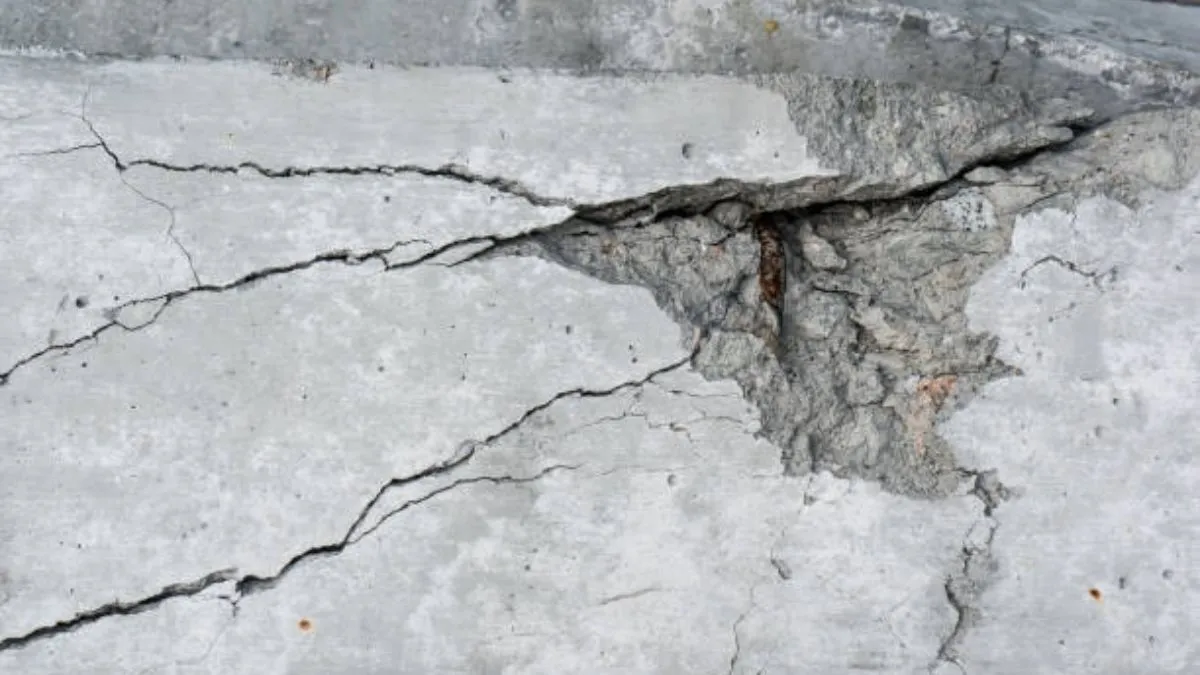
Cracked concrete has a way of sneaking up on you. One day your driveway is smooth and solid, and the next, a thin crack is working its way across the surface, growing a little wider every time the weather shifts. It’s a common problem, but it’s also one that’s completely manageable when you know who to call and what to expect.
Concrete is tough, but it isn’t invincible. Temperature swings, shifting soil, heavy loads, and simple age all take their toll over time. The good news is that cracked concrete rarely spells disaster. In most cases, it’s a sign that your surface needs some expert attention, not a full replacement. Understanding what causes these cracks, and how professionals go about repairing them, can save you money, stress, and a whole lot of guesswork.
This post walks through why concrete cracks in the first place, what separates a quick cosmetic fix from a lasting repair, and why handing the job to trained professionals is almost always the smarter move.
Why Does Concrete Crack in the First Place?
Concrete is a rigid material, which makes it strong but also somewhat unforgiving when conditions change. A few of the most common culprits behind cracking include:
- Temperature fluctuations. Concrete expands in the heat and contracts in the cold. Over dozens of seasonal cycles, this constant movement puts stress on the surface.
- Soil movement. If the ground beneath a slab shifts, settles, or erodes, the concrete above it loses even support and can crack under its own weight.
- Heavy loads. Driveways and garage floors that regularly bear the weight of vehicles or equipment are more prone to stress fractures over time.
- Improper installation. Concrete that wasn’t mixed, poured, or cured correctly is far more likely to crack early in its life.
- Natural aging. Even flawlessly installed concrete will develop hairline cracks eventually. It’s simply part of the material’s life cycle.
Recognizing the cause matters because it shapes the right repair approach. A hairline crack caused by normal aging might only need a simple seal, while a wide crack caused by soil settlement could point to a deeper structural issue that needs professional evaluation.
The Difference Between a Quick Fix and a Lasting Repair
It’s tempting to grab a tube of caulk from the hardware store and patch a crack yourself over the weekend. For very minor surface cracks, that might hold up for a little while. But store-bought fillers are designed for cosmetic touch-ups, not long-term durability. They often shrink, discolor, or pop out within a year or two, especially in driveways and patios that face constant weather exposure and foot traffic.
A professional repair looks completely different. Before any product touches the crack, a skilled technician will assess the surrounding concrete, identify the root cause, and clean the area thoroughly to remove debris, dust, and loose material. This step alone makes a significant difference in how well the repair bonds and lasts.
From there, professionals use industrial-grade materials, such as polyurethane or epoxy injections, that are formulated to flex with the concrete rather than fight against it. These products penetrate deep into the crack, bonding the surface back together instead of simply sitting on top of it. The result is a repair that holds up against temperature changes, moisture, and everyday wear, rather than one that needs to be redone every season.
What to Expect From a Professional Concrete Repair Service
Hiring a professional team to handle your concrete cracks takes the guesswork, and the mess, out of the process. Here’s a general idea of what the experience typically looks like:
1. Inspection and Assessment
A technician examines the crack’s width, depth, and location, along with the surrounding concrete and soil conditions. This step determines whether the issue is purely cosmetic or a sign of something more structural happening beneath the surface.
2. Cleaning and Preparation
The crack is cleared of dirt, debris, and any loose concrete fragments. Proper preparation is one of the most important steps in the entire process, since even the best repair material won’t bond well to a dirty surface.
3. Repair Application
Depending on the type and severity of the crack, technicians apply the appropriate repair material. Flexible sealants work well for smaller, non-structural cracks, while epoxy or polyurethane injections are typically used for more significant damage that needs structural reinforcement.
4. Finishing and Leveling
Once the repair material has cured, the surface is smoothed and leveled so it blends in with the surrounding concrete, restoring both function and appearance.
5. Preventive Recommendations
A good concrete repair team doesn’t just fix the problem in front of them. They’ll often offer guidance on how to prevent future cracking, such as sealing the concrete periodically or managing drainage around the slab.
Why Leave It to the Professionals?
Concrete repair might look simple from the outside, but getting a lasting result requires the right materials, the right techniques, and a trained eye for diagnosing the underlying cause. How to fix concrete cracks correctly comes down to matching the repair method to the specific type of damage, something that takes years of hands-on experience to master.
Professional teams also bring equipment that most homeowners simply don’t have access to, like injection systems for deep structural cracks and moisture meters to check for underlying water damage. Combine that with warrantied workmanship, and it’s easy to see why so many property owners choose to leave concrete repair to the experts rather than risk a patch job that won’t hold.
There’s also real value in working with a team that treats every project with care, from the smallest driveway hairline crack to a larger structural repair in a commercial parking lot. The goal isn’t just to patch the surface. It’s to restore the strength, safety, and appearance of your concrete so you can stop worrying about it.
And while a team is already on-site assessing your property, it’s worth tapping into their broader expertise. Brighten up your outdoor living space with stylish, energy-efficient pendant lights that complement your newly repaired concrete and add a polished finishing touch to any patio or walkway.
Keep Your Concrete Looking Its Best
Cracked concrete doesn’t have to be a permanent eyesore or a source of ongoing frustration. With the right diagnosis and the right repair approach, your driveway, patio, or walkway can look and function like new again for years to come.
If you’ve noticed cracks forming around your property, don’t wait for them to grow. Reach out to a trusted concrete repair team for an inspection, and get a clear plan for restoring your surfaces properly the first time.


Say Goodbye to Unsightly Concrete Cracks for Good

Everyday Strategies for Better Mental Wellness

Lash Line Enhancement in Raleigh, Answered: 12 Honest Questions Before You Book

How Physical Movement Supports Musculoskeletal Health Through Every Stage of Recovery

Why Hospital-Employed Physician Practices Keep Losing Money

Wearable Air Purifiers: A Closer Look at the Personal Clean-Air Trend

Preparing for Your Child’s First Dental Visit: A Practical Guide for Parents

What to Look for in a Pilates Studio or Instructor

Why Recurrent Cleaning Services Keep Homes Spotless All Year

AI PPT Maker for Teachers: Turn Lesson Notes into Slides That Leave Room to Teach

Chief Technical Examiner: Roles, Rules and Responsibilities

When Should You Visit an Orthopaedic Clinic for a Sports Injury?

How to Choose an E-Bike for a More Active Everyday Lifestyle

What is Chin Mudra? Discover Its Meaning and Health Benefits

Classroom20x: Future of Hybrid Learning Explained
-
 GENERAL1 year ago
Christofle – For Those Who Dream of Family Heirloom Silver
-
GENERAL10 months ago
Uncovering the World of кинокрадко: The Dark Side of Film Piracy
-
SPORTS3 months ago
Discover the World of Football with Streameast: Watch Your Favorite Leagues and Tournaments
-
HOME IMPROVEMENT2 years ago
Spacious and Stylish 300cm Round Rugs: Elegant and Modern Designs for a Chic Home Decor