
HEALTH AND FITNESS
How to Prepare for a Gynaecology Appointment

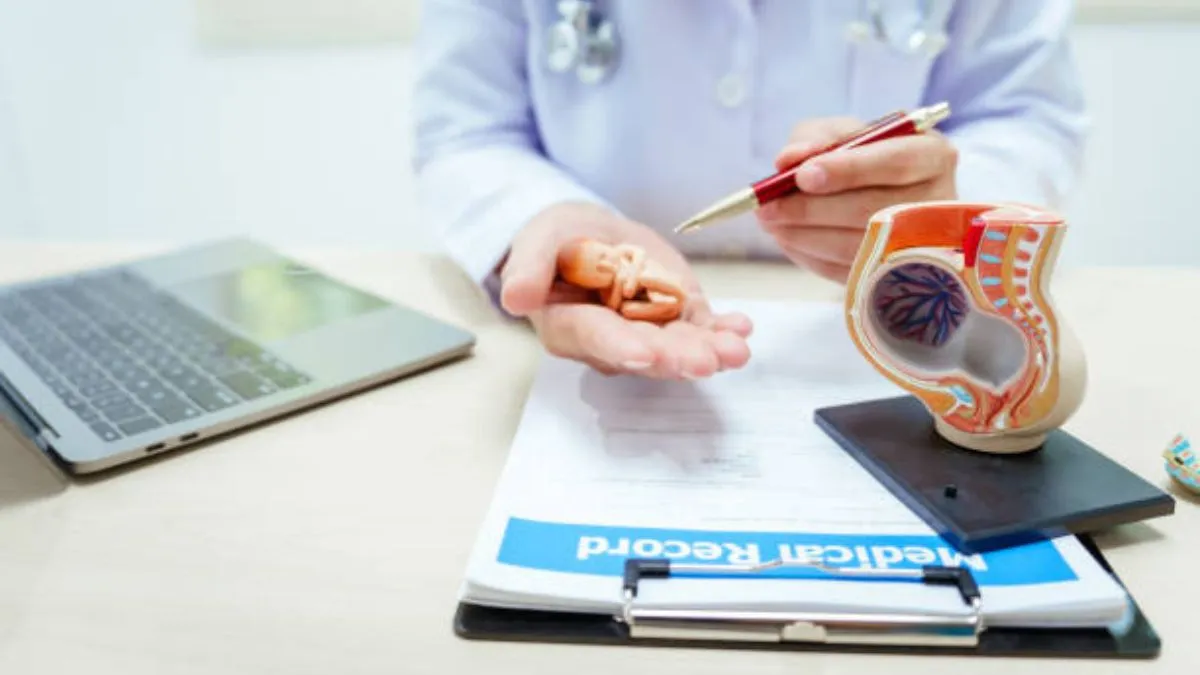
A gynaecology appointment may involve discussing menstrual health, contraception, fertility, pregnancy, menopause or symptoms affecting intimate areas. Preparing some information beforehand can make it easier to explain what you have been experiencing and help the doctor understand which examinations or investigations may be appropriate.
You do not need to arrive knowing what is causing your symptoms. A useful starting point is simply to organise the information you already have: when your symptoms began, your menstrual history, medications, previous pregnancies, relevant test results and the questions you want answered.
Table of Contents
1. Be Clear About the Main Reason for Your Visit
Before the appointment, think about the main concern you want to discuss.
For example, you may be attending because of:
- heavy or painful periods
- irregular or missed periods
- bleeding between periods
- pelvic or lower abdominal pain
- unusual vaginal discharge or irritation
- pain during sexual intercourse
- fertility concerns
- contraception
- pregnancy planning
- menopause symptoms
- cervical screening
- follow-up of a previous test or scan
If you have several concerns, write them down and identify which one is most important to you. Raising your main concern early in the consultation gives the doctor a clearer starting point.
You do not need to use medical terminology. Describing what has changed and how it affects you is usually more useful than trying to name the condition yourself.
2. Prepare Your Menstrual History
Your menstrual history can provide important information during many gynaecology consultations, even if period problems are not the main reason for your visit.
Before the appointment, try to recall:
- the first day of your most recent period
- how long your periods usually last
- your usual cycle length
- whether your cycles are generally regular
- whether your flow has recently become heavier or lighter
- whether you experience bleeding between periods
- whether you experience bleeding after sexual intercourse
- how much period pain you experience
- whether your menstrual pattern has recently changed
If you already track your cycle using an app, calendar or diary, you can bring that information with you.
Do not worry if you cannot remember every date exactly. Give the most accurate information you can rather than estimating details you are uncertain about.
3. Keep a Short Record of Your Symptoms
Symptoms can sometimes be difficult to describe from memory, particularly if they appear only at certain times of the month.
If you are preparing to see a female gynaecologist in Singapore, keeping a short symptom record beforehand can give useful context during the consultation.
For each symptom, consider noting:
- When did it start?
- How often does it happen?
- How long does it last?
- Where do you feel it?
- How severe is it?
- Does it occur at a particular stage of your menstrual cycle?
- Does anything make it better or worse?
- Is it associated with bleeding, discharge, fever or other changes?
- Does it affect work, sleep, exercise or sexual activity?
For example, instead of simply recording “pelvic pain”, it may be more useful to note that the pain occurs during the first two days of each period, lasts several hours and has become more noticeable over the past six months.
This does not mean you need to keep an extensive medical diary. A few clear notes can be enough to help you explain the pattern.
4. Make a List of Your Medications and Supplements
Bring an up-to-date list of anything you currently take.
Include:
- prescription medicines
- over-the-counter medicines
- contraceptive pills or other hormonal medication
- vitamins
- dietary supplements
- herbal or traditional medicines
Where possible, include the medication name, dose and how often you take it.
This information can matter because medications may influence menstrual patterns, pregnancy planning, contraceptive choices or the suitability of certain treatments.
Tell your doctor about any known medication allergies as well.
Do not stop a prescribed medication before the appointment unless the healthcare professional responsible for your treatment has advised you to do so. If you are unsure whether a medication is relevant to your gynaecological concern, include it on the list and let the doctor decide.
5. Note Your Pregnancy and Reproductive History
Your doctor may ask about previous pregnancies because this information can be relevant to current reproductive or gynaecological care.
Depending on the reason for your consultation, it may be useful to note:
- previous pregnancies
- previous births
- caesarean sections or other delivery procedures
- miscarriages
- ectopic pregnancies
- pregnancy complications
- fertility treatment
- previous difficulty conceiving
You may also be asked whether there is a possibility that you are currently pregnant or whether you plan to become pregnant.
This can influence decisions about medications, investigations and treatment.
If you are attending specifically for fertility or pregnancy planning, it may also be helpful to know how long you have been trying to conceive and whether you have undergone fertility investigations or treatment previously.
6. Gather Previous Scans, Tests and Medical Records
If you have previously been assessed for the same or a related concern, bring relevant medical records where available.
These may include:
- pelvic ultrasound reports
- MRI or CT reports
- previous Pap or HPV test results
- blood-test results
- fertility investigations
- pathology or biopsy reports
- previous operation records
- discharge summaries
- records of previous gynaecological treatment
If you are consulting a female gynaecologist for a second opinion or ongoing condition, previous results can provide useful context and show what investigations have already been carried out.
You do not necessarily need to bring every medical record you have ever received. Prioritise information related to your present concern.
If the records are available electronically, check whether you can access them before the appointment rather than trying to locate them during the consultation.
7. Review Your Personal and Family Medical History
Your broader medical history can sometimes affect gynaecological assessment and treatment decisions.
Be prepared to mention relevant conditions such as:
- diabetes
- high blood pressure
- blood-clotting disorders
- thyroid conditions
- migraine
- liver or kidney conditions
- previous cancers
- previous operations
Your doctor may also ask about family history.
Depending on your concern, relevant family history can include certain cancers, reproductive conditions or other inherited medical problems affecting close relatives.
You do not need to investigate your entire family medical history before attending. If you already know that a parent, sibling or other close relative has had a significant condition, mention it during the consultation.
If you are unsure of the exact diagnosis, say so rather than guessing.
8. Prepare the Questions You Want to Ask
It is easy to forget questions once a consultation begins, particularly when several topics are being discussed.
Writing them down beforehand can help.
Questions may include:
- What could be causing my symptoms?
- Do I need any tests or scans?
- Why is a particular investigation being recommended?
- Are there other possible causes that need to be considered?
- Do I need treatment now, or can the condition be monitored?
- What treatment options may be appropriate?
- What are the possible risks or side effects of the proposed treatment?
- Are there alternative management options?
- Could my medication or contraception be contributing to my symptoms?
- Could this condition affect fertility or pregnancy?
- When should I return for follow-up?
- What symptoms should prompt me to seek medical attention sooner?
If you are attending for preventive care rather than a symptom, you might also ask which health screenings are relevant to your age and medical history.
Put the questions that matter most to you at the top of the list in case there is not enough time to cover every topic during one appointment.
9. Check Whether a Specific Test Has Been Planned
General preparation for a gynaecology consultation is different from preparation for a specific test.
If the clinic has told you that cervical screening, imaging or another procedure is planned, follow the instructions provided for that particular test.
For example, current cervical-screening guidance in Singapore advises scheduling a Pap or HPV screening appointment approximately two weeks after the start of the menstrual period. Sexual intercourse, spermicides, vaginal creams, lubricants, vaginal medications and tampons should also be avoided for at least 48 hours beforehand.
These instructions apply specifically when cervical screening is being performed. They are not general requirements for every gynaecology appointment.
If you are unsure whether a test is planned or whether you need to prepare in a particular way, check with the clinic before attending.
10. Can You Attend While You Are Having Your Period?
Having your period does not automatically mean that every gynaecology consultation needs to be postponed.
If the visit is mainly for discussion, symptom assessment or follow-up, you may still be able to attend.
However, menstruation can affect the timing of certain tests. If cervical screening or another specific examination has been scheduled, contact the clinic if your period coincides with the appointment and ask whether it should be rearranged.
Do not cancel an appointment for an important or concerning symptom without first checking with the clinic.
11. What Should You Bring on the Day?
A simple appointment checklist can reduce the chance of forgetting useful information.
Consider bringing:
- identification and relevant appointment documents
- your menstrual or cycle record
- notes describing your symptoms
- your medication and supplement list
- relevant previous scans and test results
- previous treatment records
- information about pregnancies or fertility treatment, where relevant
- your list of questions
- any referral documents requested by the clinic
If another doctor has referred you, bring the referral letter or relevant information if it has been provided to you.
You may not need every item on this list for every consultation. Bring what is relevant to the reason for your appointment.
12. Be Open About Sensitive Concerns
Some topics can feel difficult to discuss, particularly sexual health, vaginal symptoms, contraception, fertility or pain during intercourse.
These details may nevertheless be relevant to understanding your symptoms.
If you feel embarrassed or nervous, you can say so at the beginning of the appointment. You may also ask why a particular question is relevant if you are unsure.
If an intimate examination is recommended, you can ask:
- why it is needed
- what it will involve
- what the doctor will be assessing
- whether any discomfort is expected
- whether another investigation may also be needed
Tell the doctor if you experience pain or significant discomfort during an examination.
Choosing a doctor with whom you feel able to communicate openly can be important. Some women have a preference for a woman doctor, while others do not.
13. What If You Forget Something?
You do not need to arrive with a perfectly organised medical file.
A consultation is a conversation, and your doctor can ask follow-up questions if additional information is needed.
If you cannot remember the name of a medication, date of a previous procedure or exact result of an old investigation, avoid guessing. Let the doctor know that you are unsure and, where necessary, provide the information later.
The aim of preparing is to make useful information easier to access, not to place the responsibility for diagnosing the problem on you.
14. A Simple Preparation Checklist
Before leaving for your appointment, check whether you can answer the following:
- What is the main reason I am attending?
- When did my symptoms begin?
- Have the symptoms changed over time?
- When did my last period start?
- Are my periods usually regular?
- What medications and supplements am I taking?
- Have I previously been pregnant?
- Have I had any relevant scans or tests?
- Is there relevant medical history in my family?
- What are the main questions I want answered?
- Has the clinic given me instructions for a particular test?
If you can answer most of these, you are likely to have much of the information needed to begin the consultation.
Preparing for a gynaecology appointment does not require you to understand what is causing your symptoms beforehand. The most useful preparation is gathering accurate information that can help your doctor understand your health and concerns.
Recording your menstrual history, tracking symptoms, listing medications, noting previous pregnancies and bringing relevant scans or test results can provide valuable context. Reviewing your family history and preparing questions can also help you make better use of the consultation.
If a particular examination or screening test has been scheduled, check whether additional preparation is required before your appointment. Most importantly, provide the information you know, be open about concerns that matter to you and ask questions when something is unclear.
Frequently Asked Questions
Do I need to prepare for a gynaecology appointment?
Not every appointment requires special preparation. However, having information about your menstrual cycle, symptoms, medications, medical history and previous investigations can help provide useful context during the consultation.
Should I bring previous ultrasound or test results?
Yes, if they are relevant to the concern being assessed. Previous ultrasound reports, cervical screening results, fertility investigations, blood tests or treatment records can help show what has already been evaluated.
Should I stop taking medication before a gynaecology appointment?
Do not stop prescribed medication solely because you are attending a gynaecology appointment unless a healthcare professional has specifically instructed you to do so. Instead, bring an accurate medication list and discuss any concerns with your doctor.
Do I need to remember the exact date of my last period?
The first day of your most recent period is useful information in many gynaecology consultations. If you do not remember the exact date, provide the most accurate information you can rather than guessing.
Can I bring questions written on my phone?
Yes. Keeping questions in your phone, notebook or another convenient format can make it easier to remember what you want to discuss.
What if I am nervous about an intimate examination?
Tell your doctor if you feel anxious. If an examination is recommended, you can ask why it is needed, what it involves and what the doctor will be assessing before it begins.


Butterfly Position: How to Do Baddha Konasana Safely

Lotus Position (Padmasana): How to Do It Safely and Avoid Knee Pain

How to Prepare for a Gynaecology Appointment

RPDJAFUD: The Future of AI-Driven Cybersecurity and Automation

News JotechGeeks: Leading Source for Tech Updates

How to Meditate Daily Without Trying to “Empty Your Mind”

Eporer: Modern Data Visualization & Analytics Platform

Understanding Piso WiFi Pause Time: A Practical Guide

Tsunaihaiya: Identity and Creativity in Native Culture

Understanding Sinkom: A Conceptual Framework for Systems

Feeling Like a Fraud? A Deep Dive into Impostor Syndrome

Simple Recovery Habits That Help After an Intense Workout

Tikcotech: Empowering the Digital Generation with Insightful Tech Guidance

Pxless: A Modern Approach to Responsive Web Design

VIPBox – Free HD Sports Streams for Every Fan
-
 GENERAL1 year ago
Christofle – For Those Who Dream of Family Heirloom Silver
-
SPORTS1 month ago
Discover the World of Football with Streameast: Watch Your Favorite Leagues and Tournaments
-
HOME IMPROVEMENT1 year ago
Spacious and Stylish 300cm Round Rugs: Elegant and Modern Designs for a Chic Home Decor
-
GENERAL8 months ago
Uncovering the World of кинокрадко: The Dark Side of Film Piracy