
HEALTH AND FITNESS
5 Differences Between Personal Care and Assisted Living for Older Adults

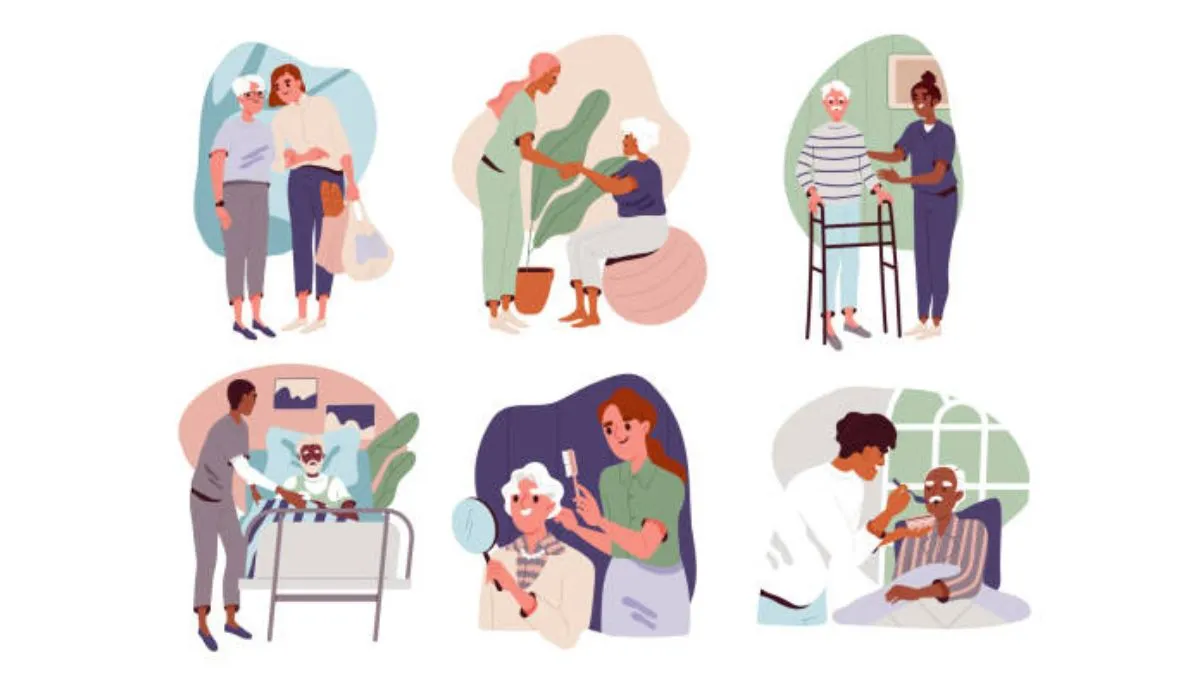
Families researching senior living options often come across the terms Personal Care and Assisted Living used somewhat interchangeably, which can make comparing options confusing. While these two levels of care share some similarities, they are typically designed for different needs and offer different degrees of support. Understanding the distinctions can help families and their loved ones choose a setting that matches current needs while still allowing room for changes down the road.
Table of Contents
Level of Daily Support Provided
One of the more significant differences between these two options lies in the amount of daily support typically included. Personal Care communities generally serve residents who need help with a limited number of daily tasks, such as bathing, dressing, or medication reminders, while still managing most of their routine independently. Assisted Living communities often support residents with a broader range of daily needs, including more consistent help with mobility, personal care tasks, and coordination of health-related needs. Neither option involves constant supervision, but Assisted Living generally provides a higher level of day-to-day support for residents who need more consistent assistance.
Staffing Structure and Availability
Staffing levels often differ between these two settings, reflecting the different needs of the residents they typically serve. Personal Care communities usually have team members available to assist with scheduled tasks and respond to requests throughout the day. Assisted Living communities often have a larger care team on-site, given the higher volume of daily support many residents require. This does not mean one-on-one supervision in either setting, but rather a team structured to meet the general support needs of the resident population. Families should ask specific questions about staffing ratios and availability during a community tour, since these details vary between communities.
Living Arrangements and Personal Space
Both Personal Care and Assisted Living communities typically prioritize resident privacy, though the specific arrangements can differ. Personal Care apartments often resemble a more independent living arrangement, with residents managing much of their own space and daily schedule. Assisted Living apartments are also private, but the surrounding support structure, such as more frequent team member check-ins or additional safety features, may be more built into daily routines.
Families exploring Personal Care in Jonesboro, GA may find that communities offering both Personal Care and Assisted Living allow residents to transition between levels of support without changing communities, which can ease the process if needs increase over time. Understanding how Assisted Living, Memory Care, Personal Care, and Independent Living differ within the same community can make future planning more straightforward.
Cost Considerations
Cost structures often reflect the level of support provided, with Assisted Living typically involving a higher cost than Personal Care due to the more extensive staffing and services included. However, pricing structures vary widely between communities and regions, so it is worth requesting a detailed breakdown of what is included in each option’s cost. Some communities include most services in a single rate, while others charge separately for additional support as needs increase. Comparing these cost structures directly, rather than relying on general price ranges, gives families a clearer picture of what to expect financially as care needs change over time.
Who Each Option Tends to Serve Best
Personal Care tends to suit residents who are largely independent but want the reassurance of some daily support and the social benefits of community living. Assisted Living tends to suit residents who need more consistent help with daily tasks or have health considerations that require closer coordination. Neither option is inherently better than the other, as the right choice depends entirely on an individual’s current needs and preferences. Families should approach this decision by focusing on what kind of support would genuinely improve their loved one’s daily life, rather than assuming one option is a more advanced or serious step than the other.
Choosing between Personal Care and Assisted Living comes down to understanding a loved one’s specific needs and preferences rather than following a general rule. Both options are built to support residents with dignity and choice, simply at different levels of daily assistance. Taking time to compare staffing, living arrangements, and cost across communities allows families to make a confident, well-informed decision that fits their loved one’s current life and future needs.


Goddess Pose: How to Do Utkata Konasana Correctly

Early Signs of Retinal Disease: Why Early Diagnosis Can Help Protect Your Vision

5 Differences Between Personal Care and Assisted Living for Older Adults

How to Spot Complications After Breast Reconstruction Surgery

Yoni Mudra: Benefits, Steps, Meaning & Safety Guide

Bitcoin Mining Meets the AI Infrastructure Boom: How SHRMiner Brings Cloud Computing Power to Crypto Users

How to Decide Which Rooms Need Deep Cleaning First

Ardha Halasana (Half Plough Pose): Steps, Benefits & Safety

Where to Actually Practice Yoga in Bali: Studios Worth Crossing the Island For

How to Build a Sustainable Recovery Routine After Pain or Injury

Vikrum Aiyer: The Everyday Health Payoff of Regular Bike Riding

How AI Video Generation Is Changing the Way Stories Get Told

Files Over Miles: The Lost Peer-to-Peer Sharing Service

Negahestan: Persian Heritage in a Digital World

Sungdayer Lifestyle: Turning Sundays into Joyful Renewal
-
 GENERAL1 year ago
Christofle – For Those Who Dream of Family Heirloom Silver
-
SPORTS4 weeks ago
Discover the World of Football with Streameast: Watch Your Favorite Leagues and Tournaments
-
HOME IMPROVEMENT1 year ago
Spacious and Stylish 300cm Round Rugs: Elegant and Modern Designs for a Chic Home Decor
-
GENERAL8 months ago
Uncovering the World of кинокрадко: The Dark Side of Film Piracy