
YOGA
Where to Actually Practice Yoga in Bali: Studios Worth Crossing the Island For

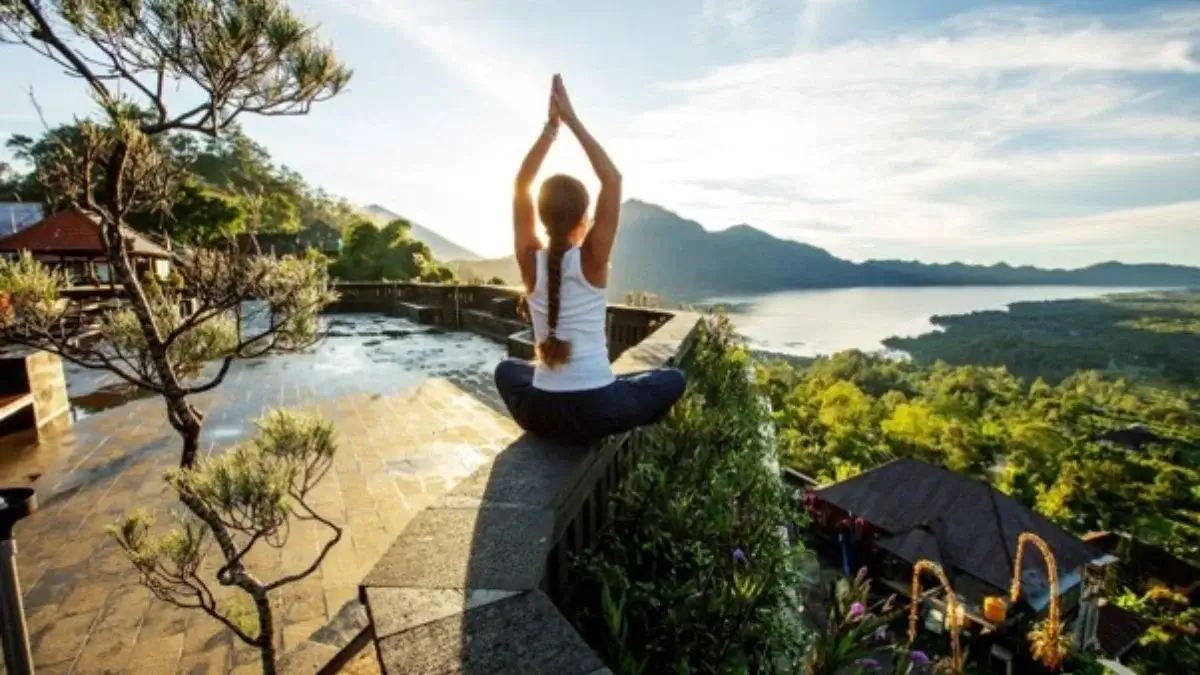
Bali has so many yoga studios that choosing one can become oddly difficult. Search for a class in Ubud or Canggu and you will find everything from serious Ashtanga rooms to huge wellness complexes, intimate bamboo shalas, beachfront sessions and places where yoga shares the schedule with breathwork, ecstatic dance and ice baths.
The useful question is not simply which studio is “best”. It is what kind of day you want around the practice. Some places are worth choosing for the teachers. Others for the setting. A few are good enough that it makes sense to stay nearby for several days rather than spend half your morning in Bali traffic .
Table of Contents
Ubud: still the deepest pool of yoga choices
If yoga is one of the main reasons for your trip, Ubud remains the easiest place to settle in. You can practice every day for a week without repeating a style, teacher or even atmosphere.
The Yoga Barn
The Yoga Barn is the obvious name, but its popularity is justified. It functions less like a small studio and more like a yoga campus, with several practice spaces and a schedule that can run from early morning into the evening. Vinyasa yoga, Hatha, Yin, meditation, breathwork, sound healing and workshops sit alongside more experimental wellness events.
Its biggest advantage is choice. If you arrive in Ubud without a fixed yoga routine, you can try an energetic morning flow one day, a slower Yin class the next and a meditation session after that. The downside is equally obvious: popular sessions can feel busy. People looking for a tiny shala where the teacher remembers everyone after one class may prefer somewhere smaller.
Radiantly Alive
Radiantly Alive is a better fit for practitioners who care about the class itself more than the surrounding wellness scene. The teaching tends to feel focused, and the timetable covers Vinyasa, Hatha, Ashtanga, Yin, breathwork and foundation classes.
This is one of the places I would look at if I wanted to improve technique rather than simply stretch between sightseeing trips. Classes often give more space to alignment, transitions and the mechanics behind a pose. There are also longer trainings and teacher programs for people who want to turn a few Bali classes into something more serious.
Alchemy Yoga and Meditation Center
Alchemy feels different again. Its Ubud center in Penestanan is built around striking bamboo architecture and gardens, so the physical space is part of the experience without becoming the whole point of it. The program combines Hatha-based practice, yoga meditation, breathwork and classes organized around elements such as Earth, Water, Fire, Air and Ether.
It suits people who want yoga with a stronger contemplative side. You can come for a physically demanding class, but it is equally possible to spend a morning moving slowly, breathing and meditating without feeling that you accidentally booked the “easy option”.
Ubud Yoga Centre
Ubud Yoga Centre deserves attention for a different reason. It has long been associated with hot yoga and more physically direct classes. The atmosphere is less retreat-like than some jungle shalas, which can be refreshing if incense, ceremonies and spiritual branding are not what you came for. For travellers who simply want a proper class, a shower and breakfast afterwards, it is an uncomplicated choice.
Canggu: yoga that fits around surfing, work and social life
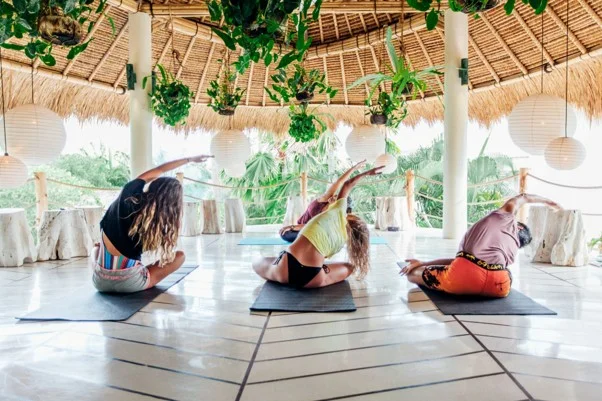
Canggu’s yoga scene has changed with the neighborhood. Practice here often feels more casual and integrated into daily life. People arrive after surfing, before opening a laptop, or between meetings and dinner. That does not mean the teaching is lightweight.
Samadi Bali
Samadi is one of the strongest choices in Canggu for anyone interested in Ashtanga, although its timetable goes well beyond one tradition. Hatha, Vinyasa, Yin, handstand practice, FlyHigh Yoga, meditation and sound sessions also appear regularly.
The setting has enough greenery to feel removed from the road, and there is a cafe and wellness element around the studio without the place turning into a resort. Indonesian residents should also check current local pricing, since Samadi has offered special KTP rates. For somebody staying around Echo Beach or Padang Linjong, it is easy to make Samadi part of a normal week rather than a special excursion.
Serenity Eco Guesthouse and Yoga
Serenity is useful for travellers who want everything close together. It combines accommodation, food and a large yoga program in one property near the coast. The range is unusually broad: Vinyasa, Hatha, Ashtanga-inspired classes, Yin yoga, restorative practice, aerial yoga and inversion-focused sessions are among the options.
It is not the studio I would choose for monastic silence. Canggu is still Canggu , and the area has plenty happening around it. But for someone travelling alone, staying a week and wanting yoga without organizing transport twice a day, Serenity makes practical sense.
Uluwatu and Bingin: practice first, cliffs afterwards
The Bukit Peninsula offers a very different yoga day. There is less of Ubud’s dense wellness ecosystem and more open sky, limestone cliffs, surf beaches and long afternoons outside.
Alchemy’s Uluwatu location near Bingin is one of the strongest studios in this part of Bali. It carries the same broader philosophy as the Ubud center, but the surroundings change the mood completely. Practice in the morning, eat nearby, then head toward Bingin or Padang Padang rather than spending the day circulating between cafes and workshops.
The Uluwatu center also has recovery facilities including sauna and hot and cold bathing. That combination is genuinely useful if your Bali routine involves surfing, strength work or frequent yoga rather than being an ornamental wellness extra. A hard morning flow followed by cold water makes considerably more sense after three surf sessions than another smoothie bowl.
Sanur: quieter mornings by the sea
Sanur does not have Ubud’s volume of studios or Canggu’s social scene, which is precisely why some people prefer it. Mornings are calmer, the coastline is easy to walk, and the eastern position makes sunrise part of everyday life rather than an expedition.
Power of Now Oasis is the standout yoga center here. It operates close to the sea in a bamboo shala and runs regular Hatha, Vinyasa, Yin, meditation, pranayama, Yoga Nidra and sound-based sessions. There are simple drop-in classes as well as longer retreats and teacher training, so you do not need to commit to a wellness package just to practice there.
Its location is the real pleasure. A morning class can naturally continue with breakfast and a walk along Sanur Beach, where the water and promenade create a far slower rhythm than the west coast. Power of Now works especially well for people who want yoga beside the ocean but do not want their entire holiday organized around a retreat.
Which part of Bali should you choose?
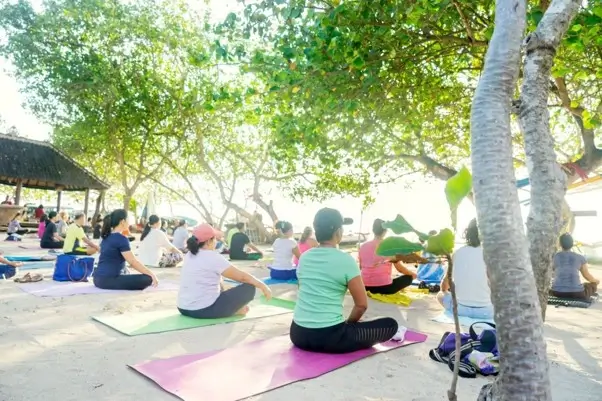
- For the widest choice of teachers and styles: stay in Ubud, ideally within walking distance or a short ride from The Yoga Barn, Radiantly Alive or Alchemy.
- For serious practice with plenty happening outside the studio: Canggu works well, especially around Samadi.
- For yoga mixed with surfing and cliff beaches: choose Uluwatu or Bingin , with Alchemy Uluwatu as a reliable base.
- For quieter coastal practice: Sanur and Power of Now Oasis are hard to beat.
- For an easy yoga-focused stay without much planning: Serenity in Canggu combines classes, rooms and food in one place.
One practical rule matters more in Bali than studio rankings: stay close to the place where you plan to practice. A famous class loses much of its appeal after ninety minutes in traffic. Pick two or three studios that match your style, look carefully at their current schedules, and build accommodation around them rather than the other way around. Bali has enough excellent yoga that there is rarely a good reason to commute across the island for it.


Bitcoin Mining Meets the AI Infrastructure Boom: How SHRMiner Brings Cloud Computing Power to Crypto Users

Ardha Halasana (Half Plough Pose): Steps, Benefits & Safety

Where to Actually Practice Yoga in Bali: Studios Worth Crossing the Island For

How to Build a Sustainable Recovery Routine After Pain or Injury

Vikrum Aiyer: The Everyday Health Payoff of Regular Bike Riding

How AI Video Generation Is Changing the Way Stories Get Told

Files Over Miles: The Lost Peer-to-Peer Sharing Service

Negahestan: Persian Heritage in a Digital World

Sungdayer Lifestyle: Turning Sundays into Joyful Renewal

Repelis24: Free Spanish Movies with Legal Issues

Choosing a Yoga Teacher Training Course You Will Not Regret

Micro-Movement Breaks for Better Posture and Everyday Mobility

6 Essential Resources for a Smarter Back Pain and Mobility Support Plan in Denver

Fangchanxiu.com – China’s Leading Smart Real Estate

What Are PLG Supplies? Full Guide & Industrial Uses
-
 GENERAL1 year ago
Christofle – For Those Who Dream of Family Heirloom Silver
-
SPORTS4 weeks ago
Discover the World of Football with Streameast: Watch Your Favorite Leagues and Tournaments
-
HOME IMPROVEMENT1 year ago
Spacious and Stylish 300cm Round Rugs: Elegant and Modern Designs for a Chic Home Decor
-
GENERAL8 months ago
Uncovering the World of кинокрадко: The Dark Side of Film Piracy