
HEALTH AND FITNESS
Meditation, Breathwork, and the Vagus Nerve: A Simple Guide to Daily Calm

Modern life keeps many people in a constant state of mental noise. Emails arrive before breakfast. Notifications interrupt quiet moments. Work stress follows people home. Even when the body is sitting still, the nervous system may feel like it is still running.
That is one reason interest in meditation, breathwork, and the vagus nerve has grown so quickly. People are no longer looking only for ways to “think positive.” They want practical tools that help the body feel safer, slower, and more grounded.
The good news is that daily calm does not require a silent retreat, expensive equipment, or a perfect meditation practice. For many people, it starts with something much simpler: breathing with intention, paying attention to the body, and building small routines that support the nervous system.
Table of Contents
What Is the Vagus Nerve?
The vagus nerve is one of the body’s major communication pathways between the brain and the body. It plays an important role in the autonomic nervous system, which helps manage automatic functions such as heart rate, breathing, digestion, and internal regulation.
A simple way to understand the vagus nerve is to think of it as part of the body’s “calm and recovery” network. When the body senses pressure, danger, or overload, the sympathetic nervous system becomes more active. This is often called the fight-or-flight response. When the body feels safer, the parasympathetic nervous system can become more active. This is associated with rest, digestion, recovery, and relaxation.
The vagus nerve is not a magic switch, and it should not be described as a cure for stress, anxiety, insomnia, or pain. But it is closely connected to the systems that influence how calm, regulated, or overloaded a person feels. This is also why practices such as meditation, slow breathing, and newer wellness approaches like auricular vagus nerve stimulation are often discussed together in conversations about nervous system balance.
How Meditation and the Vagus Nerve Are Connected
Meditation is often described as a mental practice, but it also affects the body. When someone sits quietly, slows their breathing, and gently returns attention to the present moment, the body may begin shifting away from high-alert mode.
Mindfulness practices may support nervous system regulation by helping people observe thoughts, emotions, and physical sensations without immediately reacting to them. Over time, this can make it easier to notice tension before it becomes overwhelming.
Meditation may also influence heart rate variability, often called HRV. HRV is commonly used as a marker of autonomic nervous system flexibility. A more flexible nervous system can usually shift more smoothly between activation and recovery.
However, meditation does not work the same way for everyone. Some people feel calmer after five minutes. Others feel restless at first. Some people need movement, sound, or guided breathing before seated meditation feels natural.
This is why a practical approach works best. Instead of trying to force the mind to become quiet, it can be easier to create conditions that invite the body to calm down.
Why Breathwork May Be the Easiest Place to Start
Breathwork is one of the most accessible ways to support nervous system regulation. You can practice it almost anywhere: at your desk, in bed, before a meeting, after a workout, or during a short break.
Breathing is unique because it happens automatically, but you can also consciously change it. When stress rises, breathing often becomes faster, shallower, or more chest-based. When the body relaxes, breathing usually becomes slower, deeper, and more rhythmic.
This is where breathwork becomes useful. By slowing the breath and making the exhale longer and smoother, you may help send a signal of safety to the body. In everyday language, your breathing pattern can tell your nervous system, “We are not in immediate danger. It is safe to slow down.”
That does not mean one breathing session will erase stress. But repeated breathing practice can become a simple daily tool for helping the body move out of constant alertness and into a more settled state.
The Power of the Extended Exhale
If you only remember one breathwork principle, make it this: lengthen the exhale.
Many calming breathing practices use an exhale that is longer than the inhale. For example, you might inhale for four counts and exhale for six counts. The longer out-breath can help slow the rhythm of breathing and bring attention away from racing thoughts.
Try this simple practice:
- Sit comfortably with your shoulders relaxed.
- Inhale through your nose for four counts.
- Exhale slowly for six counts.
- Repeat for three to five minutes.
- Keep the breath gentle, not forced.
The goal is not to breathe as deeply as possible. The goal is to breathe in a way that feels steady, smooth, and safe. If six counts feels too long, use four in and five out. If you feel dizzy, stop and return to normal breathing.
This small practice can be especially helpful before sleep, after a stressful conversation, or during a midday reset.
A Simple Meditation and Breathwork Routine for Daily Calm
You do not need a complicated system to begin. A 10-minute daily calm routine can be enough to build consistency.
Minute 1: Arrive
Sit or lie down in a comfortable position. Let your hands rest naturally. Notice where your body touches the chair, floor, or bed. You do not have to change anything yet. Simply arrive.
Minutes 2–4: Slow the Breath
Begin breathing through the nose if that feels comfortable. Inhale gently for four counts and exhale for six counts. Let the exhale feel like a release rather than a performance.
If your mind wanders, that is normal. Bring your attention back to the next breath.
Minutes 5–7: Add Mindful Awareness
Now bring your attention to one simple point: the feeling of air moving at the nose, the rise and fall of the chest, or the soft movement of the belly.
When thoughts come in, notice them and return to the breath. This is the practice. Wandering is not failure. Coming back is the training.
Minutes 8–9: Relax the Body
Scan from the forehead to the jaw, shoulders, chest, belly, and hands. If you find tension, soften around it. You do not need to force it away.
You might notice the jaw unclenching, the shoulders dropping, or the breath becoming quieter.
Minute 10: Re-enter Slowly
Before opening your eyes or moving on, notice how your body feels. Even if the change is small, acknowledge it. Calm often builds through repetition, not intensity.
Breathwork Techniques That Pair Well With Meditation
Different breathing techniques can serve different moments. Here are three simple options.
1. Box Breathing
Box breathing uses equal counts: inhale, hold, exhale, hold. A common pattern is four counts for each step.
It can be useful when you need structure and focus. Because every part of the breath has the same length, box breathing gives the mind something steady to follow.
Try it when your mind feels scattered or overstimulated.
2. 4-7-8 Breathing
The 4-7-8 technique involves inhaling for four seconds, holding for seven seconds, and exhaling for eight seconds.
Many people use this style of breathing before sleep because it slows the breath and gives the mind a predictable rhythm. If the full pattern feels too long, you can shorten the counts while keeping the same general structure.
Try it when you are winding down before bed.
3. Humming Breath
Humming on the exhale can create a gentle vibration around the throat and chest. Since the vagus nerve has connections with areas involved in the throat and voice, humming is often included in vagus nerve wellness routines.
To try it, inhale gently through the nose, then hum softly as you exhale. Keep the sound comfortable and relaxed.
Try it when you want something simple, physical, and grounding.
Where Yoga Fits In
Yoga can be a natural bridge between meditation and breathwork. Gentle movement helps some people settle before sitting still. Slow stretching, restorative poses, and breath-led movement may support a shift away from stress mode.
A calm yoga practice does not need to be long. Five to ten minutes of slow movement can help release jaw, neck, shoulder, and chest tension. This matters because many people hold stress in these areas while breathing shallowly.
Try pairing simple movement with longer exhales. For example, inhale as you lift the arms, then exhale slowly as you fold forward. The body begins to associate movement, breath, and release.
For beginners, the best yoga practice for daily calm is not the most advanced one. It is the one that helps you breathe more slowly, feel more present, and leave the session feeling steadier than when you began.
What Daily Calm Is Not
Daily calm does not mean feeling peaceful all the time. It does not mean eliminating stress, never getting angry, or forcing the body into relaxation.
A healthier goal is flexibility. Can your body return to balance after stress? Can you notice tension earlier? Can you create small pauses before reacting? Can you build a routine that helps your nervous system recover more often?
This is where meditation and breathwork become useful. They are not quick fixes. They are training tools.
Just as physical strength builds through repeated movement, nervous system awareness builds through repeated practice. The benefit comes less from one perfect session and more from returning to the routine regularly.
Supporting Your Routine With Gentle Wellness Tools
Many people begin with meditation, breathwork, yoga, journaling, sleep hygiene, or time outdoors. Some also explore non-invasive wellness tools as part of a daily relaxation routine.
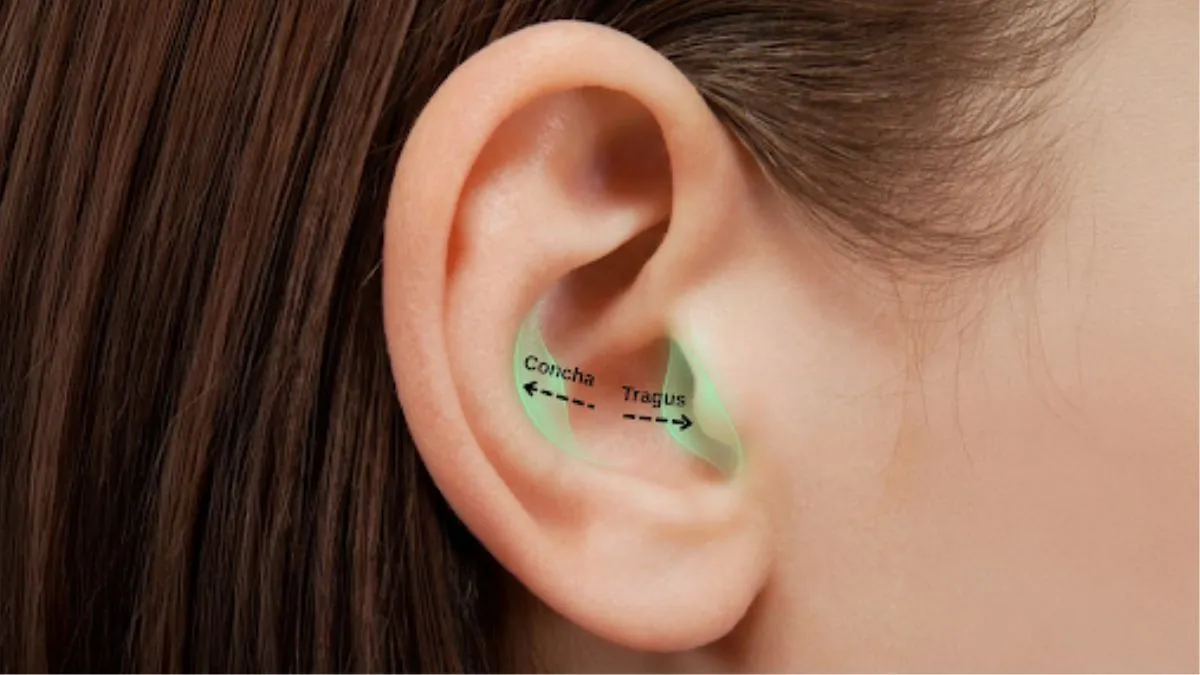
For beginners who want to understand how ear-based devices fit into this kind of routine, this guide to ear-based nervous system support explains the basics in a practical, non-medical way.
The key is to treat these tools as part of a broader wellness routine, not as a replacement for medical care. Anyone with an implanted medical device, seizure history, pregnancy, serious heart condition, or uncertainty about whether stimulation is appropriate should speak with a healthcare professional first.
How to Build a Routine You Will Actually Keep
The best nervous system routine is not the most impressive one. It is the one you can repeat.
Start with three rules.
Keep It Short
Begin with five minutes. If that feels easy, increase to ten. A small routine repeated daily is more powerful than a long routine done once.
Many people fail because they start with a routine that is too ambitious. A short practice lowers the barrier and makes consistency easier.
Attach It to an Existing Habit
Practice after brushing your teeth, before opening your laptop, after lunch, or right before bed. The more naturally it fits into your day, the more likely it is to last.
This is especially helpful for people who struggle to remember self-care practices. Instead of creating a brand-new habit from nothing, you connect the routine to something you already do.
Track How You Feel, Not Just What You Do
After each session, ask: Do I feel 5% calmer? Is my breathing slower? Is my jaw softer? Am I less reactive? These small signals matter.
Some people also track sleep quality, resting heart rate, HRV, mood, or stress levels. These data points can be helpful, but they should not become another source of pressure.
The goal is not to score your nervous system. The goal is to understand it better.
Common Mistakes to Avoid
One mistake is trying too hard. Breathwork should not feel like a competition. If you force the breath, hold too long, or chase a dramatic feeling, the body may become more tense.
Another mistake is expecting instant transformation. Some people feel a shift quickly, but others need several weeks of repetition before the routine feels natural.
A third mistake is using calming practices only when stress is already overwhelming. It is better to practice when you are only mildly stressed or even neutral. That way, the body learns the pattern before it urgently needs it.
Finally, avoid turning calm into another task to perfect. Meditation and breathwork are not about becoming a flawless person. They are about building a kinder relationship with your body and giving your nervous system more chances to recover.
Final Thoughts
Meditation, breathwork, and the vagus nerve are connected through a simple idea: the body and mind are always communicating. When you slow the breath, soften attention, and create a regular pause, you give the nervous system a chance to move away from constant alertness and toward recovery.
You do not need to master every technique. Start with one. Sit down. Inhale gently. Exhale a little longer. Notice the body. Return tomorrow.
Daily calm is not something you force. It is something you practice, one breath at a time.


Solar Plexus Chakra: Meaning, Power, and Inner Confidence

Chakra Colors and Crystals Root Chakra: The Complete Energy Guide

What Are the 12 Chakras

Unlocking the Power of Urdhva Dhanurasana: A Guide to Wheel Pose

Meditation, Breathwork, and the Vagus Nerve: A Simple Guide to Daily Calm

The Long-Term Benefits of Proactive Roof Replacement

A Student-Friendly Guide to Affordable Electric Rides During Qronge Prime Day

Cat Cow Stretch: Master the Pose with Proper Form

Side Lying Pose, A Relaxing Yoga Pose

5 Yoga Poses to Fix Anterior Pelvic Tilt

What is Acroyoga? A Beginner’s Guide to Yoga, Acrobatics, and Partner Lifts

Comprehensive Dental Care: Implants and General Dentistry Tips

Breast Augmentation in Your 20s, 30s and 40s: What May Differ?

Knee Pain: Common Causes and When to See a doctor

Choosing an Orthopaedic Clinic in Singapore: Factors to Consider
-
 GENERAL1 year ago
Christofle – For Those Who Dream of Family Heirloom Silver
-
SPORTS1 year ago
Discover the World of Football with Streameast: Watch Your Favorite Leagues and Tournaments
-
GENERAL6 months ago
Uncovering the World of кинокрадко: The Dark Side of Film Piracy
-
GENERAL3 months ago
Unveiling the Art of преводсч: How Translators Bridge Language Barriers