
Tech
How Digital Manufacturing Is Accelerating Product Development

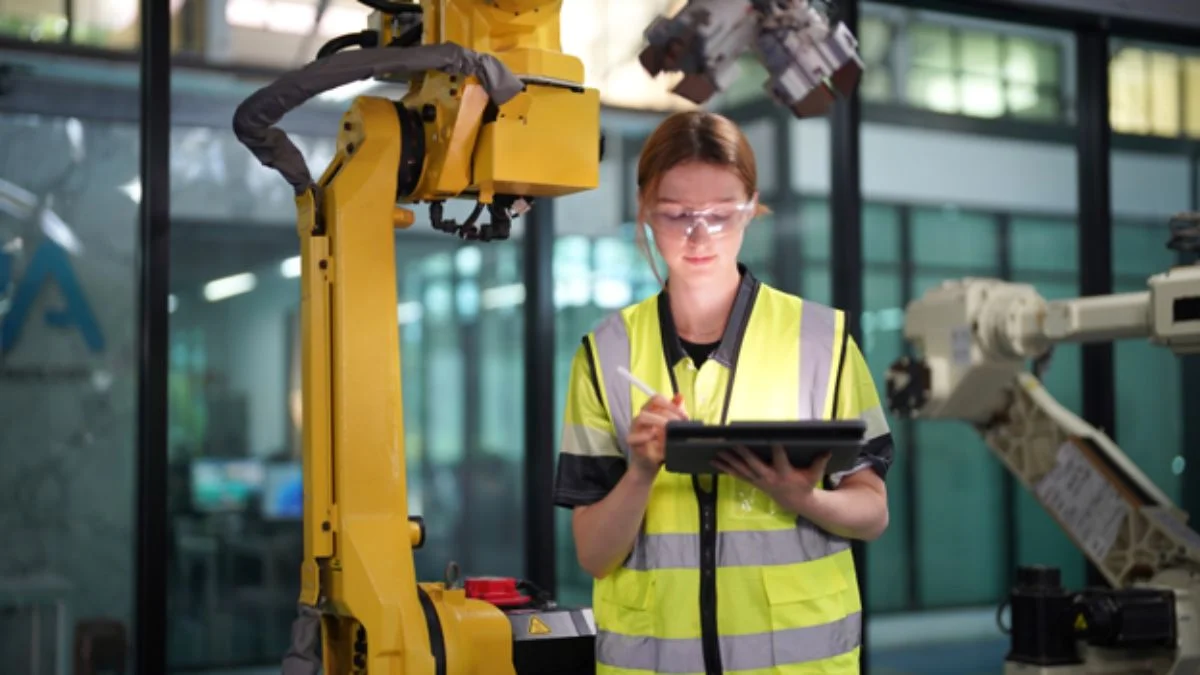
Getting a product from sketch to shelf used to take years. Now? Some teams are pulling it off in weeks. What’s happening across engineering labs and factory floors isn’t a minor upgrade; it’s a fundamental rewiring of how things get made. Digital manufacturing is reshaping product development at every level: compressing timelines, reducing waste, and delivering real-time feedback that once belonged exclusively to enterprise-scale operations. Whether you’re leading a scrappy startup or managing a seasoned engineering team, this shift is already affecting you.
Table of Contents
The Digital Manufacturing Revolution Reshaping Product Development
Everything starts with a digital-first mindset, one that connects design intent to production output without the usual gaps and guesswork.
Core Principles and Their Role Across the Product Life Cycle
At its heart, digital manufacturing brings automation, live data, and system connectivity together to eliminate costly assumptions at every stage. Automotive engineers are validating chassis geometry before a single piece of metal is cut. Medical device teams are running simulation-based tests months before regulatory review even begins. Consumer electronics companies are dramatically shortening product cycles.
Building Agile Development Through Smart Manufacturing Systems
Smart manufacturing weaves together Industrial IoT sensors, AI-driven automation, cloud platforms, and Manufacturing Execution Systems into one continuous workflow. The result is something engineers call the “digital thread”, an unbroken data connection from CAD model to finished part, and it means problems get caught early rather than surfacing on the production floor at the worst possible moment.
Rapid Prototyping: Where Speed Becomes a Strategic Advantage
Understanding the smart manufacturing ecosystem sets up one of its most tangible benefits: rapid prototyping that turns digital files into real decisions, fast.
Next-Generation Prototyping Tools and What They Actually Enable
The time and capital once locked up in traditional prototyping processes can now be dramatically recovered. Teams upload a design file and use online 3d printing services that deliver production-quality components in days, sometimes hours. That speed lets you test, revise, and retest within a single development sprint, completing multiple iterations that previously consumed weeks and serious budget.
Honestly, that kind of turnaround changes how product teams think altogether. Instead of guarding every design decision as if it were irreversible, they test freely and fail cheaply. That’s as much a cultural shift as a technical one.
Real Teams, Real Results: Concept to Commercialization
A wearable health tech startup recently used digital twin simulation alongside physical prototyping to cut nearly four months from their FDA submission timeline. An EV parts supplier validated a new battery housing design through simulation before committing to a single physical test piece. IoT device makers are now running five or six design iterations per week, something that was physically impossible just five years ago.
These aren’t thought experiments. They’re examples of what happens when teams actually commit to the process.
Advanced Manufacturing Technologies Defining the Next Generation of Products
Rapid prototyping accelerates the front end of development, but the transformation doesn’t stop there. Advanced manufacturing technology is reshaping every downstream phase of the product lifecycle too.
3D Printing Has Grown Up
3D printing started as a prototyping curiosity. Today, it’s producing end-use aerospace components, custom medical implants, and short-run consumer goods. Material science has kept pace; engineers now select from high-performance polymers, metal alloys, and composites that meet legitimate production-grade quality standards.
A 2024 KPMG report found that 34% of industrial manufacturing organizations are already achieving ROI from multiple AI use cases. That tells you these technologies are well past the experimental phase.
AI, Automation, and Robotics Driving Continuous Improvement
AI-powered quality control systems detect defects at speeds no human inspector can realistically match. Collaborative robots take on repetitive assembly tasks while your engineering team stays focused on design and problem-solving. Predictive maintenance catches equipment issues before they derail a production run.
Layer AI and robotics on top of additive manufacturing, and you get a factory that continuously refines its own output, at scale, in real time.
Confronting the Real Barriers to Digital Adoption
Transformative as these tools are, capturing their full value means addressing genuine organizational friction, not just technical limitations.
Closing the Digital Skills Gap
Your teams need engineers who can operate comfortably across both physical manufacturing and digital manufacturing software ecosystems. CAD proficiency, MES platform knowledge, and additive design principles are increasingly baseline expectations. Many companies are partnering with community colleges and online learning platforms to upskill existing staff rather than competing for scarce external talent.
Protecting IP in an Increasingly Connected Environment
As connectivity expands, so does exposure. Encrypted cloud storage, role-based access controls, and ITAR compliance frameworks aren’t optional safeguards; they’re foundational. Serious manufacturers treat data security the same way they treat quality control: non-negotiable.
The Real Competitive Edge Belongs to Teams That Move Now
Product development has changed more in the last five years than in the previous fifty, and that trajectory isn’t slowing. Teams that build digital manufacturing into their core workflow, invest in smart manufacturing infrastructure, and normalize rapid prototyping aren’t just moving faster. They’re building better products, surfacing problems earlier, and spending less to get to market. The convergence of advanced manufacturing technology, AI, and connected systems gives every serious engineering team a genuine shot at timelines that once felt impossible. The question was never *whether* to adopt. It’s always been about how quickly you’re willing to move.
Common Questions About Digital Manufacturing in Product Development
What are the main differences between digital manufacturing and traditional manufacturing?
Traditional manufacturing depends on physical processes with limited real-time feedback. Digital manufacturing integrates data, automation, and connected systems to enable continuous monitoring, faster iteration, and smarter decision-making across the full production process.
How does rapid prototyping reduce product development risks?
By producing testable parts quickly and affordably, rapid prototyping helps teams catch design flaws before expensive tooling or production commitments are locked in, significantly reducing late-stage redesign costs.
Which industries benefit most from smart manufacturing technologies?
Automotive, aerospace, medical devices, consumer electronics, and defense lead in adoption. That said, food and beverage, industrial equipment, and IoT hardware companies are increasingly applying smart manufacturing tools across their development workflows.


Bebasinindo: Championing Freedom in Indonesia

Ankwave: Future of Connectivity with Energy-Efficient Solutions

Afruimwagens: Efficient Mobile Carts for Workspaces

Understanding Formula 1 Standings and Championship Rankings

Do Cats Fart? A Scientific and Behavioral Look at Feline Gas

Hatha Yoga: Balancing Body, Mind, and Energy

Wave_of_Happy_: Cultivating a Positive Mindset for Lasting Joy

Gamer Challenger: Definition, Role, and Competitive Focus

Slope Unblocked: Free Online 3D Ball Running Game

Brand Name Normalization Rules: A Complete Practical Guide

Veneajelu: The Finnish Art of Peaceful Summer Boating

The Journey of iamnobody89757: From Anonymous User to Internet Sensation

Adsy.pw/hb3: The Future of High-Impact Digital Advertising

Soutaipasu: Understanding Relative Paths in Computing

Omaha, Nebraska Mental Health Routines for School, Work, and Changing Seasons
-
 GENERAL1 year ago
Christofle – For Those Who Dream of Family Heirloom Silver
-
GENERAL9 months ago
Uncovering the World of кинокрадко: The Dark Side of Film Piracy
-
SPORTS2 months ago
Discover the World of Football with Streameast: Watch Your Favorite Leagues and Tournaments
-
HOME IMPROVEMENT2 years ago
Spacious and Stylish 300cm Round Rugs: Elegant and Modern Designs for a Chic Home Decor