
YOGA
Chaturanga Yoga Guide | Strength, Balance & Mindfulness

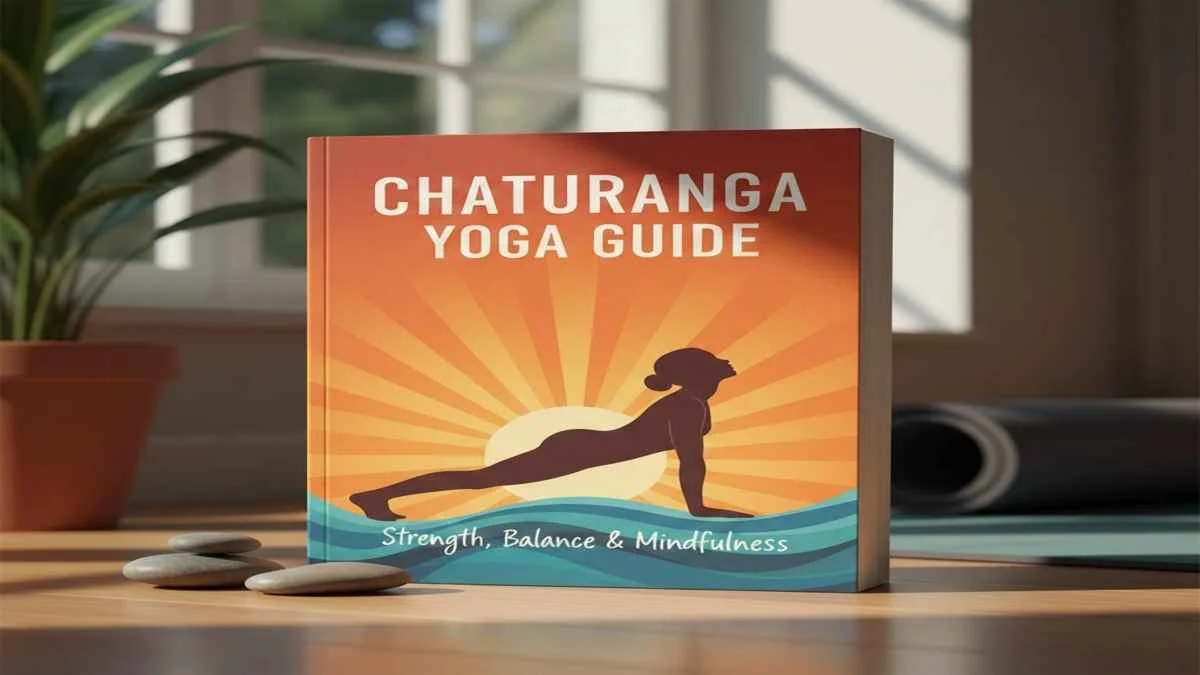
Chaturanga Yoga derives from Sanskrit, where “chatur” means four and “anga” means limb or part. The pose is traditionally a low plank position that engages the arms, shoulders, core, and legs simultaneously. It is a transitional asana often seen in Sun Salutations (Surya Namaskar) and vinyasa sequences. While appearing simple, its correct execution demands control, alignment, and mindfulness.
Unlike bare planks, Chaturanga emphasizes upper body strength and precise alignment, making it both a strengthening and stabilizing posture. It is commonly considered an intermediate to advanced pose due to the muscular engagement required.
Table of Contents
Correct Technique and Alignment
Proper alignment is crucial in Chaturanga Yoga to prevent injury and maximize benefits. Key steps include:
- Starting Position: Begin in a plank pose with shoulders aligned over wrists and legs extended back.
- Elbow Placement: Lower the body slowly, bending elbows at a 90-degree angle, keeping them close to the ribcage.
- Core Engagement: Draw the navel toward the spine to maintain a neutral spine and prevent sagging in the lower back.
- Legs and Feet: Keep thighs and legs engaged, pressing through the balls of the feet for stability.
- Head and Neck Alignment: Maintain a neutral gaze, avoiding craning the neck forward or downward.
It is essential to avoid collapsing the shoulders or letting the hips sag, as these errors can strain the shoulders and lower back.
Benefits of Chaturanga Yoga
1. Strengthens Upper Body and Core
Chaturanga Yoga is primarily recognized for its strengthening effects. By bearing weight on the arms, shoulders, and wrists, practitioners build muscular endurance. Simultaneously, core engagement stabilizes the spine, improving overall posture.
2. Enhances Balance and Stability
The pose requires a coordinated effort from multiple muscle groups, fostering body awareness and balance. Regular practice improves neuromuscular coordination and encourages mindful movement in dynamic yoga sequences.
3. Supports Cardiovascular and Muscular Endurance
In vinyasa flows, Chaturanga is often repeated several times, providing a low-impact cardiovascular challenge. This repetitive engagement improves stamina and promotes lean muscle development.
4. Promotes Mindfulness and Focus
Beyond the physical benefits, Chaturanga encourages mental concentration and mindfulness. Holding the posture demands present-moment awareness, helping reduce mental distractions and enhance meditative focus.
Common Mistakes to Avoid
Despite its simplicity, Chaturanga Yoga is frequently performed incorrectly. Common mistakes include:
- Dropping the hips too low, causing lower back strain.
- Letting elbows flare outward reduces shoulder stability.
- Collapsing the chest, which can overextend the shoulder joints.
- Neglecting core engagement, leading to improper spinal alignment.
To avoid these pitfalls, beginners may use modifications, such as lowering knees to the floor while maintaining proper upper body alignment. Over time, strength and endurance improve, allowing progression to the full pose.
Variations of Chaturanga Yoga
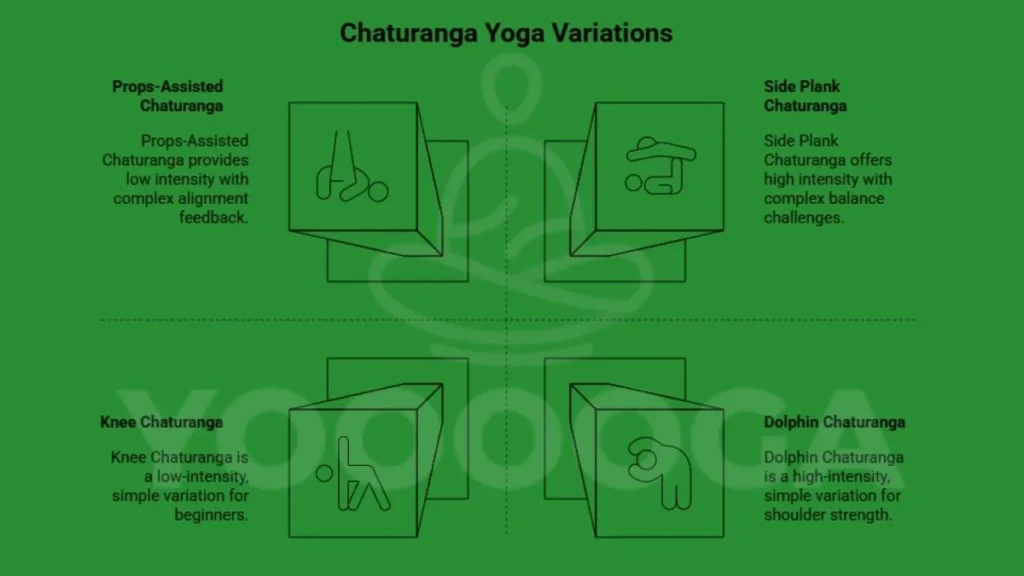
Modifications and Preparatory Poses
For practitioners developing strength or recovering from injury, modifications are invaluable:
- Knee Chaturanga: Keep knees on the mat while performing the pose, reducing pressure on the arms.
- Forearm Support: Using yoga blocks or props under the shoulders for support can assist in maintaining alignment.
- Plank Variations: Regular plank or high plank poses build the necessary core and shoulder strength before attempting Chaturanga.
Preparatory poses like Downward-Facing Dog (Adho Mukha Svanasana) and Dolphin Pose strengthen shoulders and upper back, providing a foundation for safe Chaturanga practice.
Integration into Yoga Sequences
Chaturanga Yoga is most incorporated into vinyasa flows and Sun Salutations. It acts as a transitional pose, linking plank and upward-facing postures. Its inclusion ensures a full-body engagement, enhancing both strength and flexibility within a sequence.
Advanced practitioners may combine Chaturanga with arm balances or backbends, increasing intensity and exploring deeper levels of strength and concentration.
Safety Considerations
Although Chaturanga Yoga is highly beneficial, it requires caution:
- Individuals with shoulder, wrist, or elbow injuries should consult a qualified yoga instructor.
- Beginners should prioritize alignment over depth to prevent strain.
- Using yoga props or practicing under supervision can mitigate risk and enhance confidence.
Scientific Insights and Research
Recent studies highlight the role of bodyweight yoga poses like Chaturanga in musculoskeletal health. Regular practice can improve upper body strength, core stability, and posture. Additionally, engaging multiple muscle groups simultaneously may aid functional fitness, enhancing day-to-day movement efficiency.
Mindfulness practices integrated with yoga, including Chaturanga, are also linked to reduced stress and improved mental clarity, reinforcing the holistic benefits of this pose.
FAQs
1. Is Chaturanga Yoga suitable for beginners?
Yes, with modifications like knee Chaturanga, beginners can safely build strength before advancing.
2. How often should I practice Chaturanga Yoga?
Incorporating it 3–5 times per week within a vinyasa or flow practice is ideal for strength and endurance gains.
3. Can Chaturanga Yoga help with posture?
Yes, it strengthens the core, shoulders, and back, promoting proper alignment and improved posture.
Conclusion
Chaturanga Yoga is more than a simple yoga pose; it is a dynamic and multifaceted practice that combines strength, stability, and mindfulness. Whether integrated into a vinyasa flow or practiced independently, it offers a robust approach to developing physical endurance and mental focus. Correct technique, awareness of alignment, and gradual progression are key to reaping its full benefits.
For yoga practitioners seeking strength, coordination, and mental clarity, Chaturanga Yoga is an essential component of balanced practice. By understanding its proper execution and respecting individual limitations, one can safely embrace this assertive posture and unlock its holistic benefits.


Back Casting Room: Definition, Setup & Best Practices

Streaming Your Workouts at Home: How to Build the Perfect Fitness Setup

Social Media Scheduler Guide: Features, Benefits, Best Practices & Tools

Eagle Pose: Quick and Easy Guide

Happy Baby Pose: Benefits, Steps, and Tips for Beginners

Detoxify Your Body and Mind with Dragon Pose: A Step-by-Step Guide

HGH Peptides Buy Online: What to Know Before You Buy Peptides

Printed Mailer Boxes: How Printed Mailer Boxes Improve the Unboxing Experience

How Influencer Packaging Campaigns Boost Brand Awareness

How Outdoor Activities Improve Retirement Quality of Life

Why Businesses Trust TekRevol for Healthcare App Development

Flemington’s Complete Healthcare Network: Top Providers Working Together for Community Wellness

How Shared Workspaces Accumulate Bacteria in Places Nobody Thinks to Clean

How Varifocal Glasses Are Better Than the Rest

How Guests Leave a Space Differently Than Residents and What That Means for Effective Cleaning Practices
-
 GENERAL1 year ago
Christofle – For Those Who Dream of Family Heirloom Silver
-
SPORTS1 year ago
Discover the World of Football with Streameast: Watch Your Favorite Leagues and Tournaments
-
GENERAL7 months ago
Uncovering the World of кинокрадко: The Dark Side of Film Piracy
-
GENERAL4 months ago
Unveiling the Art of преводсч: How Translators Bridge Language Barriers