
GENERAL
Ракитовица (Tamarix): Botanical Traits and Global Role

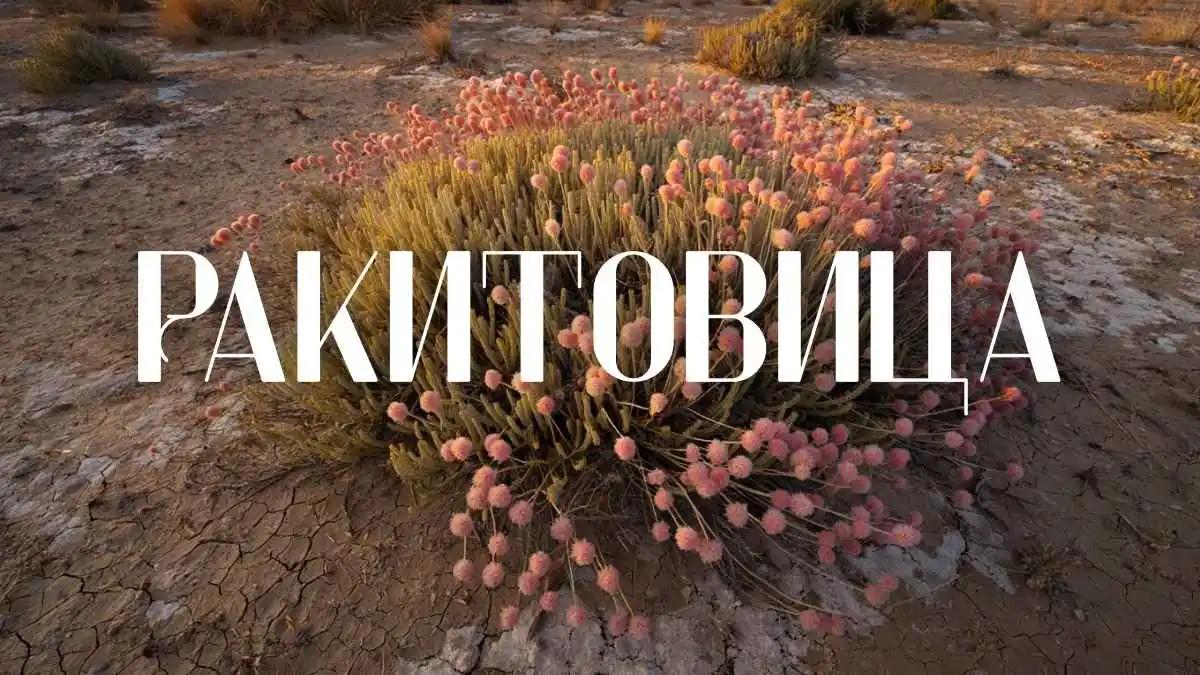
Ракитовица is the Bulgarian term for plants belonging to the Tamarix genus, known in English as tamarisk or salt cedar. These shrubs and small trees are notable for their resilience in challenging environmental conditions and their distinctive appearance. Native to parts of Europe, Asia, and Africa, Tamarix species have adapted to thrive where many plants cannot. In Bulgaria, Ракитовица is valued for both ecological and aesthetic reasons, while in other regions of the world, it has raised environmental concerns due to its invasive behavior.
Table of Contents
Botanical Overview of the Tamarix Genus
The Tamarix genus is part of the Tamaricaceae family and includes more than 50 species. These plants share several defining botanical characteristics:
- Growth ranging from shrubs to small trees
- Typical height of 2–10 meters
- Slender, flexible branches that create a light, feathery structure
- Highly reduced, scale-like leaves instead of broad foliage
- Pale green to bluish-green coloration of leaves
The reduced leaf surface area helps minimize water loss, making Ракитовица particularly suited to dry and saline environments.
Flowers and Reproductive Characteristics
One of the most visually striking features of Ракитовица is its dense clusters of small flowers, which bloom in shades of pink, pale purple, or white. These flowers are arranged in elongated racemes and typically appear from late spring through summer, depending on the species and local climate.
The flowers produce abundant seeds that are extremely small and lightweight, allowing them to be dispersed easily by wind and water. This efficient reproductive strategy contributes to the plant’s rapid spread in suitable environments, a trait that is beneficial in native habitats but problematic in regions where Tamarix is not indigenous.
Environmental Adaptations and Soil Tolerance
Ракитовица is widely studied for its ability to survive under environmental stress. Its central adaptations include:
- High tolerance to saline soils
- Ability to grow in dry and sandy substrates
- Presence of salt-excreting glands on leaves
- Deep root systems capable of accessing groundwater
- Strong resistance to prolonged drought
These traits make Tamarix a critical species in marginal landscapes, particularly along coasts and riverbanks affected by salinity.
Natural Distribution and Habitat
Historically, species of the Tamarix genus are native to Southeastern Europe, the Mediterranean region, Central Asia, and parts of North Africa and the Middle East. In these regions, Ракитовица is commonly found along riverbanks, floodplains, coastal dunes, and dry valleys.
In Bulgaria, Tamarix species are part of the natural or long-established flora, particularly in areas with sandy or saline soils. The plant’s presence along waterways contributes to bank stabilization and helps reduce soil erosion, especially in regions prone to flooding or drought cycles.

Ecological Role in Bulgaria
In Bulgaria, Ракитовица is generally regarded as ecologically beneficial. It is often planted or preserved for its ability to stabilize soil, reduce erosion, and tolerate conditions unsuitable for many native trees. Its ornamental qualities, especially during flowering, also make it suitable for landscape use in public spaces and coastal areas.
Additionally, Tamarix shrubs provide shelter for birds and insects, contributing to local biodiversity when maintained within balanced ecosystems. In this context, the plant functions as a supportive, rather than dominant, ecological element.
Global Perspective: Invasive Behavior in Non-Native Regions
While Ракитовица plays a positive role in its native and long-established regions, its ecological impact differs elsewhere. In countries such as the United States, particular Tamarix species were introduced intentionally in the 19th and early 20th centuries for erosion control and windbreaks.
Over time, these species spread aggressively along rivers and wetlands, often outcompeting native vegetation. Their high-water consumption, dense growth, and alteration of soil salinity have led to significant changes in riparian ecosystems. As a result, tamarisk is classified as an invasive species in several U.S. states, prompting large-scale management and restoration efforts.
Soil Stabilization and Environmental Management
One of the most debated aspects of Ракитовица is its role in soil stabilization. The extensive root systems of Tamarix plants can effectively bind loose soils, making them useful in erosion-prone environments. This characteristic explains why the plant has been historically used in land reclamation projects.
However, modern environmental management emphasizes careful evaluation before introducing Tamarix into non-native habitats. Best practices now prioritize native plant species for restoration projects, reserving Tamarix for controlled or native-range applications.
Cultural and Scientific Importance
Ракитовица holds value beyond its physical presence in the landscape:
- Studied for insights into plant salt tolerance mechanisms
- Relevant to research on climate change and soil salinization
- Long associated with Mediterranean and Balkan environments
- Recognized as part of traditional and historical landscapes
These aspects contribute to ongoing scientific interest and cultural recognition of the Tamarix genus.
FAQs
1. Is Ракитовица tolerant of air pollution in urban environments?
Yes, many Tamarix species show moderate tolerance to air pollution, making them capable of surviving in urban and roadside conditions.
2. Does Ракитовица have any traditional medicinal uses?
In some regions, parts of Tamarix plants have been used in traditional remedies, although these uses are not widely supported by modern clinical evidence.
3. Can Ракитовица survive extreme temperature fluctuations?
Yes, the Tamarix genus is known for its ability to tolerate both high summer heat and cold winter temperatures once established.
Conclusion
Ракитовица, the Bulgarian name for the Tamarix genus, represents a plant group defined by resilience, adaptability, and complexity. With its feathery foliage, delicate flowers, and remarkable tolerance for saline and arid conditions, it occupies an essential place in both natural and managed landscapes.
In Bulgaria and other native regions, Ракитовица contributes positively to soil stabilization, biodiversity support, and ornamental planting. In contrast, its introduction into non-native ecosystems highlights the importance of ecological context and responsible environmental management. Understanding Tamarix through a balanced, evidence-based perspective allows for informed decisions that respect both environmental integrity and human needs.


What Is Drop MMS? Multimedia Messaging Simplified

What is a Rebar Locator? Understanding Non-Destructive Testing (NDT) for Reinforced Concrete

Humanilex: Revolutionizing Human-Computer Interaction

MyLawyer360: Your Comprehensive Legal Resource and Assistance Platform

How Innocams Revolutionizes Home Security: Everything You Need to Know

Cursed-Memes.com: Where Disturbing Meets Funny in Meme Form

TweakLoad Software: Master Weight & Balance Simulation

Diamondfairybunny: Unveiling the Myth and Magic

Lizard Pose: A Complete Guide to Form & Flexibility

TechDae.frl: Explore Expert Tips on Android, iPhone, and Social Media

What is ghuk-y44551/300? A Complete Guide to Product Identifiers

XannyTech.net: Best Platform for Tech Enthusiasts and Everyday Users

Dermatologist: Why This Specialist Matters for Your Skin Health

How AI Is Reshaping the Way We Edit Video

Tech Etruesports: The Evolution of Competitive Gaming
-
 GENERAL1 year ago
Christofle – For Those Who Dream of Family Heirloom Silver
-
SPORTS1 month ago
Discover the World of Football with Streameast: Watch Your Favorite Leagues and Tournaments
-
HOME IMPROVEMENT1 year ago
Spacious and Stylish 300cm Round Rugs: Elegant and Modern Designs for a Chic Home Decor
-
GENERAL9 months ago
Uncovering the World of кинокрадко: The Dark Side of Film Piracy