
GENERAL
Crocolini: Health Benefits and How to Cook It

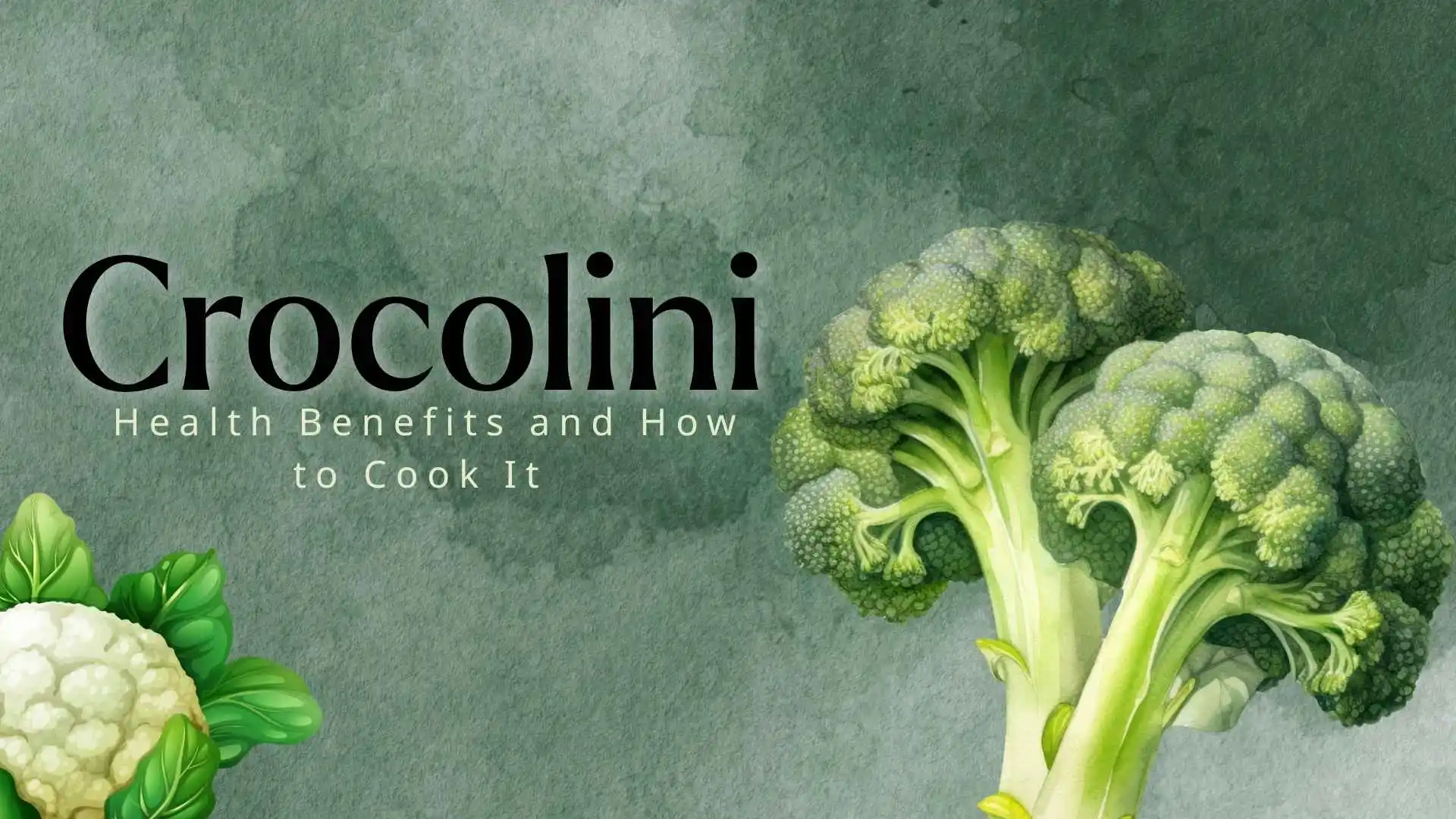
Crocolini is a crossbred vegetable developed by crossing broccoli (Brassica oleracea) with Chinese kale, also known as gai lan (Brassica oleracea var. alboglabra). Contrary to common belief, it is not genetically modified; rather, it was created through traditional plant breeding techniques.
- Long, slender, tender stalks
- Small, loose florets
- Dark green leaves that resemble kale
Unlike conventional broccoli, which has thick stalks and a dense crown, its structure is more delicate. Every part of the plant, stems, leaves, and florets, is edible and tender, eliminating the need for trimming or peeling.
Table of Contents
Flavor and Texture of Crocolini
Crocolini, often called broccolini or baby broccoli, features a delicate and appealing flavor. Unlike traditional broccoli, it has a mild, slightly sweet taste with subtle vegetal notes, making it more approachable for those sensitive to bitterness. Its texture is tender yet pleasantly crisp, with slender stalks that cook quickly and evenly. The small florets offer a soft bite that complements the stems, while the leaves add a gentle leafy dimension. This balance of mild sweetness and tender crunch allows it to pair well with a wide range of seasonings and cooking methods, from steaming to sautéing and roasting.
Nutritional Profile of Crocolini
| Nutrient | Amount per 100g | Health Benefit |
| Vitamin A | 31 µg | Supports vision, immune system, and skin health |
| Vitamin C | 89 mg | Boosts immunity, antioxidant support, and collagen formation |
| Vitamin K | 101 µg | Essential for blood clotting and bone health |
| Calcium | 47 mg | Maintains strong bones and teeth |
| Iron | 0.7 mg | Supports oxygen transport and energy production |
Evidence-Based Health Benefits
- Supports Immune Health: The combination of vitamins A and C enhances immune system performance, helping the body defend against infections and inflammation.
- Promotes Digestive Wellness: Its fiber content supports regular digestion, feeds beneficial gut bacteria, and contributes to long-term digestive health.
- Contributes to Bone Strength: Vitamin K and calcium work synergistically to support bone density and reduce the risk of fractures, especially as part of a balanced diet.
- May Support Cardiovascular Health: Antioxidants and fiber can help regulate cholesterol levels and reduce oxidative stress, both of which are associated with heart health.
Different Cooking Methods of Crocolini
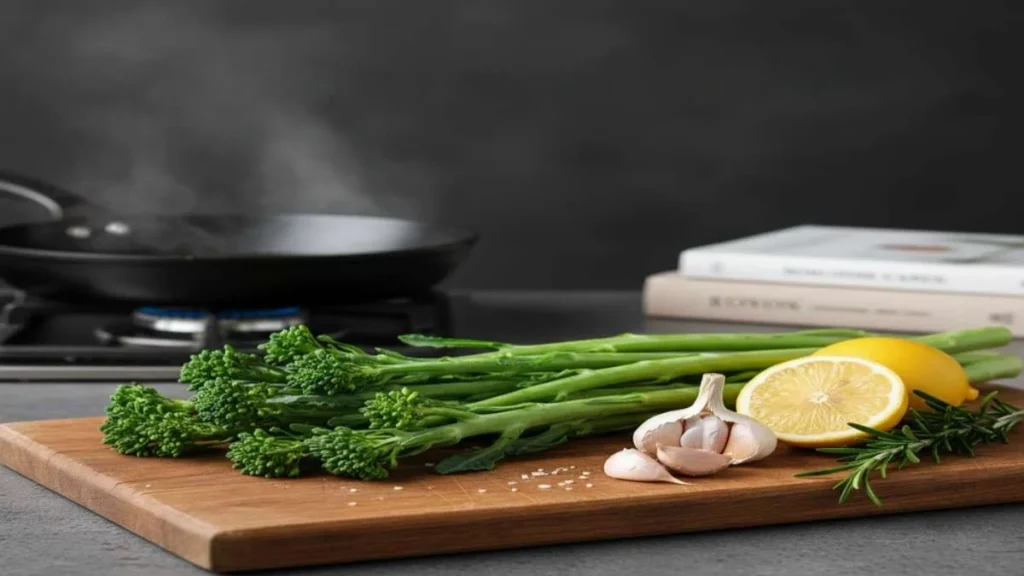
Steaming
Lightly steaming it preserves its vibrant green color and nutritional integrity. This method highlights its natural sweetness and results in a tender yet crisp texture. Steamed, it pairs well with simple seasonings such as olive oil, lemon juice, sea salt, or a light vinaigrette.
Sautéing
Sautéing it with garlic and olive oil is a classic preparation that enhances its savory notes. Because it cooks quickly, it is ideal for weeknight meals where efficiency and flavor are equally important.
Roasting
Roasting it at high heat brings out a deeper, slightly nutty flavor. The florets become lightly crisp while the stalks remain tender. This method works particularly well with bold seasonings such as chili flakes, Parmesan cheese, or balsamic glaze.
Stir-Frying
Thanks to its slender stalks, it is perfectly suited to stir-fries. It absorbs sauces well without losing its structure, making it a valuable addition to Asian-inspired dishes featuring soy sauce, ginger, sesame oil, or oyster sauce.
Grilling
Grilling it adds a subtle smokiness and appealing char marks. A light coating of oil and seasoning is sufficient to transform it into a visually striking and flavorful side dish.
Crocolini in Modern Cuisine
Crocolini’s refined appearance and mild taste have made it a favorite in contemporary cuisine. It is frequently featured in:
- Pasta dishes, paired with garlic, anchovies, chili, and olive oil
- Grain bowls, combined with quinoa, farro, or brown rice
- Salads, either blanched or roasted and served warm
Its versatility also makes it suitable for vegetarian and vegan diets, as well as Mediterranean, Asian, and modern Western cooking styles.
Crocolini vs. Broccoli
| Aspect | Crocolini | Traditional Broccoli |
| Flavor | Mild, slightly sweet | Earthy, sometimes bitter |
| Texture | Tender stems and leaves | Thick stalks, dense florets |
| Edibility | Entire plant edible | Stalk often trimmed |
| Cooking Time | Shorter | Longer |
| Appearance | Long, thin stalks | Compact crown |
Sustainability and Agricultural Considerations
Crocolini is often grown using sustainable farming practices similar to broccoli and kale, thriving in mild climates with efficient resource use. Its full edibility reduces food waste, as stems, leaves, and florets are all consumable. Locally sourced it further minimizes carbon footprint by cutting transportation emissions. Additionally, its shorter cooking time saves energy in meal preparation. Overall, it represents an environmentally conscious choice, combining responsible cultivation with a nutrient-dense, versatile vegetable that supports both health and sustainability goals.
Why Crocolini Continues to Gain Popularity
Crocolini’s growing popularity is not a culinary trend without substance. It reflects a broader shift toward vegetables that are:
- Nutrient-dense yet approachable
- Quick to prepare for modern lifestyles
- Versatile across cuisines
From home kitchens to fine-dining restaurants, it meets the demands of both health-conscious consumers and culinary professionals.
FAQs
1. Is Crocolini the same as broccoli?
No. While it is related to broccoli, it has thinner stems, smaller florets, and a sweeter taste. Unlike broccoli, the entire plant, including stems and leaves, is edible.
2. Can Crocolini be eaten raw?
Yes. It can be eaten raw in salads or as a snack, but light cooking (steaming, sautéing, or roasting) enhances its flavor and digestibility.
3. How do you cook Crocolini?
It cooks quickly and can be steamed, sautéed, roasted, grilled, or added to stir-fries, pastas, salads, or omelets. Its tender stalks make it faster to cook than regular broccoli.
Final Thought
Crocolini is an easy-to-cook and nutrient-rich vegetable valued for its tender texture and mild flavor. Its versatility across cooking methods and full edibility make it a practical choice for everyday meals. Whether prepared simply or used in diverse recipes, it offers a convenient way to add both flavor and nutritional value to a balanced diet.


Social Media Scheduler Guide: Features, Benefits, Best Practices & Tools

Eagle Pose: Quick and Easy Guide

Happy Baby Pose: Benefits, Steps, and Tips for Beginners

Detoxify Your Body and Mind with Dragon Pose: A Step-by-Step Guide

HGH Peptides Buy Online: What to Know Before You Buy Peptides

Printed Mailer Boxes: How Printed Mailer Boxes Improve the Unboxing Experience

How Influencer Packaging Campaigns Boost Brand Awareness

How Outdoor Activities Improve Retirement Quality of Life

Why Businesses Trust TekRevol for Healthcare App Development

Flemington’s Complete Healthcare Network: Top Providers Working Together for Community Wellness

How Shared Workspaces Accumulate Bacteria in Places Nobody Thinks to Clean

How Varifocal Glasses Are Better Than the Rest

How Guests Leave a Space Differently Than Residents and What That Means for Effective Cleaning Practices

Retail Store Layout Mistakes That Cost Businesses Sales

Common Conditions Managed by Rheumatologists in Singapore
-
 GENERAL1 year ago
Christofle – For Those Who Dream of Family Heirloom Silver
-
SPORTS1 year ago
Discover the World of Football with Streameast: Watch Your Favorite Leagues and Tournaments
-
GENERAL7 months ago
Uncovering the World of кинокрадко: The Dark Side of Film Piracy
-
GENERAL4 months ago
Unveiling the Art of преводсч: How Translators Bridge Language Barriers