HEALTH AND FITNESS
Understanding Postpartum Stomach Pain: Causes, Care, and Recovery Tips

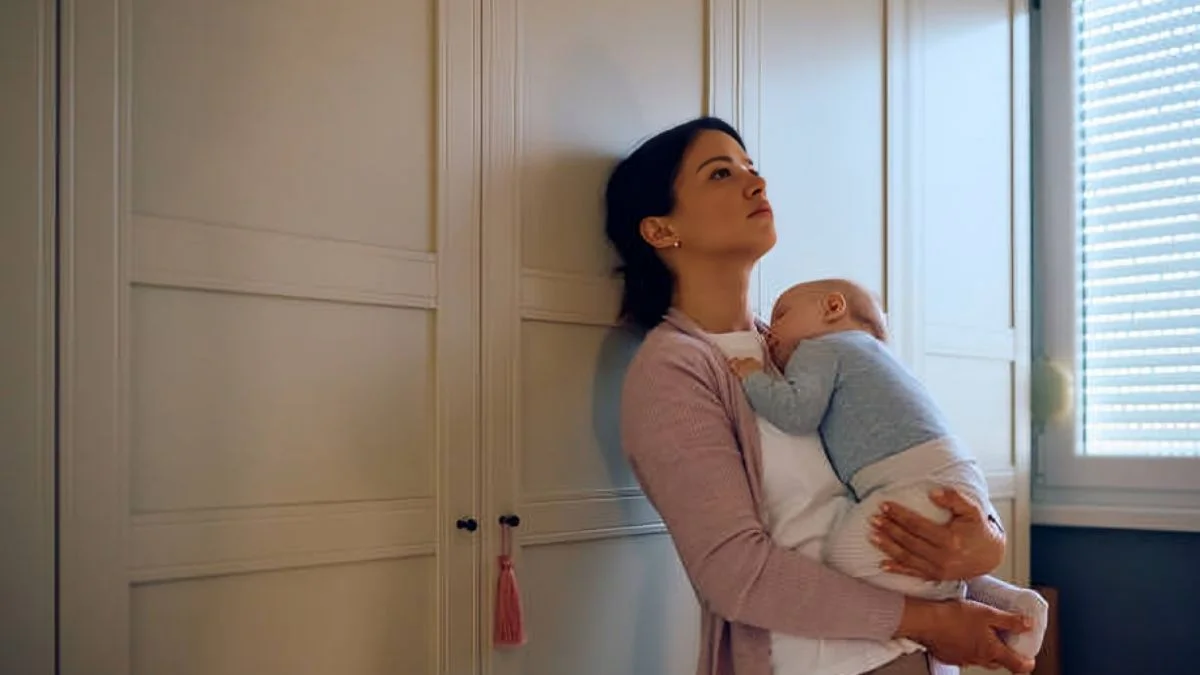
Most of the new mothers are shocked by the extent to which their bodies further change and respond even after delivery, and most of them feel uncomfortable even though they did not anticipate it. Postpartum stomach pain is one of the most widespread issues, and this symptom may be associated with mild cramping to more aching pain, which is influenced by how well the delivery was, how quickly your body heals, and what overall physical changes occurred.
Knowing the reasons, the ways of relief, and the signs of trouble can help to cope with recovery and make it look much more manageable. In this article, you will find out how to check what is standard, various practical methods of alleviating the discharge, and what situations warrant medical attention, providing a feeling of security in case of safe acquisition of postpartum recovery.
Table of Contents
Postpartum Stomach Pain Overview
Postpartum stomach pain is any pain that is experienced in the lower torso after childbirth. This is not a single pain, and it may originate in the uterus, in the abdominal muscles, in the digestive system, or in a surgical wound. Learning the main categories of pain will allow you to manage their treatments.
1. Afterpains
This consists of contractions that are similar to menstrual cramps that occur as the uterus returns to its original size before pregnancy. This process is referred to as involution.
2. Musculoskeletal Pain
Pain resulted from stretched ligaments, weary muscles, and diastasis of abdominal walls.
3. Incision Pain
This is the pain you will feel after a C-section surgery. This includes sharp pains, soreness, and tenderness in the areas of the C-section.
4. Digestive Discomfort
This pain usually includes constipation and general digestive problems that you will experience after giving birth to your baby.
The length of distress is diverse. Afterpains during the initial few days and resolve after the first week, although general aches and muscle fatigue may persist for many weeks.
Causes of Postpartum Stomach Pain
There are various sources of postpartum pain, and knowing more about them will enable you to respond to them accordingly.
Here are the possible causes of your stomach pain:
Uterine Involution
Upon delivery, the uterus becomes smaller as the contracted uterus returns to its standard size. You might experience these afterpains as menstrual cramping, and they can intensify during breastfeeding.
Digestive Changes
When the bowel movement is slow, or if the patient is dehydrated or taking iron supplements, or due to the anesthetic effects, constipation is very high following birth. Sharp abdominal pain can also be caused by the accumulation of gases.
Incision or Muscle Healing C-Section
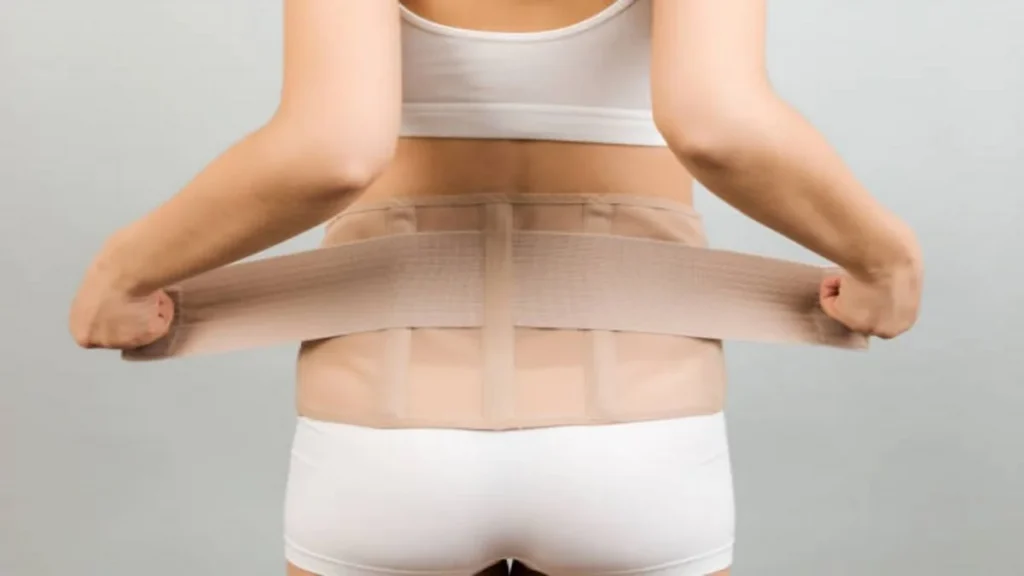
In case of a C-section, the pain can be at the level of the incision, the abdominal muscles, or the healing tissue. Postnatal aids, such as an abdominal belt after delivery, can be used to stabilize the area as an addition and alleviate the pain during movement.
Pelvic Bones Recovery
Vaginal births may cause or tend to strain the pelvic muscles, resulting in pressure in the lower abdomen, cramping, and heaviness.
Infection
There are some rare instances where pain is a sign of infection in the uterus, incision, or urinary tract. A medical professional must never overlook chronic or acute pain.
Symptoms and When Stomach Pain Needs Attention
Although most postpartum stomach pain is normal, some symptoms need to be assessed by a doctor immediately to exclude severe complications.
Here are the typical symptoms that can be treated at home:
- Cramping Pain: Periodic, on and off, cramping that is increased by breastfeeding or exercising.
- Soreness: A low-level pain in the abdominal area, lower part of the abdomen, which is present after a C-section or the first few times walking.
- Constipation: A pain that easily fades after a bowel movement.
Pay attention to the following:
- Sudden and sharp pain in the stomach
- Fever or chills
- Constant constipation over a few days.
- Burning during urination
- Swelling, bleeding, or fluid drainage of a C-section cut.
Any of these may occur, and you need to consult your doctor immediately. This saves complications and helps the healing process be more comfortable.
Home Remedies for Postpartum Stomach Pain
There are home-based pain management techniques that will give you comfort, gentle movement, and facilitation of natural healing mechanisms in your body.
These calm and frequent ways will alleviate your pain:
1. Heat
A Heat pad or a warm water bottle over the lower abdomen can perform miracles with the afterpains. Heat makes the uterine muscles relax and improves the blood circulation.
2. Over-the-counter Pain Relief
Ibuprofen is considered to be generally safe during breastfeeding and provides pain and inflammation relief. Take this, only if recommended by your doctor.
3. Proper Hydration and Fiber
To fight against constipation and gas, consume a lot of water (eight to ten glasses per day), fruits, vegetables, and whole grains
4. Light Movements
Although moisture rest is necessary, brief walks (as little as going around the house) are essential to move the bowel and get rid of the trapped gas.
Medical Treatments and Prevention Tips
Medical intervention is required in situations where the home care is inadequate or the pain is severe. Prevention aims at supporting the body within the first weeks.
1. Medical Treatments
- Painkillers: To reduce severe pain in a C-section, your doctor can prescribe more powerful pain relievers (mostly narcotics) to be used in the short term.
- Antibiotics: In case the pains are a result of an infection (such as endometritis or UTI), antibiotics will be frontlined. The cure is most generally successful.
- V Fluids/Hospitalization: IV antibiotics may need to be administered in the hospital to allow a prolonged period of observation in cases of severe infection or internal bleeding.
2. Long-Term Care and Prevention
- Proper Latch: When breastfeeding, have a proper latch so that one does not experience much pain during the afterpains. The pain will pass quickly.
- Postpartum Therapy: Consult a physical therapist who is an expert in pelvic floors. They can evaluate diastasis recti and prescribe non-harming exercises to restore core strength and chronic pelvic or abdominal pain.
- Listen to Your Body: Healing takes time. Both pain and bloodshed are good warning signs that you should take a seat and have a break. It takes time, and one has to be patient.
Conclusion
The discomfort of postpartum stomach pain is much easier to bear when you realize its origin and recovery becomes much more manageable. Most of the pain is merely an adjustment by your body, your uterus shrinking, muscles curing, hormones changing, and pressure on digestion resuming normalcy. When given a good rest, tender household treatments, and intelligent self-help aids, a lot of moms feel better by the week.
To properly aid this, you must know where the pain is coming from. When something is not right, then it is worth seeking trusted medical advice. Through knowledge and listening to your body, you can go through the postpartum recovery with a lot of confidence and care. In case you have questions about a specific symptom, it is always better to consult your doctor.


Understanding No Limit Telegram: Beyond the Official App

Photeeq: The Ultimate Photography and Editing Platform

Inside Scoop: Dhamaka Zone Celebrity Gossip Uncovered

RTasks EHR: Streamlined Care Management for Facilities

Explore Peñiculs: Holistic Framework for Complete Well-being

Retro Bowl 3kh0 Unblocked: Play the Classic Football Game Anywhere

SkyWestOnline: Complete Guide for SkyWest Employees

Setu Bandhasana Guide: Benefits, Technique & Safety Tips

How a Cooling Vest Helps You Recover After an Intense Workout or Yoga Flow

Top 10 Leading US Bronze CNC Machining Factory

Why Cybersecurity Is Essential for Modern Energy Infrastructure

Yoga Nidra: Deep Relaxation and Mindful Awareness

10 Benefits of Joining Prenatal Yoga Classes Online

TamilYogi: Pirated Tamil Movies & TV Shows

Discover Jadeitový kameň: Symbol of Purity and Strength
-
 GENERAL8 months ago
Christofle – For Those Who Dream of Family Heirloom Silver
-
SPORTS10 months ago
Discover the World of Football with Streameast: Watch Your Favorite Leagues and Tournaments
-
GENERAL2 months ago
Uncovering the World of кинокрадко: The Dark Side of Film Piracy
-
GENERAL5 months ago
ATFBooru: Anime, Gaming, and Subculture Imageboard