
YOGA
Setu Bandhasana Guide: Benefits, Technique & Safety Tips

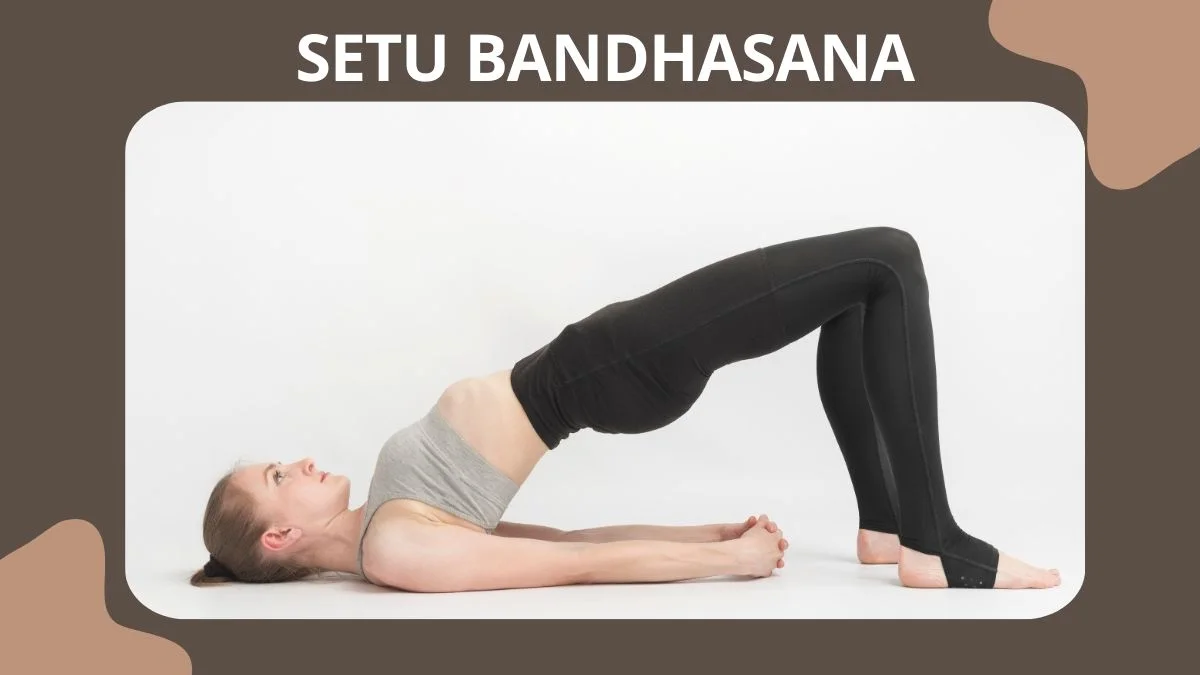
Yoga, an ancient practice rooted in physical postures, breath control, and mindfulness, offers a wide range of poses to enhance strength, flexibility, and mental well-being. One such posture is Setu Bandhasana, commonly known as Bridge Pose. Recognized for its therapeutic and strengthening properties, this asana provides both physical and psychological benefits when performed correctly.
Table of Contents
Understanding Setu Bandhasana
Setu Bandhasana is classified as a backbend or chest-opening yoga pose. The term derives from Sanskrit: “Setu,” meaning bridge, “Bandha,” meaning lock, and “Asana,” meaning posture. The name is descriptive of the body’s shape in this pose, forming a bridge with the torso lifted while the feet and shoulders remain grounded.
Unlike advanced backbends, Bridge Pose is accessible to most practitioners, including beginners, making it a versatile addition to yoga routines. It emphasizes a controlled lifting of the hips, creating space along the front body and stimulating spinal flexibility.
Step-by-Step Technique
Proper alignment is essential for maximizing the benefits and minimizing the risks associated with Setu Bandhasana.
- Starting Position: Lie flat on your back with arms resting alongside the body, palms facing downward. Bend your knees, bringing your heels close to the sitting bones.
- Feet and Leg Placement: Keep your feet hip-width apart and parallel, ensuring weight distribution is even.
- Engage Core and Glutes: Press your heels into the floor while engaging your glutes and core muscles.
- Lift Hips: Slowly raise the hips toward the ceiling, maintaining a straight line from knees to shoulders. Avoid overworking the lower back.
- Shoulder Support: Clasp hands under the body if comfortable, rolling shoulders slightly inward to stabilize the posture.
- Breathing: Maintain slow, deep, and even breaths. Hold the posture for 20–30 seconds initially, gradually increasing duration with practice.
- Release: Lower the hips gently back to the floor, allowing the spine to return to a neutral position. Rest for a few moments before repeating if desired.
Key Muscles Engaged
Setu Bandhasana targets multiple muscle groups:
- Gluteus Maximus: Lifting the hips strengthens the glute muscles, enhancing hip stability.
- Hamstrings and Thighs: The posterior leg muscles are actively engaged to maintain balance and alignment.
- Spinal Extensors: Muscles along the back are strengthened, promoting spinal integrity.
- Chest and Shoulder Flexors: The chest opens as the shoulders press into the mat, improving thoracic mobility.
- Core Muscles: Abdominal engagement helps support the lower back and maintain posture.
Benefits of Bridge Pose
Setu Bandhasana offers a range of physical and mental benefits that extend beyond yoga mat.
1. Strengthening and Toning
Regular practice strengthens the back, glutes, and thighs. Enhanced muscle tone supports better posture, reduces the risk of lower back pain, and contributes to functional strength for daily activities.
2. Spinal Flexibility
The gentle backbend encourages spinal extension, improving flexibility and relieving stiffness in the thoracic and lumbar regions. This can be particularly beneficial for individuals who spend extended periods sitting.
3. Hip and Chest Opening
By lifting the hips and extending the chest, the pose stretches the hip flexors, intercostal muscles, and pectorals. This release alleviates tension accumulated from prolonged sitting and sedentary habits.
4. Stress Reduction and Relaxation
The mild inversion effect of the Bridge Pose helps calm the nervous system. Deep, controlled breathing in this posture can reduce stress levels and promote relaxation, making it effective for mental well-being.
5. Relief from Mild Back Pain
Bridge Pose may alleviate minor back discomfort by strengthening spinal support muscles and stretching tight hip flexors. However, individuals with severe spinal injuries should avoid this pose.
6. Support for Postural Correction
Engaging the core and back muscles in Bridge Pose encourages better alignment, which may correct slouched posture over time. This effect is amplified when incorporated into a balanced yoga routine.
7. Fatigue Relief
By stimulating circulation and opening the chest, Setu Bandhasana increases oxygen flow and energizes the body. Practitioners often report reduced fatigue and increased vitality after performing the pose.
Precautions and Contraindications
While Bridge Pose is generally safe, certain conditions warrant caution:
- Neck or Shoulder Injuries: Avoid if there is acute pain, recent injury, or instability in these regions. Improper support may exacerbate damage.
- Severe Back Conditions: Individuals with herniated discs or spinal fractures should refrain from this posture.
- High Blood Pressure or Heart Issues: Consult a healthcare provider before attempting any backbend.
- Pregnancy: Modified versions with props may be used, but direct pressure on the abdomen should be avoided.
Modifications and Props
For enhanced accessibility and safety, practitioners can use props such as:
- Yoga Blocks: Placed under the sacrum to support the hips, reducing strain on the back.
- Straps: Around thighs to prevent knees from splaying outward.
- Blankets: Under shoulders to improve comfort and prevent neck compression.
These modifications allow beginners, seniors, and individuals with limited flexibility to experience the benefits safely.
Integration into a Yoga Routine
Bridge Pose pairs well with complementary asanas:
- Before: Gentle stretches like Supta Baddha Konasana (Reclined Bound Angle Pose) or Cat-Cow to warm up the spine.
- After: Counterposes like Setu Bandha variation to supine twists or Shavasana (Corpse Pose) help neutralize spinal extension.
Including Setu Bandhasana in a well-rounded yoga sequence balances strength, flexibility, and relaxation.
Conclusion
Setu Bandhasana, or Bridge Pose, exemplifies the harmonious blend of strength, flexibility, and mindfulness that yoga offers. When executed properly, this posture strengthens the lower body, stretches the chest and hip flexors, supports spinal health, and promotes mental relaxation. While mindful precautions are essential for those with injuries or specific health conditions, Bridge Pose remains a versatile, beneficial, and accessible asana for most practitioners. By integrating it thoughtfully into a yoga routine, individuals can enhance both physical vitality and mental resilience.


Setu Bandhasana Guide: Benefits, Technique & Safety Tips

Why Cybersecurity Is Essential for Modern Energy Infrastructure

Yoga Nidra: Deep Relaxation and Mindful Awareness

10 Benefits of Joining Prenatal Yoga Classes Online

TamilYogi: Pirated Tamil Movies & TV Shows

Discover Jadeitový kameň: Symbol of Purity and Strength

Discover Mannacote: The Natural Alternative to Chemical Preservatives

Why Many Americans Purchase HGH in Mexico

Parvatasana Guide: Classical Roots & Modern Practice

Master Bhujangasana: Backbend Technique Explained

Messagenal and the Science of Clear Messaging

How Advanced Tooth Restoration Can Improve Oral Function

BCN Play OTT: Basic & Platinum Streaming Bundles

How Much Does Hair Transplant Cost in UAE

What is Chin Mudra? Discover Its Meaning and Health Benefits
-
 GENERAL8 months ago
Christofle – For Those Who Dream of Family Heirloom Silver
-
SPORTS10 months ago
Discover the World of Football with Streameast: Watch Your Favorite Leagues and Tournaments
-
GENERAL2 months ago
Uncovering the World of кинокрадко: The Dark Side of Film Piracy
-
GENERAL5 months ago
ATFBooru: Anime, Gaming, and Subculture Imageboard