
SPORTS
Modern Trends in Sports Court Construction and Maintenance

Key Takeaways
- Sustainability and eco-friendly materials are now fundamental in court design and construction.
- Innovative technologies, such as smart surface systems and energy-efficient lighting, enhance the athletic experience and improve management.
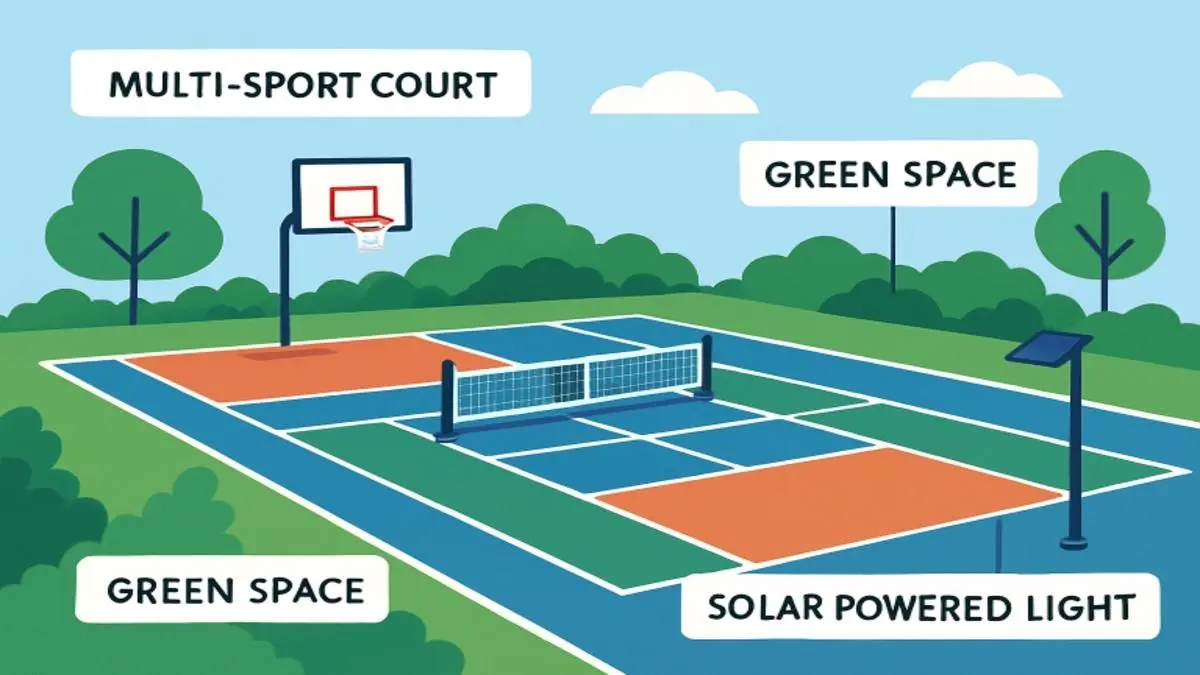
- Flexible court designs enable multi-sport use and respond to evolving community needs and budget constraints.
Modern sports court construction is experiencing rapid change, driven by technological advancement, environmental awareness, and a growing emphasis on player experience. These changes are making sports courts more efficient, visually dynamic, and environmentally responsible, thereby improving performance and enhancing community appeal. Facility managers, athletes, and homeowners aiming for state-of-the-art courts are prioritizing innovation in their decision-making. Learn more about how these emerging trends can benefit your sports facility, whether new or existing.
Upgrading a sports court means more than improved play. Sustainable practices and smart technologies are being integrated to minimize manual upkeep and maximize energy savings. Thoughtful design now accommodates multiple sports in a single space, answering the need for flexibility and space efficiency in both public and private venues.
Table of Contents
Embracing Sustainability in Court Construction
Sustainability is at the forefront of contemporary sports court design. Builders are selecting recycled or sustainably sourced materials, including recycled rubber and composite plastics, for surfaces. These choices lessen construction’s environmental footprint while delivering high-performance results. Energy-efficient features, such as solar-powered lighting and climate-adaptive turf, reduce energy bills and carbon emissions, all while maintaining top-tier playing conditions. Water-saving systems, such as permeable pavers and rainwater harvesting, not only meet regulatory requirements but also support cost-effective, long-term operations, making such an investment extremely attractive.
Technological Innovations Enhancing Performance
Advancements in court technology are revolutionizing the player and manager experience. Embedded sensors within smart surfaces capture real-time data on usage, impact, and surface integrity. This helps guide both performance analysis for coaches and maintenance schedules for facility operators. Features like these are complemented by energy-conscious lighting solutions. LED systems now dominate court installations, offering longer lifespans, brighter illumination, and substantial cost savings over traditional bulbs. These integrated solutions deliver an elite sports experience and help venues achieve operational excellence.
Designing Multi-Functional and Customizable Courts
Modern courts are not universally standard; rather, they offer flexibility by serving as venues for various sports. They incorporate features such as adjustable nets, portable hoops, and interchangeable court markings. This trend is particularly beneficial for community centers and schools that need to accommodate diverse programming within limited spaces. Multi-functional courts enhance space utilization, reduce infrastructure costs, and increase community participation by offering year-round activities. This adaptability is becoming a standard in the industry, rather than just a desirable feature.
Prioritizing Player Safety with Advanced Materials
Innovative materials and construction techniques are improving athlete safety. Cushioned acrylic surfaces and modular tiles with built-in shock absorption offer a significant reduction in impact stress, reducing the risk of common joint and muscle injuries. Enhanced grip and moisture-management features also help prevent slips, ensuring consistent performance even in adverse weather or during long gameplay sessions. These safety enhancements are making sports courts accessible to athletes of all ages and skill levels, promising longer and healthier play time.
Enhancing Aesthetic Appeal and Community Engagement
Aesthetics play a critical role in sports court design, influencing both engagement and community pride. Custom designs, color schemes, and logos are used to reflect local spirit and unique branding. Landscape enhancements, including green spaces, seating arrangements, and shaded gathering areas, create spaces that are as enjoyable for spectators as they are for players. Vibrant LED lighting further enhances court visibility during evening activities, attracting participants and fostering a sense of belonging.
Integrating Smart Technologies for Efficient Management
Sports court management today relies on cutting-edge technologies to streamline operations. Automated lighting systems, digital irrigation controls, and centralized audio solutions are now standard features in premium courts. Smart monitoring platforms allow real-time tracking of player activity and surface conditions. These innovations simplify maintenance by sending alerts for necessary repairs or surface cleaning, reducing downtimes and extending the court’s active lifespan. Facility managers reap the benefits, making well-informed, timely decisions that keep the focus on play and community satisfaction.
Focusing on Durability and Low-Maintenance Surfaces
Long-lasting court surfaces are a top priority, particularly in high-traffic public venues and schools. Modern construction materials, such as advanced acrylics, synthetic turf, and robust modular tiles, are engineered to withstand heavy use and harsh conditions. These options resist fading, cracking, and warping, keeping courts in playable condition for years with minimal maintenance. Such materials represent a smart investment, supporting higher usage rates and lower replacement costs in the future.
Conclusion
The transformation of sports court construction and maintenance is grounded in a commitment to sustainability, innovation, and the overall athlete experience. As new materials and smart management tools become the norm, these changes enable facilities to remain competitive, user-friendly, and relevant for years to come. By keeping pace with these trends, facility owners and managers can ensure their venues serve both present and future generations of athletes and community members.


What is Kundalini

Discover the Different Types of Yoga Breathing Techniques

Modern Trends in Sports Court Construction and Maintenance

Invisible Orthodontics: Modern Solutions for Straighter Smiles

Why EN14960 Certification Is Important for Inflatable Businesses?

Master the Fly Pose: A Step-by-Step Guide for Yoga Enthusiasts

Partner Yoga Poses: A Journey of Connection, Trust, and Balance

Unlocking the Healing Power of Tibetan Singing Bowls: A Comprehensive Guide

Kundalini Awakening: Balancing Energy Through Yoga

PPC Marketing for Dentists, How to Write Ad Copy that Matches Real Patient Fears and Wins Clicks

Yalla Choy: Nutritional and Versatile Leafy Green Vegetable

Yoga Exercises: Benefits, Types, and Safe Practice Guide

Black Letterboxes: The Minimalist & Functional Design for Your Front Door

Hospital Cleaning Services: Ensuring Hygiene and Safety in Healthcare Facilities

Solar Plexus Chakra: Meaning, Power, and Inner Confidence
-
 GENERAL9 months ago
Christofle – For Those Who Dream of Family Heirloom Silver
-
SPORTS11 months ago
Discover the World of Football with Streameast: Watch Your Favorite Leagues and Tournaments
-
GENERAL3 months ago
Uncovering the World of кинокрадко: The Dark Side of Film Piracy
-
GENERAL5 months ago
ATFBooru: Anime, Gaming, and Subculture Imageboard