
GENERAL
Leet Coffee: Redefining Automated Specialty Coffee in the GCC

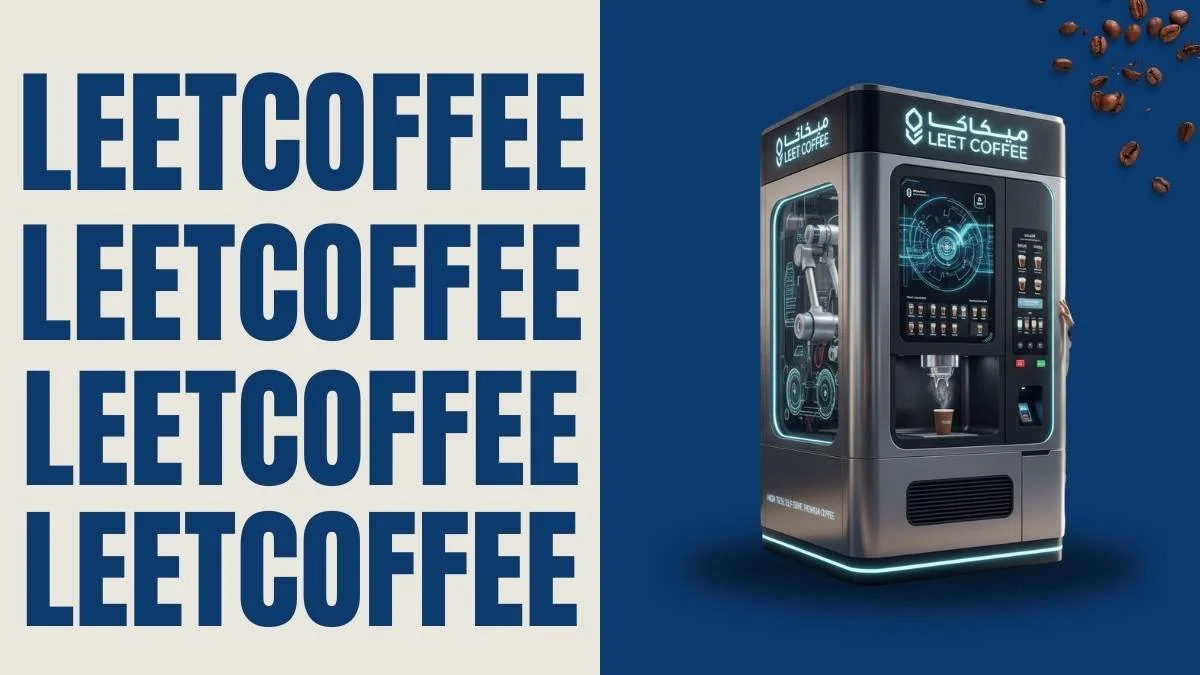
The specialty coffee industry has traditionally been defined by craftsmanship, barista skill, and curated café environments. However, technological advancement is reshaping how premium beverages are delivered, particularly in high-traffic commercial settings. Leet Coffee is positioned within this shift as a specialty coffee technology company based in the Middle East, focused on high-tech, self-serve vending systems that combine fresh-ground coffee with automated precision.
Table of Contents
The Concept Behind Leet Coffee
Leet Coffee was founded to modernize access to coffee in Kuwait and the surrounding GCC markets. The company identified a key gap: while specialty cafés were expanding, many public and corporate spaces still relied on instant coffee or outdated vending solutions. This created an opportunity to introduce premium, freshly ground coffee through automated systems that maintain quality without on-site barista staffing.
The company’s operational model is built around three principles:
- Fresh-ground coffee prepared on demand
- Automation-driven consistency
- Scalable deployment across commercial environments
This framework allows Leet Coffee to operate at the intersection of specialty beverage culture and smart retail infrastructure.
Technology Infrastructure and Machine Capabilities
A defining feature of Leet Coffee is its investment in high-performance vending technology. Unlike traditional vending machines that use pre-packaged coffee mixes, Leet Coffee systems incorporate built-in grinders and calibrated brewing mechanisms.
On-Demand Grinding and Extraction
Beans are ground immediately before brewing, preserving volatile aromatic compounds that are typically lost in pre-ground coffee. Extraction parameters such as water temperature, pressure, and brewing time are programmed to align with specialty coffee standards. This allows each beverage to maintain consistency across locations.
Integrated Milk Systems
For milk-based drinks such as lattes and cappuccinos, automated milk texturing systems are integrated into the machines. These systems control temperature and foam density, minimizing variability between servings.
Digital Interface and Customization
Touchscreen interfaces allow users to select drink types, adjust strength levels, and modify milk ratios. In some deployments, contactless payment integration supports mobile wallets and digital transactions, an increasingly important feature in GCC markets where cashless adoption is accelerating.
Remote Monitoring and Analytics
Machine connectivity enables centralized monitoring. Operators can track bean levels, maintenance requirements, and usage patterns in real time. This data-driven approach improves operational efficiency and reduces service interruptions.
Market Context: Coffee Culture in Kuwait and the GCC
Coffee consumption in Kuwait and neighboring GCC countries has evolved significantly over the past decade. The region has witnessed rapid growth in specialty cafés, third-wave roasting practices, and consumer awareness of origin-based beans.
However, several structural realities influence coffee consumption patterns:
- High commuter traffic in commercial districts
- Expanding university populations
- Large corporate office environments
- Airports and transit hubs with 24-hour demand
In such spaces, traditional cafés may not always be feasible due to staffing costs, operational hours, or spatial constraints. Leet Coffee’s automated model addresses this by delivering barista-style beverages in locations where full café operations may not be practical.
Operational Efficiency and Business Model
From a business perspective, Leet Coffee’s vending-based system reduces overhead associated with staffing and retail fit-outs. Key operational advantages include:
- Lower labor dependency
- Controlled ingredient dosing
- Centralized quality management
- Faster service throughput
For property owners and corporate clients, this model offers a predictable beverage solution without the complexity of running a café. For end users, it provides immediate access to premium coffee in workplaces, educational institutions, and public venues.
Balancing Automation and Craftsmanship
A frequent critique of automated coffee systems is that they lack the artistry of manual preparation. Leet Coffee’s model addresses this concern through engineering rather than human variability. By calibrating grind size, extraction time, and water pressure, the machines replicate standardized specialty brewing conditions.
While automation removes the human barista from the immediate process, it also eliminates inconsistencies caused by varying skill levels or fatigue. In high-volume environments, this level of consistency can be considered an operational advantage rather than a compromise.
User Experience and Accessibility
Consumer expectations in the GCC increasingly emphasize speed, digital integration, and reliability. Leet Coffee machines are designed with these factors in mind:
- Quick beverage preparation times
- Intuitive digital displays
- Clear drink selection menus
- Consistent flavor profiles
This accessibility broadens the reach of specialty coffee beyond boutique cafés, introducing premium beverages to users who may not otherwise seek out artisanal environments.
Sustainability Considerations
Sustainability has become a critical component of modern food and beverage operations. Automated vending models can support sustainability goals in several ways:
- Precise portion control, reducing ingredient waste
- Energy-efficient brewing cycles
- Centralized supply chain management
However, sustainability outcomes depend on sourcing practices and packaging decisions. Continued alignment with responsible coffee sourcing standards and environmentally conscious materials will be essential for long-term industry credibility.
Competitive Landscape and Industry Trends
The rise of smart vending technology is not unique to coffee. Automated retail solutions are expanding globally across the food, beverage, and convenience sectors. In the coffee segment specifically, trends influencing companies like Leet Coffee include:
- Growth of specialty coffee consumption
- Demand for contactless retail experiences
- Integration of IoT-enabled devices
- Data-driven consumer personalization
Leet Coffee’s positioning within Kuwait and the GCC aligns with these macro trends, reflecting regional openness to technological innovation and premium consumer experiences.
Challenges and Strategic Considerations
Despite its innovative model, Leet Coffee faces several industry challenges:
1. Consumer Perception
Some specialty coffee enthusiasts may still associate quality with manual barista preparation.
2. Technical Maintenance
High-tech vending systems require consistent servicing and software oversight.
3. Market Competition
Both international café chains and emerging smart vending providers compete for commercial placement opportunities.
Strategic expansion, technological refinement, and sustained quality control will play central roles in maintaining competitive differentiation.
Conclusion
Leet Coffee represents a contemporary model within the specialty coffee ecosystem—one that merges fresh-ground quality with high-tech, self-serve automation. By operating in Kuwait and the GCC, the company addresses regional demand for premium beverages delivered through efficient, contactless systems.


Leet Coffee: Redefining Automated Specialty Coffee in the GCC

Joseph Patrick Roop: A Conservative Tool for Portfolio Stability

Scrolller: Clean Interface for Fast Multimedia Browsing

Classroom20x: Future of Hybrid Learning Explained

Exploring the World of Futbolear: A Comprehensive Guide

LeahRoseVIP: Trusted Lifestyle Magazine for Holistic Wellbeing

Sash Window Locks and Noise Reduction in Cities

Secure Rooms in Shared Offices with Door Security Chains

What Is Slow Flow Yoga? Slow Flow Yoga Sequence for Beginners

SpeedyShort.com: Simplify Links & Track Performance with Ease

The Reason Why a Primary Care Provider Is Useful in Enhancing Long-Term Health Outcomes in Garland, TX

United Airlines Flight UA770 Emergency Diversion: A Model Case in Aviation Safety

How Consistent Wellness Routines Can Transform Daily Life

Blessed Upgrade Scroll Guide for MMORPG Players

JR Geo: Hands-On Geography for Curious Kids
-
 GENERAL8 months ago
Christofle – For Those Who Dream of Family Heirloom Silver
-
SPORTS10 months ago
Discover the World of Football with Streameast: Watch Your Favorite Leagues and Tournaments
-
GENERAL2 months ago
Uncovering the World of кинокрадко: The Dark Side of Film Piracy
-
GENERAL4 months ago
ATFBooru: Anime, Gaming, and Subculture Imageboard