HOME IMPROVEMENT
Eco-Friendly Recirculating Cooker Hoods for Sustainable Kitchens

Introduction
The kitchen is at the centre of the shift toward sustainability as a distinguishing characteristic of contemporary house design. Today’s homeowners are actively searching for methods to lower energy use, enhance indoor air quality, and select appliances that support eco-friendly living. The cooker hood is one kitchen device that has a surprisingly significant impact on sustainability. Recirculating cooker hood that are environmentally friendly are becoming more and more well-liked as a useful substitute for conventional ducted systems. These hoods promote energy economy while preserving a clean and cozy cooking environment by cleaning and reusing inside air instead of releasing it outside.
Table of Contents
A Recirculating Cooker Hood: What Is It?
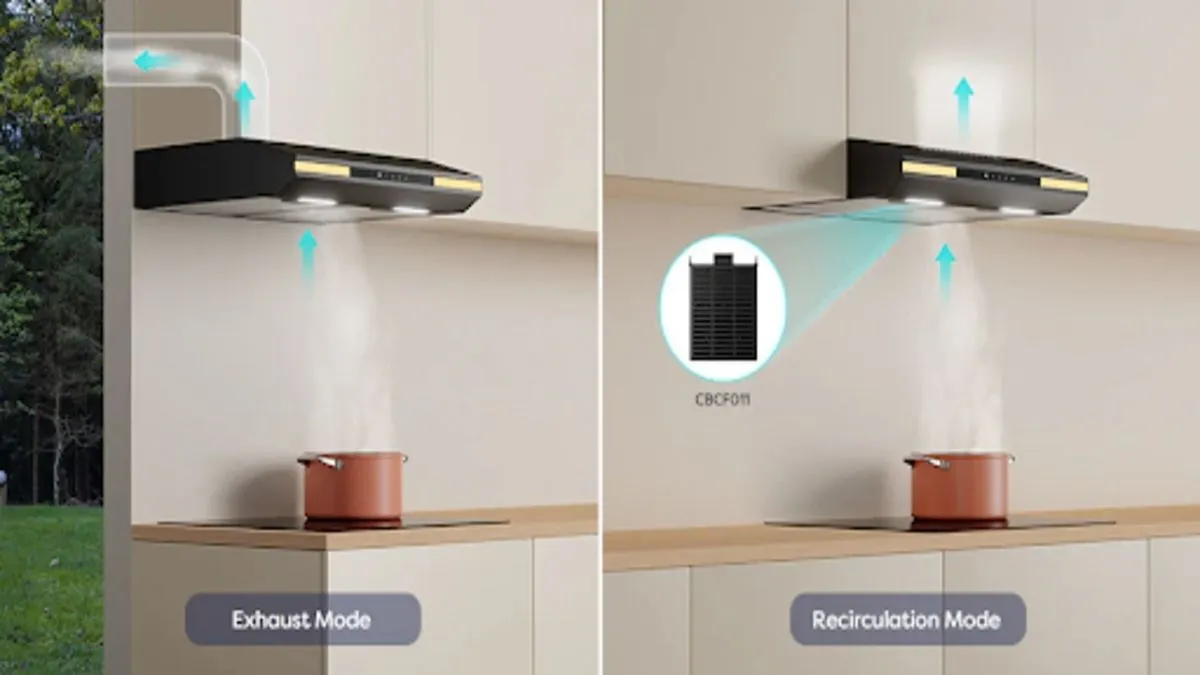
Cooking fumes, oil, smoke, and other aromas are drawn in by a recirculating cooker hood, which filters the air within before returning the purified air to the kitchen. Instead of relying on external ducting, the system uses a combination of grease filters and activated carbon filters to purify the air.
Recirculating cooker hoods are particularly well-suited for flats, urban residences, and kitchen renovations when structural alterations are minimal, since they eliminate the need for external ventilation. They are a popular option for contemporary, eco-friendly kitchens because of their adaptability. In addition to improving general health, cleaner air also lessens the accumulation of contaminants on kitchen surfaces.
Energy-Saving Features to Consider
Low-energy motors that provide powerful airflow while consuming less electricity are frequently seen in environmentally friendly recirculating cooker hoods. In addition to using less electricity, efficient motors offer quieter operation, which improves the ambience in the kitchen. For efficient odour control, premium activated carbon filters are necessary. Long-lasting filters require fewer replacements, which eventually reduces waste. Additionally, some contemporary designs encourage sustainable living practices by providing washable or recyclable filter alternatives.
LED lighting is another important feature. LED lights use less energy, generate less heat, and have a far longer lifespan than conventional bulbs. While cooking, this minor feature helps to save energy and increase vision.
Design Flexibility and Modern Aesthetics
With eco-friendly appliances, functionality doesn’t have to be sacrificed for elegance. A variety of contemporary designs, such as glass finishes, sleek stainless steel, and minimalist integrated forms, are available for recirculating cooker hoods. Particularly in modern kitchens, its adaptability enables homeowners to preserve open layouts and clean lines. These hoods provide more kitchen layout flexibility because they don’t require external ducting. Because of this, they are perfect for small layouts, kitchen islands, and open-plan areas where conventional ventilation would not be feasible.
Long-Term Value and Installation
Recirculating cooking hoods are frequently easier and less expensive to install than ducted systems. By eliminating exterior vents, labour time is decreased and costly and ecologically hazardous structural alterations are avoided.
Over the long term, energy savings and reduced maintenance needs contribute to strong overall value. A recirculating cooker hood may operate reliably for many years with the right filter maintenance and routine cleaning. Companies like Ciarra One are well-liked by homeowners looking to invest in sustainable kitchen solutions because they combine modern style, durability, and efficiency.
Upkeep for Continuous Effectiveness
The eco-friendly advantages of a recirculating cooker hood must be maintained. While carbon filters should be changed in accordance with manufacturer recommendations, grease filters should be cleaned on a regular basis to avoid airflow obstruction. Another important advantage of sustainability is better indoor air quality. By capturing grease particles and eliminating smells, contemporary filtration systems improve the health of the kitchen.
Regular upkeep guarantees that the hood will continue to run well, producing clean air with less energy use. In addition to improving performance, a well-maintained system prolongs the appliance’s life, cutting down on waste and replacement expenses.
Conclusion
Thoughtful decisions are the foundation of sustainable kitchen design, and ventilation should never be disregarded. An efficient method of enhancing indoor air quality while lowering energy loss and environmental impact is to use eco-friendly recirculating cooker hoods. They are the perfect option for today’s eco-conscious houses because of their effective design, adaptable installation, and contemporary aesthetics. Selecting a recirculating cooker hood from a reputable company like Ciarra One is a wise move toward a cleaner, more energy-efficient, and sustainable kitchen, whether you are remodelling an existing one or designing a new one. With the correct features and upkeep, this easy update may have a significant impact on the environment and your house.


Eco-Friendly Recirculating Cooker Hoods for Sustainable Kitchens

AHGRL in AI: Scalable Graph-Based Reinforcement Learning

Do a Barrel Roll: Iconic Gaming Phrase and Google Trick

Google Doodle Today: Culture, History, and Innovation

Slylar Box: Modular & Smart Storage for Modern Spaces

Video&A: Boost Engagement with Interactive Video Content

Sodziu: Heart of Traditional Lithuanian Countryside

Why Consistent Cleaning Is Essential for Chicago Apartments

Common Surgical Applications of DHS/DCS Plate Systems

Why Leather Floggers Are Popular Among Women

Dechecker AI Checker: Writing That Holds Up Under Real Review

Recyclatanteil: Measuring the Share of Recycled Material

Walking Yoga: A Blend of Movement and Mindfulness

Sumosearch: AI-Driven Search Engine

NLPadel: Pioneering the Growth of Padel
-
 GENERAL8 months ago
Christofle – For Those Who Dream of Family Heirloom Silver
-
SPORTS9 months ago
Discover the World of Football with Streameast: Watch Your Favorite Leagues and Tournaments
-
GENERAL1 month ago
Uncovering the World of кинокрадко: The Dark Side of Film Piracy
-
GENERAL4 months ago
ATFBooru: Anime, Gaming, and Subculture Imageboard