
GENERAL
Do Cats Fart? A Scientific and Behavioral Look at Feline Gas

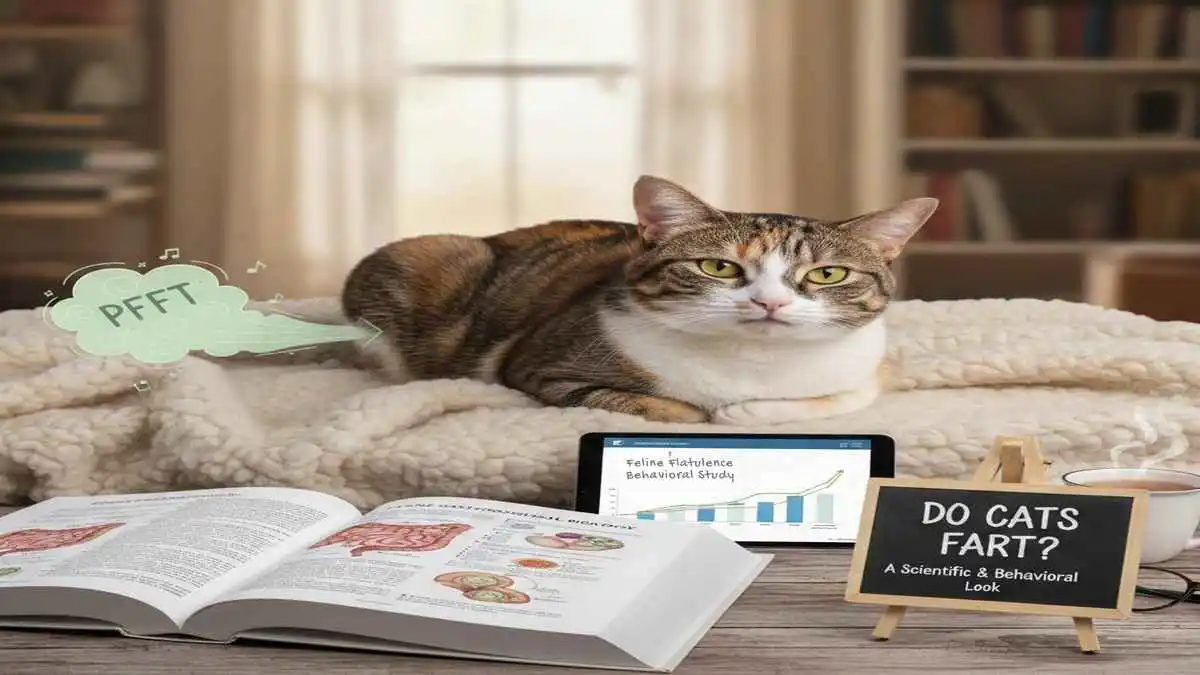
The question “Do cats fart” often comes up half-jokingly among cat owners, usually after an unexpected smell or an oddly timed noise. Despite its humorous framing, the topic touches on an important area of feline health: digestion. Gas production, even when minimal, can reveal how well a cat’s digestive system is functioning and whether subtle issues are developing beneath the surface.
Table of Contents
Do Cats Fart? The Honest Biological Answer
Yes, cats do fart, but not in the way most people imagine. Flatulence in cats is typically infrequent, quiet, and often odorless. Many cat owners go years without ever noticing it. This is not because cats are incapable of producing gas, but because their digestive physiology minimizes it.
When noticeable gas does occur, it is usually a secondary sign, not a primary condition. In veterinary practice, gas alone is rarely the presenting complaint; other digestive changes almost always accompany it.
Why Cat Flatulence Is Rare Compared to Other Pets
Understanding why cat gas is uncommon requires looking at how cats evolved to eat and digest food.
Obligate Carnivore Design
Cats are obligate carnivores, meaning their digestive systems are designed almost exclusively for animal-based proteins and fats. Unlike omnivores, they lack the enzymatic capacity to process large amounts of carbohydrates or plant matter efficiently. This matters because gas is primarily produced when gut bacteria ferment undigested carbohydrates.
Short and Efficient Gastrointestinal Tract
Cats have a relatively short intestinal tract. Food passes through quickly, leaving less time for bacterial fermentation, the process responsible for gas production. In healthy cats, most digestion occurs before food reaches the colon, where gas-forming bacteria live.
Gas Absorption Over Expulsion
A significant portion of gas produced in cats is absorbed into the bloodstream and expelled through respiration rather than through the rectum. This physiological trait explains why cats can produce gas internally without obvious external signs.
When and Why Cats Produce Gas
While rare, feline flatulence does happen. When it does, it is almost always linked to a specific trigger.
Dietary Composition
The most common reason cats develop gas is dietary mismatch, food that does not align with their biological needs. Contributing factors include:
- High carbohydrate content
- Excessive fiber
- Poor-quality fillers
- Sudden food changes without transition
Even premium foods can cause gas if they contain ingredients a specific cat cannot tolerate.
Food Sensitivities (Not Always Allergies)
Many cats experience food intolerances rather than true allergies. These intolerances can lead to incomplete digestion, allowing undigested material to reach the colon and ferment. Protein sources are frequent culprits, especially when rotated too frequently.
Air Swallowing During Feeding
Cats that eat rapidly, particularly those in multi-pet households, may swallow air while eating. This swallowed air can later be released as gas, although it is usually mild and temporary.
Underlying Gastrointestinal Conditions
In clinical settings, increased gas may accompany conditions such as:
- Inflammatory bowel disease (IBD)
- Intestinal parasites
- Bacterial imbalance (dysbiosis)
- Malabsorption syndromes
In these cases, gas is rarely the only symptom.
Signs That Feline Gas Is Not Normal
Occasional, mild gas is generally harmless. However, persistent flatulence combined with other changes should not be ignored. Warning signs include:
- Strong or unusually foul odor
- Visible abdominal discomfort
- Chronic diarrhea or soft stools
- Vomiting or frequent hairball regurgitation
- Reduced appetite or unexplained weight loss
- Behavioral changes such as hiding or irritability
When these signs appear together, gas becomes a signal, not a curiosity.
Clinical Perspective: How Veterinarians View Cat Gas
From a veterinary standpoint, flatulence is considered a supporting symptom, not a diagnosis. During evaluation, veterinarians focus on identifying what is disrupting digestion rather than treating gas itself.
Diagnostic approaches may include:
- Fecal examinations for parasites
- Diet history analysis
- Controlled elimination diets
- Bloodwork to assess systemic health
- Imaging if structural issues are suspected
The goal is to restore normal digestion, at which point gas typically resolves on its own.
Managing and Reducing Gas in Cats
For otherwise healthy cats, management focuses on supporting digestive efficiency rather than suppressing symptoms.
Stabilizing the Diet
- Avoid frequent food changes
- Choose diets with clearly defined protein sources
- Limit unnecessary carbohydrates
- Transition foods gradually over at least one week
Supporting Gut Health
Veterinarian-recommended probiotics may help rebalance gut bacteria, especially after illness or dietary changes. These should be used cautiously and only when appropriate.
Improving Feeding Behavior
- Separate pets during meals to reduce competition
- Use slow-feeding bowls if rapid eating is observed
- Offer smaller, more frequent meals when needed
Common Misunderstandings About Cat Flatulence
“Cats shouldn’t fart at all.”
False. They can and do, just less often.
“Gas always means bad food.”
Not necessarily. Stress, illness, and feeding behavior also play roles.
“If it smells bad, it’s an emergency.”
Odor alone is not diagnostic. Context and accompanying symptoms matter.
So, Do Cats Fart? Final Thoughts
The answer to “do cats fart” is yes, but the more important takeaway is why and when it happens. In healthy cats, flatulence is uncommon and usually insignificant. When it becomes noticeable, it often reflects digestive imbalance rather than a standalone problem. By understanding the biological reasons behind feline gas, cat owners can better recognize what is normal, what is temporary, and what warrants professional evaluation. Paying attention to subtle digestive changes is one of the most effective ways to protect long-term feline health.


Yoga Nidra: Deep Relaxation and Mindful Awareness

TamilYogi: Pirated Tamil Movies & TV Shows

Discover Jadeitový kameň: Symbol of Purity and Strength

Discover Mannacote: The Natural Alternative to Chemical Preservatives

Why Many Americans Purchase HGH in Mexico

Parvatasana Guide: Classical Roots & Modern Practice

Master Bhujangasana: Backbend Technique Explained

Messagenal and the Science of Clear Messaging

How Advanced Tooth Restoration Can Improve Oral Function

BCN Play OTT: Basic & Platinum Streaming Bundles

How Much Does Hair Transplant Cost in UAE

What is Chin Mudra? Discover Its Meaning and Health Benefits

Why Second Reads Matter For Complex Or Rare Cases

Telegraph247: A Comprehensive Guide to the Leading Online News Platform

Antarayas: Understanding and Overcoming Obstacles on the Path to Growth
-
 GENERAL8 months ago
Christofle – For Those Who Dream of Family Heirloom Silver
-
SPORTS10 months ago
Discover the World of Football with Streameast: Watch Your Favorite Leagues and Tournaments
-
GENERAL2 months ago
Uncovering the World of кинокрадко: The Dark Side of Film Piracy
-
GENERAL5 months ago
ATFBooru: Anime, Gaming, and Subculture Imageboard