YOGA
Master Bhujangasana: Backbend Technique Explained

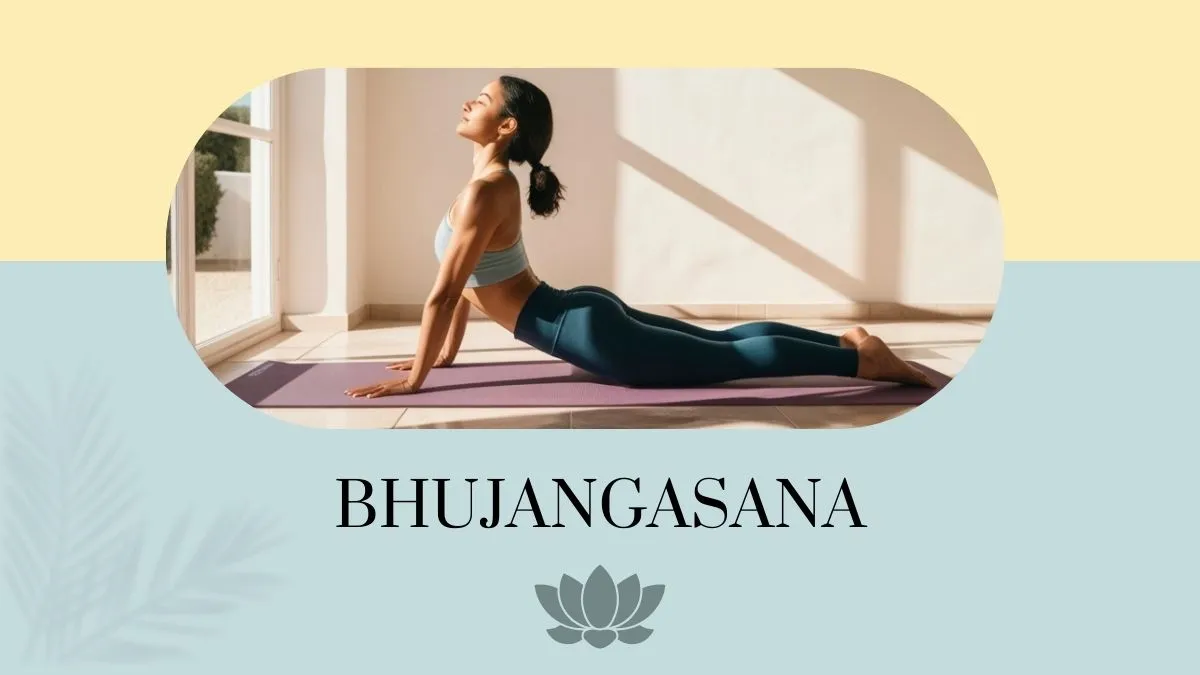
Bhujangasana, commonly known as Cobra Pose, is a foundational backward-bending posture practiced in modern yoga traditions. The name is derived from the Sanskrit words bhujanga (cobra) and asana (posture), reflecting the shape formed when the chest rises and the spine extends, resembling a cobra with its hood raised.
Table of Contents
Understanding the Biomechanics of Bhujangasana
Bhujangasana is a spinal extension posture primarily involving:
- Thoracic spine extension
- Activation of spinal extensors (erector spinae)
- Engagement of gluteal and posterior shoulder muscles
- Controlled stabilization of the pelvis
Unlike more intense backbends, Cobra Pose keeps the pelvis grounded. The lumbar spine extends, but ideally the extension is distributed evenly through the thoracic region to avoid excessive compression in the lower back.
The posture also facilitates anterior chest opening, counteracting the common forward-flexed posture associated with prolonged sitting or desk work.
Step-by-Step Technique
Performing Bhujangasana with correct alignment reduces strain and maximizes therapeutic value.
1. Starting Position
- Lie prone (on the abdomen) on a firm but comfortable surface.
- Extend the legs straight back, keeping the tops of the feet pressing gently into the floor.
- Position the palms under the shoulders, elbows bent and close to the body.
2. Initiating the Lift
- Engage the abdominal muscles lightly to support the lumbar spine.
- Inhale slowly.
- Begin lifting the head and chest using spinal muscles rather than pushing strongly with the hands.
3. Full Expression
- Extend upward only to a comfortable height.
- Keep the pelvis, thighs, and lower ribs in contact with the floor (in classical low Cobra).
- Relax the shoulders away from the ears.
- Maintain a neutral neck without excessive backward tilting.
4. Breathing and Duration
- Hold for 15–30 seconds with steady breathing.
- Exhale gently while lowering back down.
The emphasis should remain on controlled extension rather than achieving maximum height.
Musculoskeletal Benefits
1. Strengthening the Spine
Bhujangasana activates the erector spinae and deep stabilizing muscles of the back. Regular practice may support spinal endurance and postural stability. For individuals with mild postural kyphosis due to sedentary habits, it can help reinforce upright alignment patterns.
2. Improving Spinal Flexibility
The posture promotes extension of the thoracic and lumbar regions. Gradual and consistent practice enhances spinal mobility, which may reduce stiffness associated with inactivity.
3. Shoulder and Chest Expansion
By retracting the scapulae and opening the pectoral region, Cobra Pose stretches anterior shoulder structures. This may improve respiratory mechanics by encouraging rib cage expansion.
Effects on the Respiratory System
When performed with coordinated breathing, Bhujangasana encourages:
- Expansion of the rib cage
- Increased lung capacity awareness
- Improved diaphragmatic engagement
The lifting action, combined with inhalation, facilitates thoracic expansion, which can improve breathing efficiency over time.
Abdominal Organ Stimulation
The gentle pressure applied to the abdominal region while lying prone may:
- Promote digestive organ awareness
- Support circulation to the abdominal viscera
- Encourage mild stimulation of gastrointestinal motility
Although traditional yoga texts attribute broader energetic effects to the pose, modern interpretations focus on mechanical stimulation and improved blood flow.
Neurological and Postural Effects
Backbends such as Bhujangasana are often described as energizing. From a physiological perspective, spinal extension can influence autonomic balance and improve proprioceptive awareness.
Regular practice may:
- Counteract forward-flexed postural patterns
- Improve body awareness
- Reduce mechanical stress on cervical structures caused by prolonged screen use
Common Mistakes and How to Avoid Them
Excessive Lumbar Compression
Overarching the lower back without distributing extension through the thoracic spine may lead to discomfort. Gently engage the core muscles to support the lumbar region.
Overusing the Arms
Pressing firmly into the hands can reduce the engagement of the back muscles. The lift should begin from the spinal muscles, with the arms providing minimal assistance.
Neck Hyperextension
Excessive head-backing may strain cervical structures. Keep the gaze slightly forward rather than directly upward.
Variations of Bhujangasana
| Variation | Description | Suitable For / Notes |
| Low Cobra (Baby Cobra) | Elbows remain bent and lift is minimal. | Beginners, rehabilitation, gentle spinal extension |
| High Cobra | Arms straighten partially, increasing spinal extension. | Requires flexibility and core control |
| Dynamic Cobra | Performed repetitively with breath coordination to enhance mobility and circulation. | Improves spinal flexibility and promotes circulation |
Contraindications and Safety Considerations
Although generally safe when practiced mindfully, Bhujangasana should be avoided or modified in certain situations:
Severe Back Injury
Individuals with acute disc prolapse, severe lumbar spondylolisthesis, or recent spinal trauma should avoid spinal extension postures unless cleared by a healthcare professional.
Pregnancy
Prone positioning is not appropriate during pregnancy, particularly beyond the first trimester.
Recent Abdominal Surgery
Post-surgical healing may be compromised by abdominal pressure or stretching.
Additional Precautions
- Active peptic ulcer disease
- Severe carpal tunnel syndrome (due to wrist loading)
- Uncontrolled hernia
Consultation with a qualified healthcare provider or certified yoga therapist is advisable in these cases.
Integration into Yoga Sequences
Bhujangasana is commonly practiced as part of Surya Namaskar, where it follows a plank or prone transition. In therapeutic contexts, it may be introduced after gentle warm-up movements such as pelvic tilts or cat-cow sequences to prepare the spine for extension.
Balancing spinal extension with forward bends or neutral postures helps maintain musculoskeletal symmetry.
Evidence-Informed Perspective
Emerging research in yoga therapy suggests that structured back extension exercises may support individuals with mild chronic low back discomfort when supervised appropriately. However, outcomes depend on correct technique, frequency, and individual health status.
Bhujangasana should be viewed not as a cure but as one component within a broader movement and rehabilitation framework. Its benefits are optimized when combined with core strengthening, flexibility training, and ergonomic awareness.
Practical Guidelines for Safe Practice
- Warm up before attempting deeper backbends.
- Avoid pain; mild muscular effort is acceptable, sharp discomfort is not.
- Maintain steady breathing throughout the posture.
- Practice on a stable, non-slippery surface.
- Increase intensity gradually over weeks rather than days.
Consistency and correct form are more important than depth.
Conclusion
Bhujangasana (Cobra Pose) is a controlled spinal extension posture that strengthens the back, enhances flexibility, expands the chest, and gently stimulates abdominal structures. Its value lies in its accessibility and adaptability across experience levels.
When performed with proper alignment and awareness, it supports postural health and musculoskeletal resilience. However, individuals with severe spinal conditions, pregnancy, or recent abdominal surgery should avoid or modify the posture under professional guidance.






Cockatrice OSRS Explained: Location, Gear & Tips Guide

WellHealth How to Build Muscle Tag?

Understanding Antarvwsna: The Power of Inner Desires and Emotions

Rajkot Updates News: When Will the Tesla Phone Be Released?

XSON208: Enterprise Automation & Analytics Platform

Rabbit Pose Yoga: Posture, Benefits & Safety Tips

Thermador Ranges Explained: Star Burners, Ovens & Smart Tech

Coreball Arcade: Test Your Precision and Timing Skills

Naproxen and Exercise: What You Actually Need to Know Before Reaching for the Packet

How to Keep Your Home Clean Without Losing Your Entire Weekend

How to Reset Your Home After Weeks of Mess and Clutter

Unlocking the Power of Urdhva Dhanurasana: A Guide to Wheel Pose

Master Bhujangasana: Backbend Technique Explained

Post Construction Cleaning Guide for Making Your Home Safe and Livable Again

The Overlooked Cleaning Areas That Affect Your Indoor Air Quality
-
 GENERAL10 months ago
Christofle – For Those Who Dream of Family Heirloom Silver
-
SPORTS12 months ago
Discover the World of Football with Streameast: Watch Your Favorite Leagues and Tournaments
-
GENERAL3 months ago
Uncovering the World of кинокрадко: The Dark Side of Film Piracy
-
GENERAL3 weeks ago
ATFBooru: Anime, Gaming, and Subculture Imageboard