
YOGA
What to Look for in a Pilates Studio or Instructor

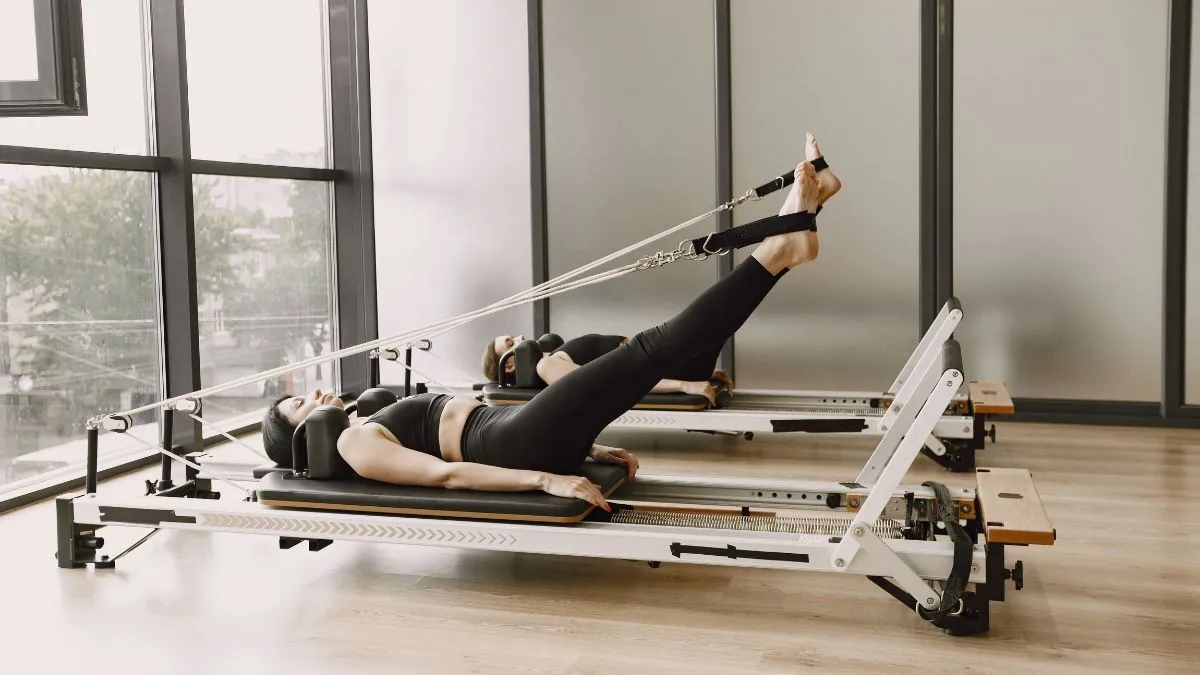
Pilates has quickly transformed from a niche fitness routine into a global phenomenon, with millions of people turning to it for better core strength, posture, and flexibility.
According to Dataintelo, consumer spending in the global Pilates studio market reached $11.5 billion in 2025. The industry is projected to reach $24.16 billion by 2034, driven by an annual growth rate of 8.6% that adds $12.66 billion in revenue over that period.
With so many new studios opening up and instructors offering classes, finding the right space and guidance can feel overwhelming. Whether you’re new to the Reformer or refining your form, choosing the right studio or instructor helps you enjoy a safe, effective workout.
Table of Contents
Understand the Difference Between Group Classes and Private Instruction
Choosing between group Pilates classes and private instruction depends on your goals, budget, and preferred learning style. Group classes can be a good fit if you enjoy exercising with others, want a regular schedule, or prefer a more affordable option. They can also offer motivation and a sense of community.
A recent research review found that exercise can help people overcome “endless exhaustion,” with group exercise showing particular benefits. While this research is not specific to Pilates, it highlights how shared activities may support well-being.
For example, at a YMCA, fitness instructor Jamie Warf described barre as “a low-impact strength class.” Participants said the classes helped them build strength while making friends who kept them accountable.
Private Pilates sessions, on the other hand, offer more personalized attention. An instructor can adjust exercises to your abilities and provide focused feedback on alignment, breathing, and control. This may be helpful if you have specific fitness goals or prefer learning at your own pace.
Evaluate the Instructor’s Experience and Teaching Style
An instructor’s qualifications, practical experience, and communication style can shape the quality of your Pilates sessions. Look for someone with appropriate Pilates training who understands movement principles and can explain exercises clearly. It is also worth asking about their experience working with people who have goals or physical needs similar to yours.
Teaching style matters just as much as credentials. Some instructors use detailed verbal explanations, while others rely more on demonstrations and hands-on cues, with appropriate consent. A good instructor should make instructions easy to understand, explain why a movement matters, and offer modifications when an exercise feels too challenging.
Pay attention to how the instructor responds to questions and feedback. You should feel comfortable asking for clarification rather than feeling pressured to perform every movement perfectly. A trial session can help you determine whether the instructor’s approach suits your learning preferences and training goals.
Look for Individualized Programming
A good Pilates program should reflect your current abilities and evolve as you improve. Two people may attend a studio for completely different reasons. One might want to develop core strength, while another may want to improve balance, increase flexibility, or build confidence with everyday movements.
Individualized programming allows an instructor to select exercises, adjust resistance, modify movement ranges, and set appropriate challenges based on your needs. It also makes it easier to identify areas that need additional attention rather than following the same sequence regardless of individual progress.
For example, The Pilates Circuit offers private one-on-one Pilates in New York City, with individualized sessions that can incorporate Reformer and Tower work alongside strength-focused training. It is one example of how a Pilates studio can structure training around the individual rather than a standardized group format.
When evaluating a studio, ask how instructors assess new clients, set goals, and adjust sessions over time. A thoughtful program should have a clear purpose rather than relying on a collection of exercises without a defined direction.
Consider the Equipment and Training Options
Pilates studios vary in the equipment and training options they offer. Mat Pilates relies on body weight and small props, while equipment-based sessions use apparatus to add resistance or support.
The Reformer, for example, features a sliding carriage, springs, straps, and a footbar. The Tower uses a frame with springs and bars to support different movements. Both can be adapted to suit different abilities and fitness goals.
However, having more equipment does not automatically mean a better workout. A WorldHealth.net article explains that each Pilates apparatus serves a different purpose, from building strength to improving balance, coordination, and posture. The instructor’s ability to choose and use equipment correctly matters just as much as the equipment itself.
Before joining a studio, ask which options are available and whether instructors can adapt exercises to your experience, comfort, and fitness goals.
Check Whether the Studio Can Accommodate Individual Needs
Your physical needs should influence the type of Pilates instruction you choose. An instructor may need to adapt exercises for limited mobility, previous injuries, pregnancy, or other individual considerations.
A 2025 scoping review of 21 studies on prenatal Pilates recommends supervision by qualified professionals, preferably physiotherapists or certified instructors with obstetric experience. It also emphasizes individualized plans that consider gestational week, fitness level, and mental health. The authors noted that instructor qualifications may affect exercise technique and safety.
Before enrolling, explain your concerns and ask how the studio handles modifications. A suitable instructor should adjust positioning, resistance, range of motion, or exercise selection as needed. They should also recognize when an exercise is unsuitable or when you need advice from a healthcare professional.
If you are pregnant or recovering from an injury, look for an instructor with relevant training. Where necessary, coordinate your exercise plan with a physical therapist or another qualified healthcare provider.
Look for Clear Progression Over Time
Repeating familiar exercises can help reinforce technique, but a well-designed program should also give you opportunities to develop new skills. If every session feels identical without a clear reason, it may be worth asking how your training is progressing.
Progression does not necessarily mean performing more repetitions or choosing harder exercises at every session. It might involve improving alignment, controlling a movement more smoothly, increasing resistance, developing balance, or coordinating breathing more effectively.
An experienced instructor can identify when you are ready for a new challenge and when it makes sense to continue practicing the basics. They should also explain how individual exercises contribute to your broader goals.
Ask how the studio reviews progress and whether your program changes as your abilities develop. You might discuss your goals periodically, track improvements in specific movements, or work toward more challenging variations over time.
Match the Studio to Your Strength and Mobility Goals
If your priorities include strength, mobility, or long-term movement quality, look beyond general claims about Pilates benefits. Consider how the studio translates those goals into actual sessions.
For strength, ask whether the instructor can use progressive resistance and select exercises that challenge the muscles relevant to your goals. For mobility, find out how sessions address controlled movement through appropriate ranges of motion. If you want to improve overall movement quality, look for instruction that emphasizes coordination, balance, body awareness, and control.
These goals can overlap, but they may require different exercise choices and levels of challenge. An instructor should be able to explain why particular movements are included and how they support your progress.
It is also important to have realistic expectations. Pilates can contribute to strength, flexibility, balance, and movement control, but outcomes depend on factors such as consistency, program design, and individual circumstances. Choose a studio that focuses on measurable improvements and sustainable practice rather than dramatic promises.
Consider Location, Scheduling, and Overall Fit
Convenience matters because consistency is an important part of developing any exercise habit. A studio with suitable class times, a manageable commute, and a booking system that works for you can make it easier to maintain a regular schedule.
Before committing, check session availability, cancellation policies, pricing, and whether you need to book well in advance. If you are considering private instruction, compare the cost of individual sessions with the flexibility and personal attention they provide.
However, the closest studio is not necessarily the best choice. A nearby location may be convenient, but it may not offer the equipment, teaching style, or individualized programming you need. Conversely, a studio slightly farther away may be a better fit if its approach aligns more closely with your goals.
Think about what will help you stay consistent without compromising the quality of your training. A realistic schedule, supportive instructor, and appropriate program are more useful than choosing a location based on distance alone.
Frequently Asked Questions
Is private Pilates better than group classes?
Neither format is automatically better for everyone. Group classes can provide a social atmosphere and a more affordable way to practice. Private sessions offer more individualized attention and allow an instructor to tailor exercises to your goals, ability, and preferences.
How often should I attend Pilates sessions?
The ideal frequency depends on your goals, experience, schedule, and recovery needs. Many people start with one or two sessions per week and adjust as they become more comfortable. An instructor can help you establish a realistic routine that supports consistent practice.
What equipment should I look for in a Pilates studio?
A well-equipped studio typically features apparatus like the Reformer (using springs, straps, and a sliding carriage) and the Tower. However, the quality of instruction and proper form matter far more than having access to advanced equipment.
Pilates Market and Study Statistics Summary
| Global Pilates Market (2025) | $11.5 billion |
| Projected Market Size (2034) | $24.16 billion |
| Compound Annual Growth Rate (CAGR) | 8.6% |
| Added Annual Revenue | $12.66 billion |
| Prenatal Pilates Studies Reviewed | 21 studies |
Choosing the right Pilates studio or instructor requires a balance of practical considerations and personal priorities. Look for qualified instruction, an approach that matches your goals, suitable equipment, and a program that can adapt as your abilities change.
Consider whether group classes or private sessions offer the right level of guidance, and make sure the studio can accommodate your individual needs.
Above all, choose an environment that supports steady progress and encourages you to develop better movement skills over time. When the instructor, training format, and studio setting work together, Pilates can become a more purposeful and sustainable part of your routine.


Preparing for Your Child’s First Dental Visit: A Practical Guide for Parents

What to Look for in a Pilates Studio or Instructor

Why Recurrent Cleaning Services Keep Homes Spotless All Year

AI PPT Maker for Teachers: Turn Lesson Notes into Slides That Leave Room to Teach

Chief Technical Examiner: Roles, Rules and Responsibilities

When Should You Visit an Orthopaedic Clinic for a Sports Injury?

How to Choose an E-Bike for a More Active Everyday Lifestyle

What is Chin Mudra? Discover Its Meaning and Health Benefits

Classroom20x: Future of Hybrid Learning Explained

Exploring the World of Futbolear: A Comprehensive Guide

LeahRoseVIP: Trusted Lifestyle Magazine for Holistic Wellbeing

Daily Spine Care: Simple Habits for Less Strain and More Comfortable Movement

Switching 2nd: Understanding the Shift into Second Gear

Hamro Solar LLC: Leading Renewable Energy Solutions

Ausbeulstation: Advanced Automotive Dent Repair
-
 GENERAL1 year ago
Christofle – For Those Who Dream of Family Heirloom Silver
-
GENERAL10 months ago
Uncovering the World of кинокрадко: The Dark Side of Film Piracy
-
SPORTS3 months ago
Discover the World of Football with Streameast: Watch Your Favorite Leagues and Tournaments
-
HOME IMPROVEMENT2 years ago
Spacious and Stylish 300cm Round Rugs: Elegant and Modern Designs for a Chic Home Decor