YOGA
Parvatasana Guide: Classical Roots & Modern Practice

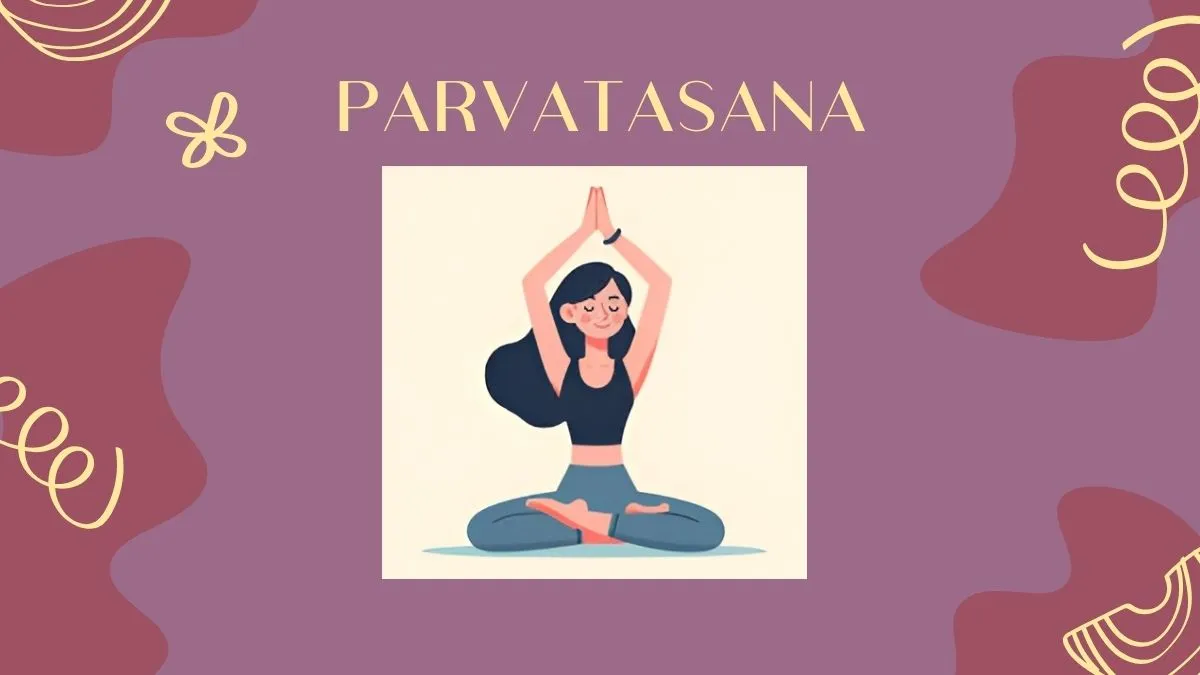
Parvatasana, derived from the Sanskrit words parvata (mountain) and asana (posture), translates to “Mountain Pose.” In yogic philosophy, the mountain symbolizes steadiness, grounded presence, and unwavering strength. True to its name, Parvatasana embodies structural alignment, mental stability, and energetic upliftment.
Table of Contents
Historical Context in Classical Yoga Texts
In traditional Hatha yoga literature, Parvatasana is associated with seated meditative postures. The foundational text Hatha Yoga Pradipika, attributed to Swami Swatmarama, describes various seated asanas aimed at cultivating steadiness for pranayama and meditation.
Within this framework, Parvatasana is performed by:
- Sitting in Padmasana
- Interlocking or joining the hands
- Extending the arms vertically overhead
- Lengthening the spine upward
The emphasis is not athletic intensity but axial extension and energetic alignment. The pose creates a vertical lift through the torso, symbolically echoing a mountain’s upward rise from a stable base.
This classical interpretation reflects the primary Goal of Hatha yoga: preparing the body for prolonged meditation by cultivating structural integrity and breath control.
Classical Technique: Parvatasana in Padmasana
Step-by-Step Method
- Sit comfortably in Padmasana.
- Lengthen the spine and ground the sitting bones.
- Inhale and raise the arms overhead.
- Interlock the fingers or press the palms together.
- Stretch upward without lifting the shoulders toward the ears.
- Maintain steady breathing.
- Hold for several breaths before gently releasing.
Anatomical Focus
- Axial extension of the spine
- Activation of deep postural muscles
- Shoulder flexion and scapular stabilization
- Expansion of the rib cage
Functional Benefits
- Improves postural awareness
- Counteracts forward head posture
- Enhances thoracic mobility
- Encourages diaphragmatic breathing
Because it is seated, the posture is accessible to practitioners focusing on meditative practices rather than dynamic movement.
Modern Interpretation: Inverted “V” Variation
In contemporary yoga schools, particularly those influenced by vinyasa and ashtanga traditions, Parvatasana is often equated with a posture visually similar to Adho Mukha Svanasana.
How It Is Performed
- Begin on hands and knees.
- Tuck the toes under.
- Lift the hips upward.
- Straighten the legs as much as flexibility allows.
- Press the heels toward the floor.
- Lengthen through the spine while pressing firmly into the palms.
The body forms an inverted “V,” distributing weight between the hands and feet.
Biomechanical Analysis of Modern Variation
The inverted variation integrates multiple muscle groups simultaneously:
Upper Body Engagement
- Deltoids and rotator cuff muscles stabilize the shoulders
- Triceps support elbow extension
- Serratus anterior assists scapular positioning
Core Activation
- Transverse abdominis stabilizes the trunk
- Spinal extensors maintain alignment
Lower Body Stretch
- Hamstrings lengthen
- Gastrocnemius and soleus stretch
- Achilles tendon experiences controlled elongation
This version emphasizes functional strength and flexibility, making it common in dynamic yoga sequences.
Comparative Overview: Classical vs. Modern Parvatasana
| Aspect | Classical Version | Modern Version |
| Base Position | Padmasana | Hands and feet |
| Orientation | Upright | Inverted |
| Primary Goal | Spinal elongation for meditation | Strength and flexibility |
| Intensity | Gentle to moderate | Moderate to strong |
| Tradition | Hatha yoga | Contemporary yoga systems |
Physiological Benefits Supported by Contemporary Understanding
Although ancient texts describe yogic benefits in energetic terms, modern research provides physiological explanations.
Postural Correction
Both versions encourage spinal elongation, counteracting prolonged sitting and forward rounding of the shoulders common in modern lifestyles.
Musculoskeletal Strength
The inverted variation enhances:
- Shoulder girdle stability
- Posterior chain strength
- Functional weight-bearing endurance
Circulatory Effects
The inverted posture may facilitate venous return from the lower limbs, although claims about “detoxification” should be approached cautiously and understood within evidence-based limits.
Respiratory Enhancement
Raising the arms overhead in the classical variation expands the rib cage, potentially improving lung capacity and breath awareness.
Neurological and Psychological Dimensions
The symbolism of the mountain is not merely poetic. Postural stability often influences mental steadiness.
Maintaining Parvatasana requires:
- Sustained attention
- Breath regulation
- Proprioceptive awareness
This integration supports activation of the parasympathetic nervous system, which may reduce stress responses when practiced consistently.
Safety Considerations and Contraindications
While generally safe, Parvatasana requires modifications in certain conditions.
Use Caution If:
- There is an acute shoulder injury
- Severe wrist pain is present (modern version)
- Knee pathology prevents safe Padmasana (classical version)
- Uncontrolled hypertension (inversions should be monitored)
Modifications
- Bend the knees slightly in the inverted variation
- Use blocks under the hands
- Sit cross-legged instead of full Padmasana
- Practice near a wall for alignment feedback
Professional supervision is advisable for beginners or individuals with medical conditions.
Common Misconceptions
1. It is identical everywhere.
The meaning varies across traditions and lineages.
2. It is only a stretching pose.
Both versions involve strength, neuromuscular coordination, and breath integration.
3. It must look perfect.
Alignment principles matter more than aesthetic symmetry.
Parvatasana in Broader Yogic Philosophy
In yogic symbolism, a mountain represents stillness amid change. The physical posture mirrors this philosophical ideal. Whether seated upright or forming an inverted “V,” the practitioner cultivates grounded effort and effortless awareness.
Classical yoga emphasizes internal experience over external form. Modern practice expands the physical dimension but ideally retains mindfulness as the core principle.
Integrating Parvatasana into Practice
For Beginners
- Start with the inverted variation for 20–30 seconds
- Focus on even breathing
- Avoid locking the elbows
For Intermediate Practitioners
- Transition between plank and Parvatasana
- Emphasize spinal length rather than heel contact
For Meditative Sessions
- Practice the classical seated version
- Synchronize arm lifting with inhalation
- Hold with relaxed facial muscles
Consistency, not intensity, yields sustainable benefits.
Conclusion
Parvatasana reflects the evolving nature of yoga practice. Rooted in classical texts such as the Hatha Yoga Pradipika, it originally described a seated spinal extension performed from Padmasana. In modern yoga contexts, it frequently denotes a dynamic inverted posture like Adho Mukha Svanasana. Despite these differences, the underlying theme remains constant: structural integrity, grounded strength, and upward expansion. Practiced mindfully and adapted to individual capacity, Parvatasana serves as both a physical conditioning tool and a metaphor for steady presence.


Lizard Pose: A Complete Guide to Form & Flexibility

Dermatologist: Why This Specialist Matters for Your Skin Health

How AI Is Reshaping the Way We Edit Video

Tech Etruesports: The Evolution of Competitive Gaming

Ceıvır: Traditional Turkish Dish with Rich Flavors

GNHUSTGames: The Ultimate Platform for Unblocked Games

Kraams: The Heart of Dutch Market Culture

Butterfly Position: How to Do Baddha Konasana Safely

Tissariss Textile Art: A Tradition of Cultural Weaving

Anna Archive: Free Shadow Library Search Engine

Bl_Faceless: Anonymous Digital Creators Redefining the Digital Space

Pepe Coin Overview: Inside the Meme Cryptocurrency Craze

Lotus Position (Padmasana): How to Do It Safely and Avoid Knee Pain

How to Prepare for a Gynaecology Appointment

RPDJAFUD: The Future of AI-Driven Cybersecurity and Automation
-
 GENERAL1 year ago
Christofle – For Those Who Dream of Family Heirloom Silver
-
SPORTS1 month ago
Discover the World of Football with Streameast: Watch Your Favorite Leagues and Tournaments
-
HOME IMPROVEMENT1 year ago
Spacious and Stylish 300cm Round Rugs: Elegant and Modern Designs for a Chic Home Decor
-
GENERAL9 months ago
Uncovering the World of кинокрадко: The Dark Side of Film Piracy