
YOGA
Yoga Nidra: Deep Relaxation and Mindful Awareness

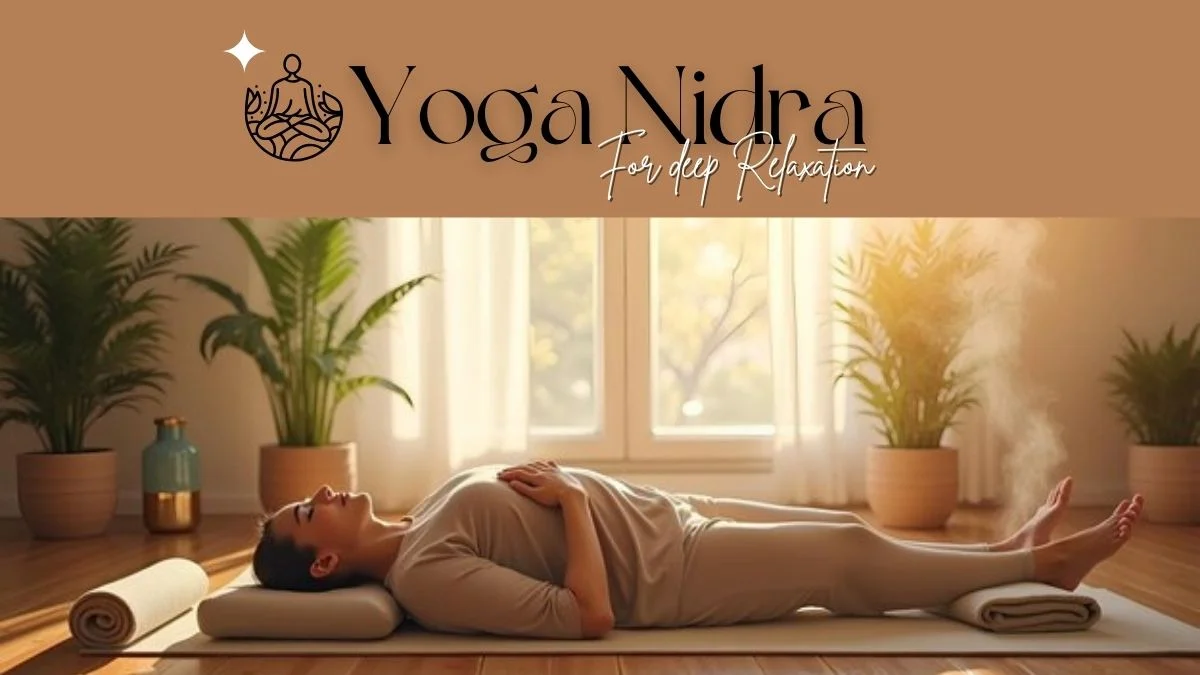
Yoga Nidra, often called “yogic sleep,” is a systematic form of guided meditation that bridges the gap between wakefulness and sleep. Unlike conventional rest, Yoga Nidra allows the body to experience profound relaxation while remaining conscious. This unique state provides the benefits of deep restorative sleep and heightened mental clarity, making it an increasingly valued practice for physical, emotional, and psychological well-being.
Table of Contents
Origins and Philosophy of Yogic Sleep
Yoga Nidra has its roots in classical yoga philosophy, particularly within the tantric and meditative traditions of India. The term itself combines two Sanskrit words: “Yoga,” meaning union or integration, and “Nidra,” meaning sleep. Historically, the practice was designed to cultivate awareness while fully relaxing the body, allowing practitioners to access deeper states of consciousness. Over the centuries, Yogic Sleep has evolved into both a spiritual and therapeutic practice, integrating meditation, mindfulness, and self-reflection.
The Process of Yoga Nidra

Yoga Nidra is traditionally practiced in a quiet, comfortable environment. The practitioner lies supine, often on a yoga mat or a bed, with the body fully supported. An instructor or audio recording guides the practice and unfolds in structured stages that include:
1. Body Scan (Sankalpa Awareness)
The session typically begins with a systematic body scan, in which attention is gently directed to each part of the body, from the toes to the head. This process helps release muscular tension and heightens somatic awareness, fostering a sense of rooted presence.
2. Breath Awareness
Attention then shifts to the natural rhythm of the breath. Observing inhalation and exhalation without attempting to control them promotes balance of the autonomic nervous system, lowering stress responses and fostering a state of calm.
3. Visualization
Guided imagery or visualization is used to engage the mind in constructive, creative imagery. These mental exercises stimulate relaxation, promote emotional release, and enhance the brain’s capacity to form new neural connections.
4. Sankalpa (Intention Setting)
A crucial component of Yoga Nidra is setting a personal intention, or Sankalpa. Practitioners formulate a concise, positive affirmation reflecting a goal or personal value. Repeating this intention in a deeply relaxed state reinforces neural pathways associated with positive behavioral change.
5. Integration and Awakening
Finally, practitioners are guided back to full awareness, gradually bringing attention from the inner experience to the surrounding environment. This process ensures a smooth transition, avoiding grogginess often associated with abrupt awakening from deep rest.
Physiological Benefits of Yoga Nidra
Yoga Nidra provides a unique form of conscious rest that differs from ordinary sleep. Research indicates several physiological benefits:
- Stress Reduction: The practice activates the parasympathetic nervous system, lowering cortisol levels and promoting relaxation.
- Improved Sleep Quality: Regular practice can help alleviate insomnia and enhance the restorative quality of sleep.
- Pain and Fatigue Management: By reducing muscular tension and improving circulation, it may help manage chronic pain and fatigue syndromes.
- Neurophysiological Effects: Studies using EEG have shown that practitioners achieve alpha and theta brainwave states, linked with deep relaxation and creativity.
Psychological and Emotional Benefits
Beyond physical effects, Yoga Nidra fosters psychological resilience and emotional balance. Key benefits include:
- Reduction of Anxiety and Depression: By promoting mindful awareness and emotional regulation, Yogic Sleep can alleviate symptoms of anxiety and depressive tendencies.
- Enhanced Self-Awareness: Regular practice encourages introspection and mindfulness, improving emotional intelligence and decision-making.
- Emotional Release: The meditative stages facilitate the safe expression and release of suppressed emotions, fostering mental clarity and emotional equilibrium.
Application in Therapeutic Settings
Yoga Nidra has been incorporated into various therapeutic contexts due to its efficacy in stress-related and psychosomatic disorders. Mental health professionals and integrative therapists use it for:
- Post-traumatic stress disorder (PTSD) recovery
- Stress and burnout management in workplace wellness programs
- Complementary therapy for chronic illnesses and palliative care
- Supportive intervention for sleep disorders
Its structured, non-invasive approach makes it suitable for diverse populations, including individuals unable to engage in more physically demanding forms of yoga or meditation.
Scientific Perspective and Research
Modern science is increasingly validating the benefits of Yoga Nidra. Neuroimaging and physiological studies demonstrate that the practice not only reduces stress hormones but also enhances brain plasticity. The mindful awareness maintained during deep relaxation helps consolidate memory, reduce autonomic hyperarousal, and improve emotional regulation. While research is ongoing, existing studies suggest that even short, consistent sessions of Yoga Nidra can produce measurable improvements in mental and physical health.
Practicing Yogic Sleep Safely
Although Yogic Sleep is generally considered safe for most individuals, certain precautions enhance its efficacy:
- Environment: A quiet, comfortable space free from interruptions optimizes relaxation.
- Positioning: Supportive props such as cushions or blankets help prevent discomfort and facilitate longer sessions.
- Guidance: Beginners may benefit from guided sessions to ensure proper engagement with each stage of the practice.
- Medical Considerations: Individuals with severe mental health conditions or sleep disorders should consult a healthcare professional before integrating Yoga Nidra as a therapeutic tool.
Integrating Yoga Nidra into Daily Life
For optimal benefits, it can be practiced regularly, even for short durations. Integrating it into daily routines, such as before bedtime, during lunch breaks, or in moments of acute stress, can amplify its restorative effects. Combining Yoga Nidra with other mindfulness practices or gentle physical yoga sequences may further enhance overall well-being.
Conclusion
Yoga Nidra represents a profound intersection of meditation, mindfulness, and conscious relaxation. By allowing the body to experience deep rest while maintaining mental awareness, it offers unique benefits for stress reduction, emotional balance, and overall well-being.
Its structured approach, including body scanning, breath awareness, visualization, and Sankalpa intention, supports both physiological restoration and psychological resilience. As research continues to explore its mechanisms, Yogic Sleep remains a powerful, accessible practice for cultivating holistic health and enhancing the quality of life.




Yoga Nidra: Deep Relaxation and Mindful Awareness

TamilYogi: Pirated Tamil Movies & TV Shows

Discover Jadeitový kameň: Symbol of Purity and Strength

Discover Mannacote: The Natural Alternative to Chemical Preservatives

Why Many Americans Purchase HGH in Mexico

Parvatasana Guide: Classical Roots & Modern Practice

Master Bhujangasana: Backbend Technique Explained

Messagenal and the Science of Clear Messaging

How Advanced Tooth Restoration Can Improve Oral Function

BCN Play OTT: Basic & Platinum Streaming Bundles

How Much Does Hair Transplant Cost in UAE

What is Chin Mudra? Discover Its Meaning and Health Benefits

Why Second Reads Matter For Complex Or Rare Cases

Telegraph247: A Comprehensive Guide to the Leading Online News Platform

Antarayas: Understanding and Overcoming Obstacles on the Path to Growth
-
 GENERAL8 months ago
Christofle – For Those Who Dream of Family Heirloom Silver
-
SPORTS10 months ago
Discover the World of Football with Streameast: Watch Your Favorite Leagues and Tournaments
-
GENERAL2 months ago
Uncovering the World of кинокрадко: The Dark Side of Film Piracy
-
GENERAL5 months ago
ATFBooru: Anime, Gaming, and Subculture Imageboard