
HEALTH AND FITNESS
Why Second Reads Matter For Complex Or Rare Cases

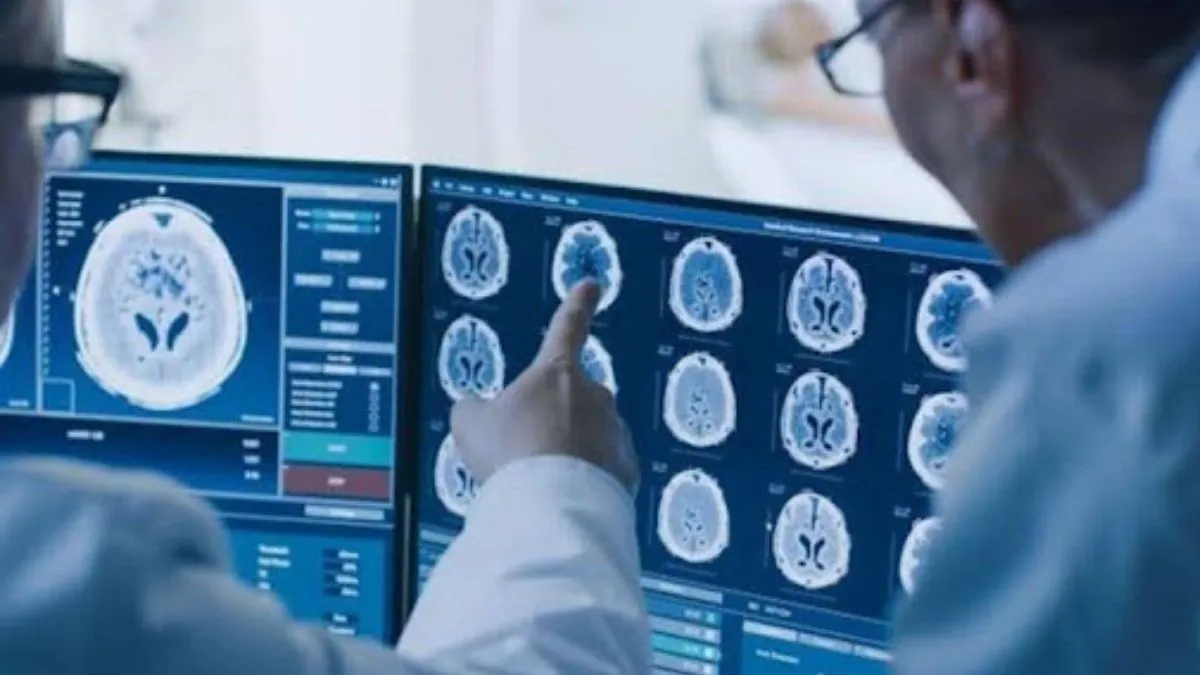
Complex and rare conditions ask more from medical imaging than routine cases. The signs of disease may be faint, unusual, or easily confused with normal variation. In these situations, imaging does more than confirm a diagnosis — it guides staging, treatment planning, and long-term care. A second read adds a structured safety step that improves accuracy and reduces the chance that important decisions rely on a single interpretation.
This does not mean the first report was insufficient. In high-stakes medicine, second reads are a recognised quality measure. They make sure that complex studies are reviewed with the right level of expertise and clinical context, especially where very small details can change the outcome.
Table of Contents
Reducing Diagnostic Uncertainty
Rare conditions often do not follow familiar patterns. When findings are subtle or overlap with benign changes, different radiologists may reasonably see them in slightly different ways. A second read allows the images to be reviewed again with a fresh perspective, helping confirm whether a feature is truly significant. This is particularly important in multimodality imaging, where MRI, CT, PET, or ultrasound results must be brought together into one clear conclusion.
Just as important is helping patients and referrers understand why this extra step is taken. Access to resources like InsideRadiology patient information on medical imaging explains that a further review is part of a careful diagnostic pathway. It shows that the goal is greater accuracy and confidence, not repetition.
Adding Subspecialist Insight
Some cancers and anatomical regions are highly specialised. Radiologists who work mainly in one area develop deep familiarity with how those diseases appear on imaging. This experience improves recognition of uncommon tumour behaviour, treatment effects, and small imaging features that influence staging. Within subspecialty reporting, this focused knowledge helps distinguish normal variation from true disease.
That level of detail directly affects what happens next. Surgeons rely on precise imaging to plan an operation. Radiation oncologists need accurate tumour boundaries. Medical oncologists base systemic therapy decisions on disease extent. A second read by a subspecialist helps ensure that imaging matches the complexity of the condition being treated.
Strengthening Multidisciplinary Decisions
Cancer care is planned through multidisciplinary team (MDT) meetings, where imaging is a central source of evidence. When a second read supports or refines the original report, the whole team can make decisions with greater confidence. It means treatment is based on information that has been carefully reviewed and agreed upon.
This process also improves clinicoradiological correlation, where imaging findings are considered alongside pathology, clinical examination, and laboratory results. In complex cases, that combined view is essential. It helps avoid both overtreatment and undertreatment by making sure the imaging tells the same story as the rest of the clinical picture.
Detecting Findings That Change Treatment Pathways
In rare or advanced disease, very small findings can alter staging and prognosis. Early perineural spread, minimal residual disease, or tiny deposits of metastatic cancer may be easy to miss but have major treatment implications. A structured second review increases the likelihood that these details are seen and correctly interpreted.
For this reason, many cancer imaging services use double reporting for selected examinations. This approach reduces perceptual and interpretive error and improves consistency in high-stakes cases. The result is a treatment plan based on the most complete and reliable assessment possible.
Providing Confidence For Patients And Clinicians
Serious or uncommon diagnoses are difficult for patients and clinicians alike. Knowing that the imaging has been reviewed carefully by more than one expert builds trust in the result. For patients, this makes the recommended treatment pathway easier to understand and accept.
For referring clinicians, it supports clearer discussions and more confident consent. It also reflects evidence-based medicine, where important decisions are guided by shared expert interpretation rather than a single opinion.
Precision Where It Matters Most
Second reads matter because complex and rare cases leave little room for uncertainty. They bring together subspecialist expertise, careful verification, and multidisciplinary collaboration to produce the most accurate interpretation possible.
In cancer care and other high-stakes conditions, this extra review is not an added step but a core part of safe, accountable, and clinically effective medical imaging.


What is Chin Mudra? Discover Its Meaning and Health Benefits

Why Second Reads Matter For Complex Or Rare Cases

Telegraph247: A Comprehensive Guide to the Leading Online News Platform

Antarayas: Understanding and Overcoming Obstacles on the Path to Growth

Flying Pigeon Pose: Benefits, Tips, and How to Perfect It

Insoya: Fermented Soy Protein for Better Nutrition

Keyword Optimization by Garage2Global Explained

Discover VandyWorks: The Web-Based Staffing System for Vanderbilt Medical Staff

Improving indoor air quality affected by cannabis smoke: How air purifiers help

Organizing Makeup Efficiently with a Vanity Desk

Coreball Arcade: Test Your Precision and Timing Skills

Felixing: The Authentic Art of Personal Growth

Starhoonga: Myth, Astrology & Cosmic Storytelling

Leet Coffee: Redefining Automated Specialty Coffee in the GCC

Joseph Patrick Roop: A Conservative Tool for Portfolio Stability
-
 GENERAL8 months ago
Christofle – For Those Who Dream of Family Heirloom Silver
-
SPORTS10 months ago
Discover the World of Football with Streameast: Watch Your Favorite Leagues and Tournaments
-
GENERAL2 months ago
Uncovering the World of кинокрадко: The Dark Side of Film Piracy
-
GENERAL4 months ago
ATFBooru: Anime, Gaming, and Subculture Imageboard