
HEALTH AND FITNESS
Why Every Cancer Support Program Needs a Personalized Nutrition Component

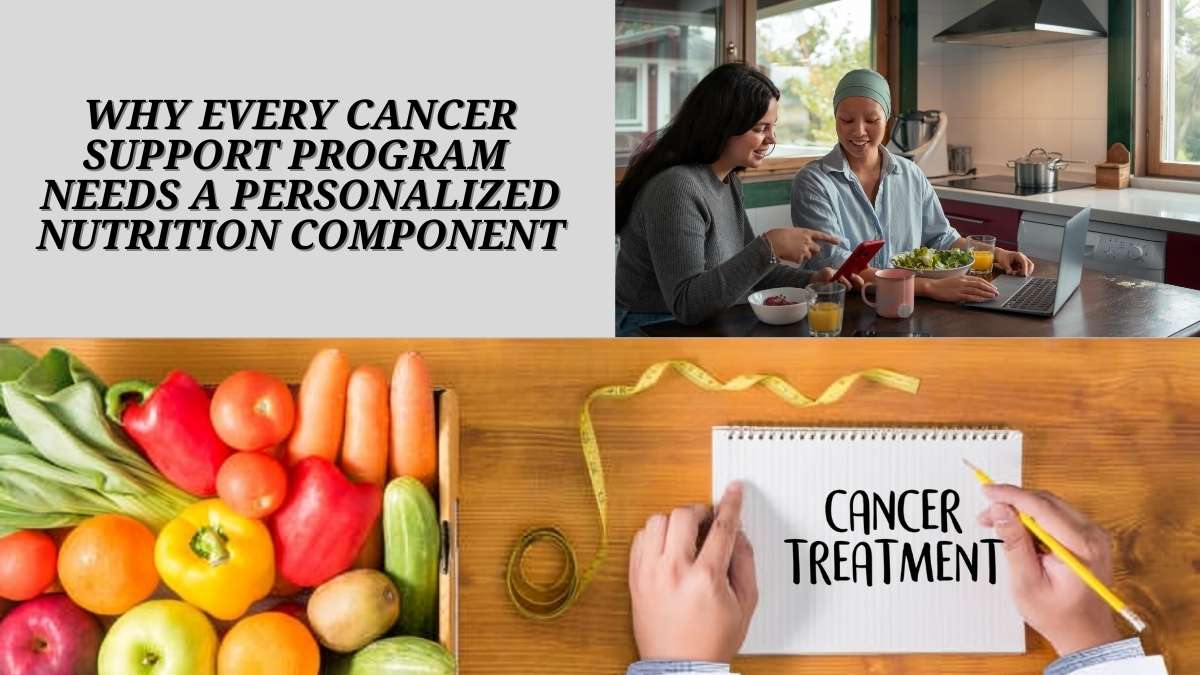
When someone finishes, the journey is far from over. Scans and checkups may fade, but the body is still adapting, healing, and recovering. One of the most powerful tools in that recovery phase is nutrition, not generic “eat well” advice, but a personalized nutrition plan crafted for one’s medical history, metabolic needs, and treatment side effects. In a robust cancer support program, this component can transform survival into thriving.
In this blog, we’ll explore why every cancer support program should include individualized diet and nutrition counseling, how it works, and what evidence supports it, all in a way that feels practical, hopeful, and grounded.
Table of Contents
The Deep Role of Nutrition in Cancer Recovery
Healing, Not Just Maintenance
It’s tempting to think of nutrition after cancer as simply maintaining a healthy diet. But a personalized plan does much more:
- Improves treatment tolerance: Stronger nutrient status can help the body better endure ongoing therapies or delays in recovery.
- Boosts energy: Many survivors struggle with fatigue; targeted nutrition supports mitochondrial health and metabolic efficiency.
- Supports immune function: Micronutrients, amino acids, and antioxidants all play roles in immune surveillance and repair.
- Reduces inflammation: Chronic inflammation is linked to recurrence risk and poorer outcomes. The right foods can help dial down inflammatory signals.
- Manages digestive or absorption issues: Treatments like radiation or chemo can affect gut lining or enzyme activity. Personalized plans can compensate accordingly.
The broader society guidelines (such as those from the American Cancer Society) now explicitly incorporate nutrition and physical activity into survivorship care.
But those are starting points, not tailor-made solutions. That’s where a personalized approach shines.
What Goes into Personalized Nutrition Counseling
Here are key elements that make nutrition truly “personal” in a cancer support context:
1. Metabolic & Clinical Assessment
Before drafting a plan, nutritionists look at:
- Current weight, body composition, recent weight changes
- Lab markers: glucose, lipids, inflammatory markers, micronutrient levels
- Organ functions (liver, kidney, gut)
- Treatment history and side effects (e.g, mucositis, malabsorption, nausea)
- Comorbid conditions (diabetes, cardiovascular disease, thyroid, etc.)
This assessment ensures the plan is safe, effective, and appropriate.
2. Customized Meal Plans & Dietary Strategies
Based on the above, a plan may include:
- Macronutrient ratios (protein, healthy fats, complex carbs) suited to one’s metabolic state
- Anti-inflammatory emphasis, foods like fatty fish, colorful vegetables, whole grains, nuts
- Targeted supplementation when deficiencies exist (under supervision)
- Meal timing or fasting protocols (if safe) to support metabolic flexibility
- Adjustments for side effects: soft or pureed foods for mouth sores, low‑residue diets for bowel sensitivity, nutrient‑dense shakes if appetite is low
3. Lifestyle & Behavior Change
Nutrition plans don’t live in isolation. They integrate:
- Hydration strategies
- Sleep and circadian alignment
- Stress reduction (which influences digestion and hormonal balance)
- Activity and movement recommendations to synergize with diet
- Education and coaching to help people implement changes sustainably
4. Monitoring, Feedback & Adjustment
A plan cannot stay static:
- Regular follow-ups check progress, lab changes, side effects
- Adjustments are made as the body recovers (or sometimes falters)
- Protocols may shift with new evidence, new symptoms, or evolving goals
Evidence & Outcomes: What the Research Shows
A strong argument for integrating nutrition is the growing body of evidence linking diet quality to outcomes in cancer survivors.
- Higher overall diet quality rich in vegetables, fiber, whole grains and healthy fats has been associated with improved survival in breast and colorectal cancer survivors.
- A 2024 review of nutrition guidelines reaffirmed that diet, physical activity, and related factors can help some survivors live longer and reduce risks of comorbid disease.
- The American Cancer Society and other expert groups now include detailed nutrition and activity recommendations in their survivorship guidelines.
- Early trials suggested that reducing fat intake, combined with appropriate weight control, could reduce recurrence risk.
Of course, no diet is a panacea. Nutrition is one pillar among many (screening, therapy, exercise, mental health). But given its influence on multiple physiological systems, skipping it would be a missed opportunity.
Who Benefits Most from a Personal Nutrition Plan?
Though all survivors gain something, certain groups derive especially strong benefits:
- Those with nutrient deficiencies or malabsorption due to GI treatments or surgeries
- Survivors facing weight loss or cachexia, where maintaining muscle mass is vital
- Individuals with metabolic syndrome, diabetes, or obesity nutrition can help manage both cancer risk and chronic disease
- People with chronic treatment side effects like fatigue, gut sensitivity, neuropathy nutrition can play a supportive role
- Long-term survivors, for whom dietary habits compound over years or decades
- Patients in fragmented care systems, who lack easy access to nutrition expertise on their own
In other words, the sicker or more complex the case, the greater the multiplier effect of personalized nutrition support.
Pitfalls & How to Safeguard the Process
To be ethical and practical, a cancer support program must avoid certain traps:
- Overpromising: Nutrition is supportive, not a cure. Be clear about realistic expectations.
- Unsupervised supplements: High-dose antioxidants, untested herbs, or nutrient protocols can interfere with treatment. Use only under guidance.
- One-size-fits-all plans: Generic diet advice often fails in the face of side effects, comorbidities, or metabolic variations.
- Poor follow-up: Without adjustment, a plan may become mismatched over time.
- Fragmented care: Nutrition should be integrated, not isolated. Communication with the oncology team is vital.
A coordinated, responsible program avoids these pitfalls by setting expectations, monitoring, and collaborating.
Bringing It into Practice: What a Support Program Should Offer
If you were designing or evaluating a cancer support program’s nutrition component, look for these essentials:
- Registered dietitians or nutritionists experienced in oncology
- Initial metabolic and clinical assessments
- Tailored meal plans that align with symptoms and goals
- Coaching and education for long-term behavior change
- Integration with other parts of the program rehabilitation, mental health, screenings
- Feedback loops and periodic reassessments
- Access to resources (recipes, meal delivery, remote coaching)
This way, nutrition doesn’t sit on the side; it becomes a core pillar.
Conclusion: Nourishing Survival into Strength
Cancer recovery is a multi-dimensional journey. Diet and nutrition aren’t optional extras, they’re foundational. A personalized nutrition plan woven into a cancer support program can help survivors manage side effects, maintain strength, reduce risk, and regain energy. It’s not magic, but it’s medicine of a different kind: one that works silently, cell by cell.
If a program ever claims to heal cancer just by diet alone, approach with skepticism. But when nutrition is used wisely, measured, integrated, and adaptive, it’s one of the strongest allies in life after treatment.
And if you’re exploring integrative models, consider a program like Thrive Integrative Cancer Care that places personalized nutrition at the center of holistic recovery.


Solar Plexus Chakra: Meaning, Power, and Inner Confidence

Unlocking the Power of Urdhva Dhanurasana: A Guide to Wheel Pose

8 Health Benefits of Bikram Yoga

Hand Yoga and 6 Poses to Benefits Hands, Fingers and Wrists

Chaturanga Yoga Guide | Strength, Balance & Mindfulness

Chest Opener Stretch: Technique, Benefits, and Best Practices

Sportsurge: The Ultimate Guide to Live Sports Streaming

Landscape Lighting: How to Make Your Garden Beautiful After Dark

What Does Namaste Mean?

Casîo: Understanding the Brand Behind the Name

Modern Diets and the Hidden Risk of Iodine Deficiency

The Smart Renter’s Guide to Move-Out Cleaning in New Jersey

Safe and Effective Approaches to Relieving Back Pain

Understanding No Limit Telegram: Beyond the Official App

Photeeq: The Ultimate Photography and Editing Platform
-
 GENERAL9 months ago
Christofle – For Those Who Dream of Family Heirloom Silver
-
SPORTS11 months ago
Discover the World of Football with Streameast: Watch Your Favorite Leagues and Tournaments
-
GENERAL2 months ago
Uncovering the World of кинокрадко: The Dark Side of Film Piracy
-
GENERAL5 months ago
ATFBooru: Anime, Gaming, and Subculture Imageboard