YOGA
Rabbit Pose Yoga: Posture, Benefits & Safety Tips

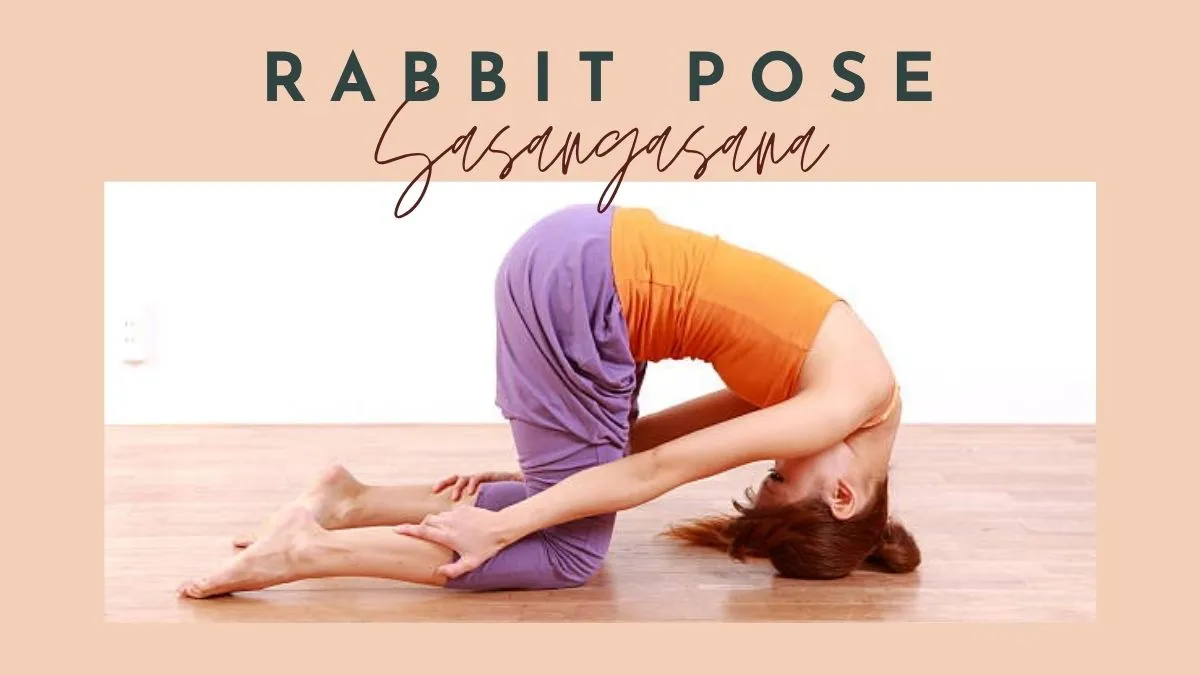
Rabbit Pose (Sasangasana) is a kneeling forward-fold posture characterized by deep spinal flexion combined with posterior fascial stretch. The practitioner typically holds the heels while curling the torso inward, creating a rounded shape along the spine.
Unlike passive forward folds, Rabbit Pose encourages active engagement of abdominal muscles to support spinal movement. This controlled engagement helps prevent excessive compression in the cervical vertebrae and distributes the stretch evenly across the upper and mid-back.
The pose is particularly relevant for individuals experiencing stiffness from prolonged sitting, as it mobilizes the thoracic spine, an area that often becomes rigid due to sedentary lifestyles.
Table of Contents
Biomechanics of Rabbit Pose
Understanding the mechanical aspects can help practitioners perform the posture more safely and effectively.
Spinal Flexion Mechanics
Rabbit Pose primarily produces flexion of the thoracic spine, supported by gentle flexion of the lumbar and cervical regions. This movement stretches connective tissues along the posterior body, including the erector spinae and thoracolumbar fascia.
During correct execution:
- The abdominal muscles stabilize the trunk
- The scapulae (shoulder blades) protract slightly
- The cervical spine flexes without excessive compression
This coordinated movement pattern helps distribute mechanical stress evenly rather than concentrating pressure in one area.
Posterior Fascial Chain Activation
Rabbit Pose influences the posterior kinetic chain, a network of connective tissue linking the neck, spine, glutes, and calves. Stretching this chain may help reduce muscular rigidity and improve movement efficiency.
Joint Positioning Considerations
Proper technique helps maintain safe joint angles:
- Knees remain flexed at approximately 140–160 degrees
- Hips flex moderately without collapsing body weight forward
- Neck flexion remains controlled rather than forced
These adjustments help maintain structural integrity during the pose.
Evidence-Informed Benefits of Rabbit Pose
1. Enhances Thoracic Spine Mobility
Many individuals demonstrate limited thoracic mobility due to prolonged sitting or device use. Rabbit Pose encourages controlled rounding of the mid-back, which may help improve functional movement patterns.
2. May Reduce Upper Back Muscle Tension
Gentle lengthening of the trapezius and rhomboid muscles may reduce muscular tightness associated with static posture habits.
3. Promotes Proprioceptive Awareness
The rounded body position provides sensory feedback that may improve awareness of spinal positioning and movement control.
4. Encourages Parasympathetic Activation
Forward-fold postures are often associated with slower breathing patterns. Controlled breathing may stimulate parasympathetic nervous system responses linked with relaxation.
5. Supports Postural Balance
Rabbit Pose counteracts spinal extension movements and may contribute to balanced mobility when combined with backbends.
6. Gentle Cervical Traction Effect
When performed correctly, the pose produces mild elongation in the cervical region without requiring external force.
Step-by-Step Technique with Professional Cues
Starting Position
Begin in a kneeling posture with hips resting on heels. Maintain neutral spinal alignment before initiating movement.
Heel Grip Positioning
Reach arms backward and hold the heels. Avoid gripping too tightly, as excessive pulling may increase pressure on the cervical spine.
Initiating Spinal Flexion
Activate abdominal muscles slightly and begin rounding the spine from the thoracic region rather than collapsing from the shoulders.
Head Placement
Lower the crown of the head toward the mat with minimal weight transfer. The head should not bear full body weight.
Hip Adjustment
Lift hips slightly upward to increase spinal curvature without creating excessive pressure on the neck.
Breathing Pattern
Maintain slow nasal breathing. Expanding the posterior rib cage during inhalation enhances the distribution of stretch.
Controlled Exit
Return slowly to the upright kneeling position to avoid orthostatic dizziness.
Common Technique Errors and Corrections
Excessive Cervical Loading
Placing too much weight on the head may strain cervical structures. Instead, maintain partial support through the legs.
Shoulder Elevation
Tension in the shoulders reduces the effectiveness of stretching. Allow scapulae to move naturally around the rib cage.
Passive Collapse
Allowing gravity alone to create the stretch may reduce muscular support. Maintain mild core activation.
Rapid Transitions
Moving too quickly into deep spinal flexion may create discomfort. Gradual movement allows tissue adaptation.
Variations and Modifications
- Supported Rabbit Pose: Place a folded blanket beneath the head to reduce pressure on cervical structures.
- Strap-Assisted Variation: Using a yoga strap around the ankles may help individuals with limited shoulder mobility maintain proper positioning.
- Reduced Flexion Variation: Keep hips closer to heels for a milder spinal curve.
- Dynamic Repetition Variation: Moving gently in and out of spinal flexion with breath may improve mobility awareness.
How Rabbit Pose Compares to Other Yoga Postures
| Feature | Rabbit Pose (Sasangasana) | Child’s Pose (Balasana) | Cat Pose (Marjaryasana) |
| Primary Movement | Deep spinal flexion with rounded back | Gentle spinal flexion with hip relaxation | Dynamic spinal flexion and extension |
| Main Target Area | Upper back, neck, shoulders | Lower back, hips | Entire spine, core |
| Main Purpose | Improve thoracic mobility and posture | Promote relaxation and gentle stretch | Increase spinal mobility and coordination |
| Difficulty Level | Beginner to Intermediate | Beginner | Beginner |
| Best Time to Practice | After backbends or during cool-down | Resting pose during session | Warm-up movement |
Safety Considerations
Although Rabbit Pose is generally accessible, certain individuals should exercise caution.
Contraindications may include:
- Acute cervical spine injury
- Recent spinal surgery
- Severe osteoporosis
- Vertigo disorders
- Knee ligament instability
Individuals experiencing discomfort should discontinue the pose and seek professional guidance.
Integrating Rabbit Pose into Practice
Rabbit Pose is often positioned after spinal extension movements such as Cobra Pose or Camel Pose. Alternating between extension and flexion movements may support balanced spinal mobility.
Typical sequencing placement:
- After backbends
- Before relaxation postures
- During cool-down phases
- Within mobility-focused yoga sessions
Consistent integration may improve awareness of spinal movement patterns.
FAQs
1. Is it suitable for beginners?
Yes, when modifications such as padding or reduced depth are applied.
2. How long should the pose be held?
Approximately 20–40 seconds or 5–8 slow breaths.
3. Does Sasangasana decompress the spine?
The pose may create a mild traction sensation along posterior tissues when performed correctly.
4. Can Rabbit Pose improve posture?
Improved awareness of thoracic positioning may support better posture habits.
Conclusion
Rabbit Pose (Sasangasana) is a technically valuable spinal-flexion posture that supports thoracic mobility, posterior-chain flexibility, and neuromuscular awareness. Its effectiveness depends largely on the controlled technique rather than the depth of stretch.
By emphasizing gradual progression, mindful breathing, and balanced sequencing, practitioners can incorporate Sasangasana safely into a yoga routine focused on mobility and postural balance.
When practiced attentively, Rabbit Pose offers a structured way to explore spinal flexion while maintaining joint safety and muscular support.






Rabbit Pose Yoga: Posture, Benefits & Safety Tips

Thermador Ranges Explained: Star Burners, Ovens & Smart Tech

Coreball Arcade: Test Your Precision and Timing Skills

Naproxen and Exercise: What You Actually Need to Know Before Reaching for the Packet

How to Keep Your Home Clean Without Losing Your Entire Weekend

How to Reset Your Home After Weeks of Mess and Clutter

Unlocking the Power of Urdhva Dhanurasana: A Guide to Wheel Pose

Master Bhujangasana: Backbend Technique Explained

Post Construction Cleaning Guide for Making Your Home Safe and Livable Again

The Overlooked Cleaning Areas That Affect Your Indoor Air Quality

Yalla Choy: Nutritional and Versatile Leafy Green Vegetable

ellendewittrealestate.com: Seasoned Broker Services

NLPadel: Pioneering the Growth of Padel

What is Asbestlint? Health Dangers, Detection & Safe Handling

Luxury Home Massage Centre in Dubai & Abu Dhabi – Premium Female Therapists at Your Doorstep | Zen At Home
-
 GENERAL10 months ago
Christofle – For Those Who Dream of Family Heirloom Silver
-
SPORTS11 months ago
Discover the World of Football with Streameast: Watch Your Favorite Leagues and Tournaments
-
GENERAL3 months ago
Uncovering the World of кинокрадко: The Dark Side of Film Piracy
-
GENERAL2 weeks ago
ATFBooru: Anime, Gaming, and Subculture Imageboard