
GENERAL
How Clinics Keep Weight-Loss Programs Safe and Effective

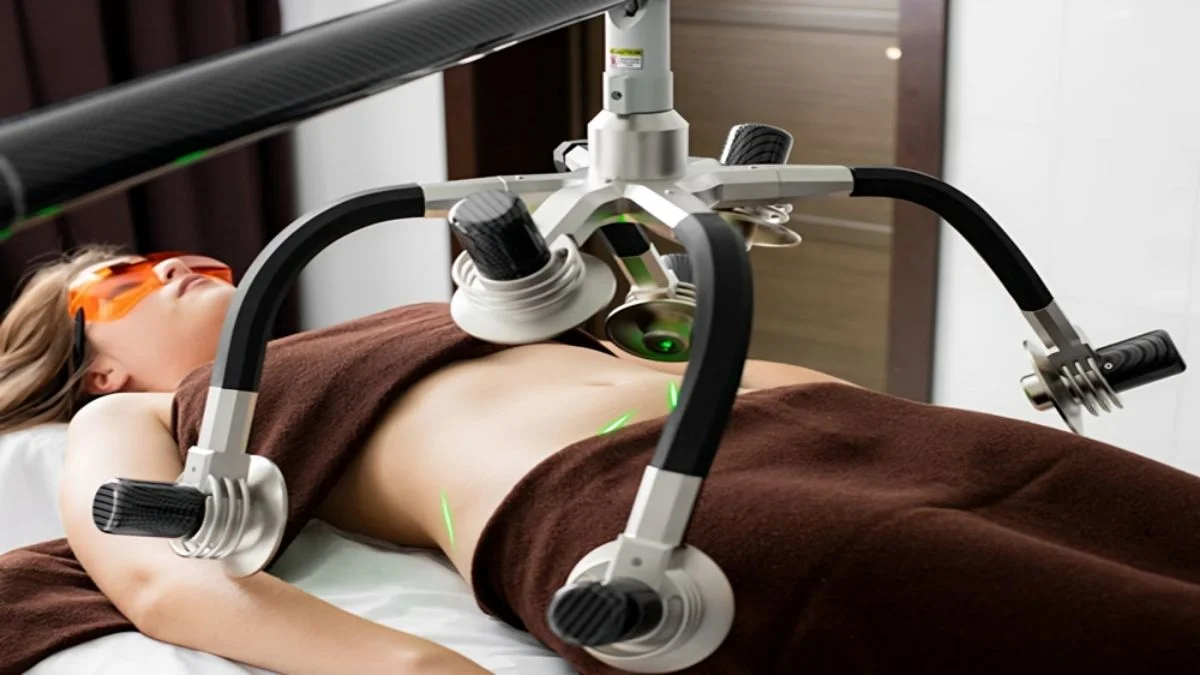
Weight-loss clinics serve people looking for guided programs. As interest in personal wellness grows, many choose clinics with trained staff instead of trying diets alone. Making sure programs work and do not harm patients matters to both clients and staff. These clinics aim to provide structured plans that support safe, steady progress for each individual.
A managed medical weight loss clinic joins professional input with tested methods. Clinics with doctors and trained teams provide a space where patients can follow plans safely. This setup lowers health risks and helps patients keep results over time.
Table of Contents
How Medical Supervision Improves Weight-Loss Outcomes
Medical guidance shapes weight-loss plans for each patient. Clinicians review health history, medications, and risks before programs begin. This limits problems and allows changes when needed.
Patients with professional support get regular check-ins and progress checks. Staff can spot early signs of issues like low nutrients, dehydration, or unusual vital signs. Guidance from trained staff lets programs change fast, keeping patients on a safe course.
Benefits of Regular Monitoring
Regular check-ins help patients follow plans. People tend to stick to meals, exercise, and medicine schedules when staff track progress. This kind of accountability improves results and supports long-term weight control.
Some clinics use technology to record results. Tools can track weight, vital signs, and activity. These records give patients and staff a clear view of progress and show where changes may be needed without relying on estimates.
Encouraging Long-Term Commitment
Professional guidance supports lasting habits beyond quick results. Routine check-ins strengthen healthy routines and offer direction if progress slows. Patients tend to stay involved and motivated when staff provide support.
Key Safety Measures in a Medical Weight-Loss Clinic
Clinics follow set steps to keep patients safe. Steps include:
- Patient checks: Staff review health for diabetes, heart issues, or hormone problems.
- Medication control: Prescriptions and injections are watched to avoid harm.
- Procedure guides: Staff use fixed steps for dosing, monitoring, and emergency response.
- Emergency readiness: Clinics can act fast if problems appear.
- Staff lessons: Teams take regular classes to keep knowledge on safe methods, new treatments, and current rules.
These steps give patients structured, professional care instead of testing at home. The CDC offers advice on safe weight-loss methods.
Standard Protocols for Patient Safety
Protocols guide staff through every step, from intake to follow-up. Teams handle emergencies and maintain consistent care. Written steps reduce mistakes and make programs reliable.
Monitoring Medications and Treatments
Medications and injections are closely managed. Staff monitor doses, timing, and patient reactions to prevent problems. Changes are made as needed to keep programs safe and effective.
Role of Healthcare Professionals in Patient Support
Healthcare staff, like doctors, nurse practitioners, and physician assistants, run weight-loss programs. They handle patient care, direct meals and exercise, and deal with medical matters. Each patient’s history and health are checked to form plans that cut risk.
They watch progress and change medications, diet, and activity to keep programs safe and working. They also advice on mental and emotional matters, helping patients manage stress, motivation, and routines. Their work keeps programs based on evidence, steady, and fit for each person, giving patients trust that trained staff guide them through each step.
Coordinated Care Teams
Team agreements let professionals work together smoothly. Regular meetings, clear records, and defined roles help staff provide consistent care. Patients gain from a coordinated approach that combines lifestyle support with medical guidance.
Emotional and Lifestyle Support
Weight loss is difficult, and regular check-ins help patients handle stress, setbacks, and motivation. Medical and mental support work together to improve results over time. Patients get guidance on exercise, meals, and ways to manage common problems.
Practical Tips for Choosing a Safe Program
When choosing a clinic, seek programs that focus on rules and trained staff. Signs include:
- Doctor supervision
- Clear steps for medications and treatments
- Staff trained in clinical rules
- Open tracking of progress
Programs with these features are more likely to deliver safe and lasting results. The National Institute of Diabetes and Digestive and Kidney Diseases offers more guidance on proven weight management methods.
Staff Qualifications and Protocols
Make sure staff hold licenses and get regular training. Incorporating structured practices similar to injector training helps clinics follow clear, consistent procedures so operations run smoothly and patients receive the same high-quality care no matter which professional they meet.
Tracking and Communication
Find out how progress is tracked and shared. Clinics with precise tracking keep patients informed, motivated, and confident in their program.
Maintaining Results Beyond the Clinic
Programs focus on lasting habits. Patients learn meals, exercise, and daily routines. Clinics that combine medical guidance with coaching help maintain weight loss after programs end. They provide tools for meals, portions, and exercise schedules.

Patients get ways to handle stress, sleep, and eating habits, which support results over time. Regular check-ins and progress reviews keep patients accountable and allow changes when issues appear. By reinforcing actions and giving continued support, clinics help patients make habits part of daily life, making weight management last.
Strategies for Sustainable Weight Loss
Recording progress in journals or digital tools helps patients see patterns and change plans. Regular check-ins raise the chance of keeping habits and avoiding weight gain. Custom plans for meals, activity, and stress make it easier to add routines into daily life.
Conclusion
Choosing a medical weight-loss clinic with staff, clear steps, and ongoing support keeps programs safe and working. Supervision lets treatments fit each patient, address health issues, and improve follow-through while lowering risk. Patients get regular check-ins, staff guidance, and advice on meals, exercise, and stress, helping results last after programs end. By using trained staff, steady steps, and constant support, clinics give a path to healthier living, assisting patients to reach goals and form lasting habits. Clinics also teach routines, track progress, and change plans to support results over time.


Yalla Choy: Nutritional and Versatile Leafy Green Vegetable

Yoga Exercises: Benefits, Types, and Safe Practice Guide

Black Letterboxes: The Minimalist & Functional Design for Your Front Door

Hospital Cleaning Services: Ensuring Hygiene and Safety in Healthcare Facilities

Solar Plexus Chakra: Meaning, Power, and Inner Confidence

Unlocking the Power of Urdhva Dhanurasana: A Guide to Wheel Pose

8 Health Benefits of Bikram Yoga

Hand Yoga and 6 Poses to Benefits Hands, Fingers and Wrists

Chaturanga Yoga Guide | Strength, Balance & Mindfulness

Chest Opener Stretch: Technique, Benefits, and Best Practices

Sportsurge: The Ultimate Guide to Live Sports Streaming

Landscape Lighting: How to Make Your Garden Beautiful After Dark

What Does Namaste Mean?

Casîo: Understanding the Brand Behind the Name

Modern Diets and the Hidden Risk of Iodine Deficiency
-
 GENERAL9 months ago
Christofle – For Those Who Dream of Family Heirloom Silver
-
SPORTS11 months ago
Discover the World of Football with Streameast: Watch Your Favorite Leagues and Tournaments
-
GENERAL2 months ago
Uncovering the World of кинокрадко: The Dark Side of Film Piracy
-
GENERAL5 months ago
ATFBooru: Anime, Gaming, and Subculture Imageboard