HEALTH AND FITNESS
When Should You Visit an Orthopaedic Clinic for a Sports Injury?

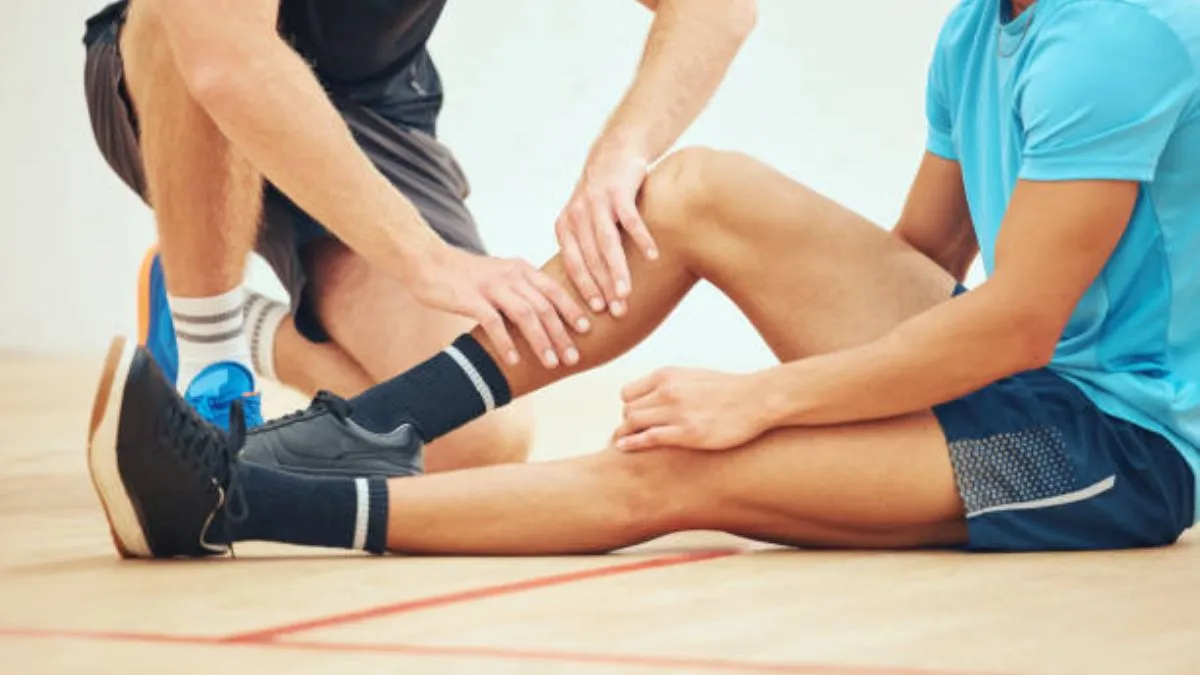
Sports injuries can happen during a competitive match, a weekend badminton game, a run around the neighbourhood or a gym workout. Some are mild and improve with rest, while others may involve the muscles, tendons, ligaments, joints or bones and need medical assessment.
If pain, swelling or restricted movement does not improve, visiting an orthopaedic clinic in Singapore can help determine the type and severity of the injury and whether further investigation or rehabilitation may be appropriate.
Knowing when to monitor an injury at home and when to seek further care can help reduce the risk of making the problem worse and support a safer return to activity.
Table of Contents
What Are Common Types of Sports Injuries?
Sports injuries can affect almost any part of the musculoskeletal system. Some happen suddenly after a fall, twist or collision, while others develop gradually because of repeated strain.
Common examples include:
- ankle and wrist sprains
- muscle strains
- ligament injuries, including ACL injuries
- meniscus tears
- shoulder and rotator cuff injuries
- tendon injuries
- stress fractures
- dislocations
- fractures
- overuse injuries affecting the knee, heel, shoulder or elbow
A sprain affects a ligament, while a strain affects a muscle or tendon. Both can cause pain, swelling, bruising and reduced movement.
When Can a Sports Injury Be Managed at Home?
Some mild strains and sprains may improve with conservative care, especially when pain and swelling are limited and you can still move the affected area.
For a minor acute injury, you may consider:
- stopping the activity that caused the injury
- protecting the injured area from further strain
- reducing activities that increase pain
- applying a cold pack wrapped in a towel for short periods
- using compression where appropriate
- elevating a swollen limb
However, being able to walk or move after an injury does not always mean the injury is minor.
When Should You Visit an Orthopaedic Clinic for a Sports Injury?
Medical assessment may be appropriate when symptoms are severe, persistent or affecting normal movement and daily function.
1. You Cannot Put Weight on the Injured Limb
If an ankle, knee, hip or foot injury makes it difficult or impossible to bear weight, the injury may involve more than a minor sprain.
Possible causes may include:
- a significant ligament injury
- a fracture
- a tendon injury
- damage within the joint
Difficulty walking after an injury is a good reason to seek further assessment.
2. There Is Severe Pain or Significant Swelling
Some swelling after a sports injury is common. However, rapid or substantial swelling, especially when accompanied by severe pain, may suggest a more significant injury.
This can occur with problems such as:
- ligament tears
- fractures
- joint injuries
- significant muscle or tendon tears
Persistent swelling may also make movement more difficult and limit your ability to return to normal activities.
3. The Joint Feels Unstable or Keeps Giving Way
A knee or ankle that repeatedly gives way may indicate damage to structures that help stabilise the joint.
For example, ligament injuries around the knee can lead to a feeling of instability, especially during turning, pivoting or changing direction.
Joint instability should be assessed if it continues or affects your ability to walk, exercise or play sports.
4. You Heard or Felt a Pop During the Injury
A popping sound does not always mean a serious injury. However, a pop followed by swelling, weakness, instability or an inability to continue playing may be associated with ligament, tendon or joint damage.
If this happens, it is sensible to stop the activity and have the injury assessed.
5. You Cannot Move the Joint Normally
Pain and swelling can temporarily reduce movement, but a significant loss of motion may suggest an underlying structural problem.
Examples include difficulty:
- fully bending or straightening the knee
- lifting the arm overhead
- rotating the shoulder
- moving the ankle normally
Restricted movement that persists should not be ignored.
6. The Pain Is Not Improving
Minor injuries often begin to improve over several days with activity modification and appropriate self-care.
If the pain remains the same, becomes worse or repeatedly returns whenever you exercise, further assessment may help identify the cause.
Persistent pain may indicate an injury that has not fully healed or an underlying condition that requires a different approach.
7. You Have Numbness, Tingling or Weakness
Numbness, tingling or unusual weakness after an injury may suggest possible nerve involvement.
These symptoms deserve prompt medical attention, especially if they:
- appear suddenly
- become more severe
- affect movement
- occur together with loss of sensation
8. The Injured Area Looks Deformed
A limb or joint that appears crooked, displaced or unusually shaped may indicate a fracture or dislocation.
Do not try to force the joint back into position yourself. Prompt medical care is appropriate in these situations.
When Is a Sports Injury an Emergency?
Not every sports injury requires an emergency department visit.
However, urgent medical care may be needed if the injury involves:
- a suspected fracture or dislocation
- an obviously deformed limb
- uncontrolled bleeding
- significant numbness or weakness
- a serious head injury
- confusion or fainting
- sudden loss of movement or function
Milder strains and sprains can often be assessed in a primary care or orthopaedic setting instead.
What Happens During an Orthopaedic Assessment?
An orthopaedic assessment usually begins with a discussion about how the injury happened.
You may be asked:
- What activity were you doing?
- Did you fall, twist or collide with someone?
- Did you hear or feel a pop?
- Where is the pain located?
- Did the swelling appear immediately or gradually?
- Can you walk or move the joint?
- Have you injured the same area before?
The doctor may then examine the injured area and assess:
- swelling
- tenderness
- range of motion
- strength
- joint stability
- areas of pain
Experienced orthopaedic surgeons in Singapore, such as Dr Yung Shing Wai, may assess sports injuries by considering how the injury occurred, the symptoms that followed and the findings from a physical examination before deciding whether imaging or further treatment is needed.
Imaging is not required for every sports injury. Depending on the suspected problem, an X-ray, ultrasound or MRI may sometimes be considered.
Why Should You Avoid Returning to Sport Too Soon?
Feeling less pain does not always mean that the injured structure has fully recovered.
Returning to sport too early can place additional stress on healing muscles, tendons, ligaments or joints and may increase the risk of reinjury.
A gradual return to activity may involve:
- restoring comfortable movement
- rebuilding strength
- improving balance and coordination
- increasing training intensity gradually
- practising sport-specific movements before full return
The right progression depends on the type and severity of the injury.
What About Repetitive or Overuse Injuries?
Not all sports injuries happen suddenly.
Activities such as running, badminton, swimming, cycling and gym training can also cause problems through repeated loading over time.
Examples include:
- tendon-related shoulder pain
- Achilles tendon problems
- plantar heel pain
- tennis elbow
- golfer’s elbow
- stress-related bone injuries
- anterior knee pain
If pain repeatedly returns during the same activity, simply resting for a few days may not be enough. Factors such as training load, technique, mobility, strength and recovery may also need to be considered.
When Should Athletes in Singapore Consider Further Assessment?
Singaporeans commonly take part in activities such as badminton, running, football, cycling, swimming and gym training. These activities can place different stresses on the joints and soft tissues.
Further assessment may be useful if:
- pain repeatedly returns during the same sport
- swelling develops after training
- a joint feels unstable
- movement remains restricted
- symptoms are affecting work or daily activities
- you are unsure when it is safe to return to sport
An orthopaedic assessment can help clarify what may be causing the symptoms and whether rehabilitation, activity modification or further investigation is appropriate.
Practical Takeaways
- Stop the activity if an injury causes significant pain, swelling or loss of function. Continuing to play may make the problem worse.
- Monitor mild injuries closely. If symptoms are not improving after several days, consider seeking medical advice.
- Do not ignore instability, locking, numbness or weakness. These symptoms may indicate an injury that needs further assessment.
- Return to sport gradually. Less pain does not always mean that strength, movement and joint control have fully recovered.
- Seek urgent care for suspected fractures, dislocations, severe head injuries or neurological symptoms.
Many minor sports injuries can improve with activity modification and appropriate self-care. However, severe pain, significant swelling, difficulty bearing weight, joint instability, restricted movement or symptoms that do not improve may warrant medical assessment.
An orthopaedic clinic in Singapore can assess injuries involving the bones, joints, muscles, tendons and ligaments and determine whether rehabilitation, imaging or further treatment may be appropriate. Early assessment may be especially useful when the injury affects daily activities or prevents a safe return to sport.
Disclaimer: This article is for informational purposes only and does not substitute for professional medical advice, diagnosis, or treatment.


When Should You Visit an Orthopaedic Clinic for a Sports Injury?

How to Choose an E-Bike for a More Active Everyday Lifestyle

What is Chin Mudra? Discover Its Meaning and Health Benefits

Classroom20x: Future of Hybrid Learning Explained

Exploring the World of Futbolear: A Comprehensive Guide

LeahRoseVIP: Trusted Lifestyle Magazine for Holistic Wellbeing

Daily Spine Care: Simple Habits for Less Strain and More Comfortable Movement

Switching 2nd: Understanding the Shift into Second Gear

Hamro Solar LLC: Leading Renewable Energy Solutions

Ausbeulstation: Advanced Automotive Dent Repair

AHGRL in AI: Scalable Graph-Based Reinforcement Learning

Do a Barrel Roll: Iconic Gaming Phrase and Google Trick

Google Doodle Today: Culture, History, and Innovation

Slylar Box: Modular & Smart Storage for Modern Spaces

Video&A: Boost Engagement with Interactive Video Content
-
 GENERAL1 year ago
Christofle – For Those Who Dream of Family Heirloom Silver
-
GENERAL10 months ago
Uncovering the World of кинокрадко: The Dark Side of Film Piracy
-
SPORTS2 months ago
Discover the World of Football with Streameast: Watch Your Favorite Leagues and Tournaments
-
HOME IMPROVEMENT2 years ago
Spacious and Stylish 300cm Round Rugs: Elegant and Modern Designs for a Chic Home Decor