
TIPS
How to Decide Which Rooms Need Deep Cleaning First

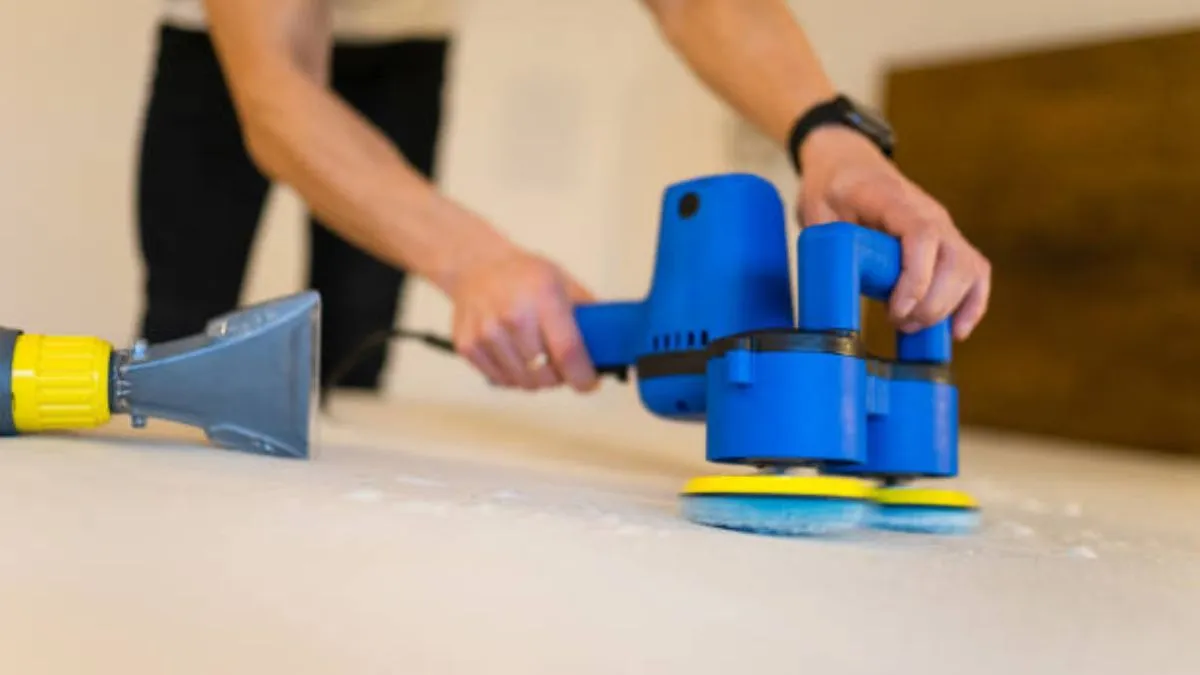
When several rooms need more than routine cleaning, the messiest-looking space is not always the best place to begin. A cluttered bedroom may look overwhelming but contain mostly clothes and surface dust, while a tidy-looking bathroom may have hardened residue around fixtures, damp edges, and buildup that becomes more difficult to remove the longer it sits.
A better approach is to rank rooms by what is happening in them.
Food residue, moisture, odors, heavy daily use, and layered grime usually deserve attention before cosmetic dust in a low-use space. Timing matters too. A room that is about to receive furniture or storage may become much harder to clean once those items are in place.
Thinking this way turns deep cleaning into a priority problem rather than a race through every room.
Table of Contents
First Priority: Rooms With Active Moisture
Bathrooms, laundry spaces, and areas around sinks deserve an early check because moisture changes how buildup behaves.
Look for standing water around fixture bases, damp floor edges, shower residue, or surfaces that remain wet longer than expected.
Cleaning can remove ordinary soap film, hair, and surface grime, but it may also reveal a maintenance issue.
A leaking connection beneath a sink, failed caulk, or recurring moisture around a fixture should not simply be scrubbed and ignored.
If the underlying problem remains, the freshly cleaned area may become dirty or damp again almost immediately.
That is why moisture-related rooms often belong near the top of the list.
Second Priority: Kitchens With Food and Grease Buildup
Food residue changes over time.
Fresh crumbs are simple to remove.
Sticky cooking film, dried sauce, and grease that has collected dust are more demanding.
Inspect more than the main countertop.
Look around:
- Cabinet pulls
- Backsplash edges
- Stove surroundings
- Appliance handles
- Lower cabinet fronts
- Sink edges
- Floor areas near food preparation
A kitchen that mainly has today’s crumbs may need routine cleaning.
A kitchen with tacky cabinet fronts, grease around the range, and older residue near appliances is showing a different level of buildup.
Those layers usually deserve attention before light dust in a room that is rarely used.
Third Priority: The Bathroom with the Heaviest Use
Not every bathroom deserves the same place in the cleaning order.
A primary bathroom used several times each morning and evening may accumulate far more residue than a guest bathroom that sits untouched for weeks.
Look at actual use.
Check the sink, faucet base, toilet exterior, shower or tub edges, vanity, floor, and other high-contact areas.
If soap residue, hair, grooming products, and water spots are appearing repeatedly, the room may need more detail than its size suggests.
This is why square footage is a poor way to rank deep-cleaning priorities.
A small bathroom can require more work than a much larger bedroom.
Fourth Priority: Rooms With Odor Source
Odor often points toward something that should be addressed before cosmetic dust.
The source may be:
- Food Waste
- Damp laundry
- Pet bedding
- Upholstery
- Trash residue
- Wet towels
- Spills that were not fully cleaned
Do not begin by covering the smell with fragrance.
Find where it is strongest.
A family room may smell stale because of a pet sleeping area. A laundry room may have damp fabric sitting in a hamper. A kitchen odor may be coming from the waste bin rather than the counters.
Deep cleaning is more useful when it reaches the source instead of masking the symptom.
Fifth Priority: Shared High-Contact Spaces
Some rooms move up the list simply because everyone uses them.
Family rooms, kitchens, entryways, and shared bathrooms collect a combination of hand contact, floor debris, dust, and everyday residue.
Pay attention to:
- Door handles
- Cabinet hardware
- Railings
- Table edges
- Light switches
- Frequently used seating
- Main walking paths
These areas do not necessarily need stronger cleaning products.
Their priority comes from repeated use.
A spare room with visible dust may still be less urgent than a shared space where several people are touching and using the same surfaces every day.
Give Pet Zones Their Own Priority Score
Pets can make one part of a room much dirtier than the rest.
A bedroom may be generally clean except for the area around a pet bed.
A kitchen may have dried water and food residue around bowls.
An entry may collect soil where a dog returns from walks.
Do not automatically assign the whole room a deep-clean priority because of one concentrated pet zone.
Clean or inspect that section first.
Then reassess the rest of the room.
A localized source of hair, dander, grit, or food residue may need focused attention rather than a full-room deep clean.
Layered Buildup Usually Ranks Above Fresh Dust
Fresh dust and bonded grime are not equal cleaning problems.
Run a clean cloth over a questionable surface.
If the dust lifts easily and leaves the material looking normal, the area may not be urgent.
If the surface remains tacky, dark, or grimy after the loose layer is removed, older residue may be underneath.
This often happens around:
- Cabinet hardware
- Door edges
- Bathroom fixture bases
- Trim
- Frequently touched surfaces
Sticky buildup attracts more dust, hair, and debris over time.
That is why it often deserves attention before a dry surface that can be cleaned quickly later.
Consider Which Rooms Are About to Lose Access
Cleaning priority is not based only on dirt.
Sometimes timing matters more.
A bedroom may be receiving a large wardrobe tomorrow.
A closet may soon be packed with seasonal storage.
A guest room may be prepared for visitors.
A living area may be getting new furniture.
If a surface is easy to reach now but will become hidden soon, move it higher on the list.
The room may not be the dirtiest in the house, but the opportunity to clean it easily is about to disappear.
That creates a different kind of urgency.
Turn the Priority List into Brief Cleaning
Once the rooms have been ranked, write the reason beside each one. “Primary bathroom first because moisture and soap buildup are concentrated around the shower. Kitchen is second because older grease is collecting near the range. The guest bedroom lasts because it only has light dust.” That is much clearer than simply asking for the whole home to be deep cleaned.
The same ranking can guide a visit from Boise House Cleaning Co. Instead of treating every room as equally urgent, the household can identify where professional deep cleaning should begin and which lower-pressure spaces can wait if the heavier bathroom grime, kitchen residue, or high-traffic buildup takes more time than expected.
This turns the priority system into a practical scope for the cleaning rather than just a personal checklist.
Leave Low-Use Rooms Until Later
A room does not need deep cleaning merely because it exists.
Guest bedrooms, formal dining rooms, hobby spaces, and storage rooms may remain in relatively good condition if they receive little daily use.
Inspect them before adding them to the main workload.
If the surfaces show only light dust and there is no moisture, odor, food residue, or heavy traffic, the room can often wait.
This keeps time and effort focused on the places where cleaning will make the biggest practical difference.
Low-use rooms can still be included later without competing with higher-priority problems.
Separate Clutter from Surface Condition
A cluttered room can look worse than it really is.
After clothes, toys, paperwork, or other belongings are put away, the surfaces underneath may need only routine dusting and vacuuming.
Before ranking a cluttered room for deep cleaning, clear enough belongings to see the floor and main surfaces.
Then reassess.
A child’s bedroom covered with toys may need organization and ordinary floor care.
A nearly empty bathroom with old residue around fixtures may require much more detailed cleaning.
Visual disorder and cleaning difficulty are not the same thing.
Use a Simple Three-Question Test
If the order still feels unclear, ask three questions.
Is the problem getting worse while it waits?
Think about moisture, food residue, sticky grime, and odors.
Is the room used heavily?
Shared spaces generally deserve earlier attention than rooms nobody enters regularly.
Will access become more difficult soon?
Furniture, guests, unpacking, storage, or household schedules can all reduce cleaning access.
A room that receives a “yes” to two or three of these questions probably belongs near the top of the list.
This test keeps decisions focused on condition and timing instead of appearance alone.
Do Not Deep Clean Every Room at Once
Once the priorities are clear, resist the temptation to begin six rooms simultaneously.
Finish the highest-ranked room first.
Then move to the next.
Completing one bathroom or kitchen creates an immediate clean baseline.
Half-cleaning several rooms leaves the household disrupted without completely solving any of the original problems.
Working in sequence also makes it easier to stop if time runs out.
The most important rooms have already been handled.
If Boise House Cleaning Co is carrying out the professional cleaning, the same order can keep the work focused: complete the highest-pressure areas before spending time on rooms that only need minor attention.
Recheck Priorities After Each Finished Room
The cleaning order does not have to remain fixed.
Completing one room may change what matters next.
Once the kitchen has been reset, you may discover that the dining area needs only routine vacuuming.
Cleaning the main bathroom may reveal that the hallway floor has more debris than expected.
A pet zone may turn out to be much easier to restore than it first appeared.
Reassess after each major area.
Prioritizing is supposed to guide effort intelligently, not lock the household into a rigid sequence.
Watch for Rooms That Become Dirty Again Immediately
A newly deep-cleaned room can also provide useful information.
If one area looks dirty again almost immediately, ask why.
A kitchen floor may be picking up debris from the entryway.
The bathroom may remain damp because ventilation is poor.
A family room may collect pet hair quickly because it contains the main sleeping spot.
Deep cleaning removes accumulated residue, but it can also expose the patterns creating it.
Those observations can help shape the maintenance routine that follows.
Restore the Baseline Before Setting a New Schedule
The purpose of prioritizing deep cleaning is not merely to decide which room looks best first.
It is to restore the parts of the home where the cleaning baseline has slipped the most.
Once those rooms have been handled, routine maintenance becomes easier to plan.
A kitchen that no longer has old grease around cabinet pulls may need only regular wiping.
A bathroom with fixture buildup removed may become easier to maintain through shorter cleaning sessions.
Deep cleaning should reduce future workload rather than become an endlessly repeated project.
Let Condition Determine the Starting Point
The room that looks worst is not always the room that deserves deep cleaning first.
Begin with active moisture, food and grease buildup, heavily used bathrooms, odor sources, and shared high-contact areas.
Then consider pet zones, layered residue, and spaces that are about to become harder to access.
Low-use rooms with light dust can wait.
This approach turns deep cleaning into a triage process.
Instead of giving every room equal time, you direct the most attention toward the places where buildup is active, difficult to remove, or likely to become more disruptive. That makes the overall cleaning project easier to manage without wasting effort on rooms that were never urgent in the first place.


Chief Technical Examiner: Roles, Rules and Responsibilities

When Should You Visit an Orthopaedic Clinic for a Sports Injury?

How to Choose an E-Bike for a More Active Everyday Lifestyle

What is Chin Mudra? Discover Its Meaning and Health Benefits

Classroom20x: Future of Hybrid Learning Explained

Exploring the World of Futbolear: A Comprehensive Guide

LeahRoseVIP: Trusted Lifestyle Magazine for Holistic Wellbeing

Daily Spine Care: Simple Habits for Less Strain and More Comfortable Movement

Switching 2nd: Understanding the Shift into Second Gear

Hamro Solar LLC: Leading Renewable Energy Solutions

Ausbeulstation: Advanced Automotive Dent Repair

AHGRL in AI: Scalable Graph-Based Reinforcement Learning

Do a Barrel Roll: Iconic Gaming Phrase and Google Trick

Google Doodle Today: Culture, History, and Innovation

Slylar Box: Modular & Smart Storage for Modern Spaces
-
 GENERAL1 year ago
Christofle – For Those Who Dream of Family Heirloom Silver
-
GENERAL10 months ago
Uncovering the World of кинокрадко: The Dark Side of Film Piracy
-
SPORTS2 months ago
Discover the World of Football with Streameast: Watch Your Favorite Leagues and Tournaments
-
HOME IMPROVEMENT2 years ago
Spacious and Stylish 300cm Round Rugs: Elegant and Modern Designs for a Chic Home Decor