
HEALTH AND FITNESS
How Oral Health Affects Total Body Wellness in Dentistry

Key Takeaways
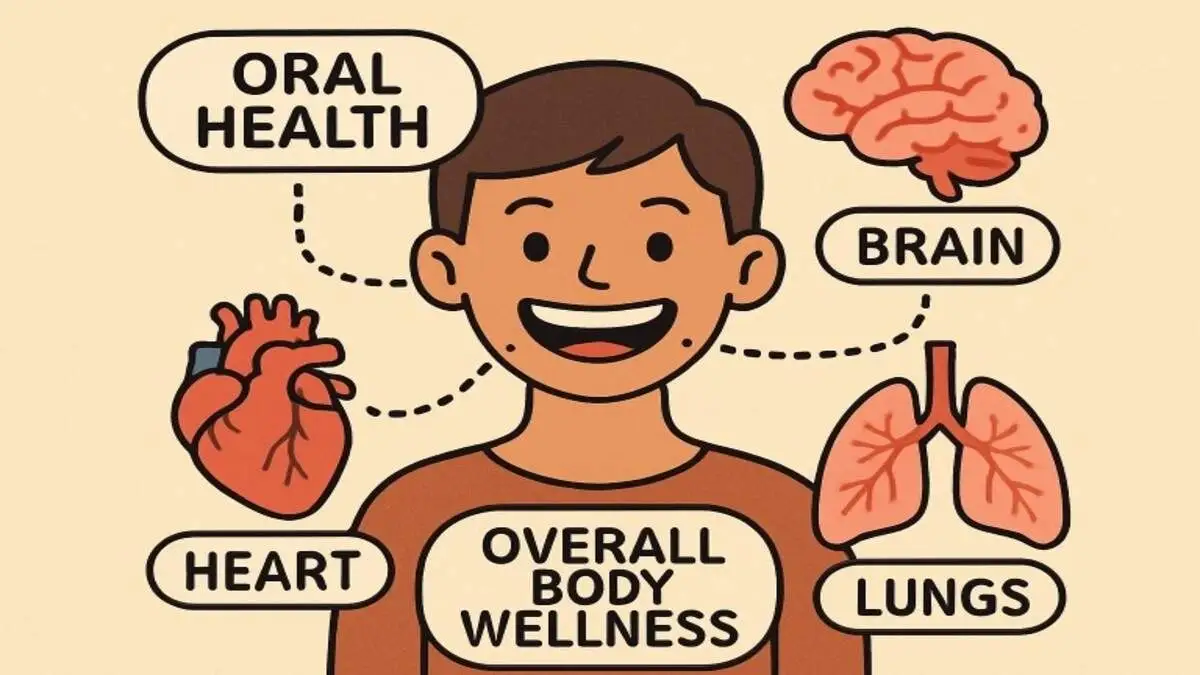
- Oral health directly impacts overall wellness, influencing systems such as cardiovascular, respiratory, and cognitive function.
- Poor oral hygiene can allow harmful bacteria to enter the bloodstream, contributing to inflammation and systemic disease.
- Gum disease is linked to higher risks of heart disease, stroke, diabetes complications, and respiratory infections.
- Maintaining good oral hygiene, regular dental visits, and preventive care can reduce health risks and improve long-term outcomes.
- A holistic approach to oral health supports both aesthetic and functional benefits, promoting total body wellness.
Table of Contents
Introduction
Oral health plays a fundamental role in supporting total body wellness. The state of your mouth can be a mirror for your overall health, signaling systemic issues and influencing other bodily systems in subtle and profound ways. Many people focus on maintaining their teeth and gums for aesthetic reasons, but dental care impacts so much more than the appearance of your smile. For anyone looking to support their health, seeking a trusted New York dentist is an essential first step in managing both oral health and broader medical risks.
The connection between oral hygiene and general wellness is supported by growing scientific evidence. From supporting cardiovascular well-being to minimizing the risk of chronic infections, good dental habits benefit nearly every major body system. Moreover, ignoring oral care can lead to cascading health effects, highlighting the importance of adopting a comprehensive approach to dentistry.
The Mouth-Body Connection
The mouth is an important entry point for bacteria, both beneficial and harmful. When oral hygiene is poor, harmful bacteria can grow unchecked. These microbes may enter the bloodstream, travel throughout the body, and contribute to inflammation or infection in various organs. Multiple studies link gum disease (periodontitis) with an increased risk of health issues like stroke and heart disease. Maintaining healthy teeth and gums is more than a cosmetic routine; it is an important part of safeguarding your overall health. According to a report from the Centers for Disease Control and Prevention (CDC), oral health is closely linked to chronic disease risk and quality of life.
Gum inflammation, in particular, illustrates the mouth-body connection. If left untreated, chronic gum disease produces persistent inflammation that can affect blood vessels and may trigger or worsen other chronic conditions. Effective oral hygiene habits, such as routine brushing and flossing, decrease the population of harmful bacteria, subsequently lowering these health risks. Research highlighted by the American Heart Association shows that basic dental routines may translate into significant reductions in adverse health outcomes, such as stroke events, by reducing the bacterial load entering the bloodstream.
Impact on Heart Health
The link between periodontal disease and cardiovascular health is one of the most well-established mouth-body relationships. Studies indicate that gum disease can potentially contribute to the development and progression of atherosclerosis, the buildup of plaque in the arteries. Harmful oral bacteria may enter the bloodstream, contributing to the formation of arterial plaques, which can eventually lead to heart attacks or strokes. Preventive dental care, including professional cleanings and periodontal evaluations, is a vital measure for those at risk of heart disease. The American Heart Association acknowledges that poor oral health practices are correlated with higher rates of cardiovascular conditions, so making dental check-ups a priority can be a crucial preventive measure.
Diabetes and Oral Health
A close, two-way relationship exists between diabetes and gum disease. On one hand, people with diabetes are at greater risk for oral infections and more severe gum disease due to impaired blood sugar control. On the other hand, unchecked gum infections can make diabetes harder to manage by interfering with blood sugar stabilization. Regular dental visits, careful plaque removal, and managing blood glucose are foundational steps for anyone with or at risk for diabetes. This direct relationship underscores the necessity for diabetic patients to partner closely with both dental and medical providers to support their health goals.
Respiratory Health Concerns
The oral cavity is directly connected to the airway, making respiratory health another domain where dentistry plays a crucial role. Inhaling bacteria from dental plaque or infected gums may lead to respiratory infections, such as pneumonia, especially in older adults or those with compromised immune systems. Chronic oral infections can aggravate conditions such as chronic obstructive pulmonary disease (COPD) and bronchitis. Evidence suggests that comprehensive oral care, including professional cleanings and early treatment of gum disease, helps reduce the frequency and severity of respiratory complications.
Oral Health and Cognitive Function
Recent studies have investigated the potential link between oral infection and cognitive decline. There is emerging evidence that chronic periodontal disease is related to the progression of dementia and Alzheimer’s disease. Harmful bacteria from gum disease, such as Porphyromonas gingivalis, have been detected in the brains of Alzheimer’s patients. These bacteria release toxins that, when they reach the brain via the bloodstream, may trigger inflammation seen in neurodegenerative conditions. Protecting cognitive function may therefore start with protecting the gums.
Preventive Measures for Optimal Health
Good oral hygiene and preventive care are cornerstones of both oral and overall wellness. Here are key steps to help safeguard your health:
- Brush your teeth at least twice daily using fluoride toothpaste.
- Floss daily to remove plaque and food particles between teeth.
- Visit your dentist for regular examinations and professional cleanings.
- Eat a diet rich in fruits, vegetables, and lean proteins to support the strength of your gums and teeth.
- Limit or eliminate tobacco and reduce alcohol consumption, both of which are risk factors for gum disease and other health conditions.
Pursuing these preventive measures is about much more than dental aesthetics. They are proven strategies for reducing the risk of chronic illness and promoting whole-body wellness.
Final Thoughts
Oral health is foundational to total body wellness. Issues that arise in the mouth can reverberate throughout the body, influencing everything from the heart to the brain. By prioritizing oral hygiene, seeking regular dental care, and addressing dental issues proactively, individuals can take meaningful steps to enhance their health and quality of life. Whether you are managing a chronic disease or aiming to prevent future illness, maintaining good oral health remains an essential tool in your wellness journey.


Social Media Scheduler Guide: Features, Benefits, Best Practices & Tools

Eagle Pose: Quick and Easy Guide

Happy Baby Pose: Benefits, Steps, and Tips for Beginners

Detoxify Your Body and Mind with Dragon Pose: A Step-by-Step Guide

HGH Peptides Buy Online: What to Know Before You Buy Peptides

Printed Mailer Boxes: How Printed Mailer Boxes Improve the Unboxing Experience

How Influencer Packaging Campaigns Boost Brand Awareness

How Outdoor Activities Improve Retirement Quality of Life

Why Businesses Trust TekRevol for Healthcare App Development

Flemington’s Complete Healthcare Network: Top Providers Working Together for Community Wellness

How Shared Workspaces Accumulate Bacteria in Places Nobody Thinks to Clean

How Varifocal Glasses Are Better Than the Rest

How Guests Leave a Space Differently Than Residents and What That Means for Effective Cleaning Practices

Retail Store Layout Mistakes That Cost Businesses Sales

Common Conditions Managed by Rheumatologists in Singapore
-
 GENERAL1 year ago
Christofle – For Those Who Dream of Family Heirloom Silver
-
SPORTS1 year ago
Discover the World of Football with Streameast: Watch Your Favorite Leagues and Tournaments
-
GENERAL7 months ago
Uncovering the World of кинокрадко: The Dark Side of Film Piracy
-
GENERAL4 months ago
Unveiling the Art of преводсч: How Translators Bridge Language Barriers