
Tech
Do You Still Have to Pedal an Electric Bike?

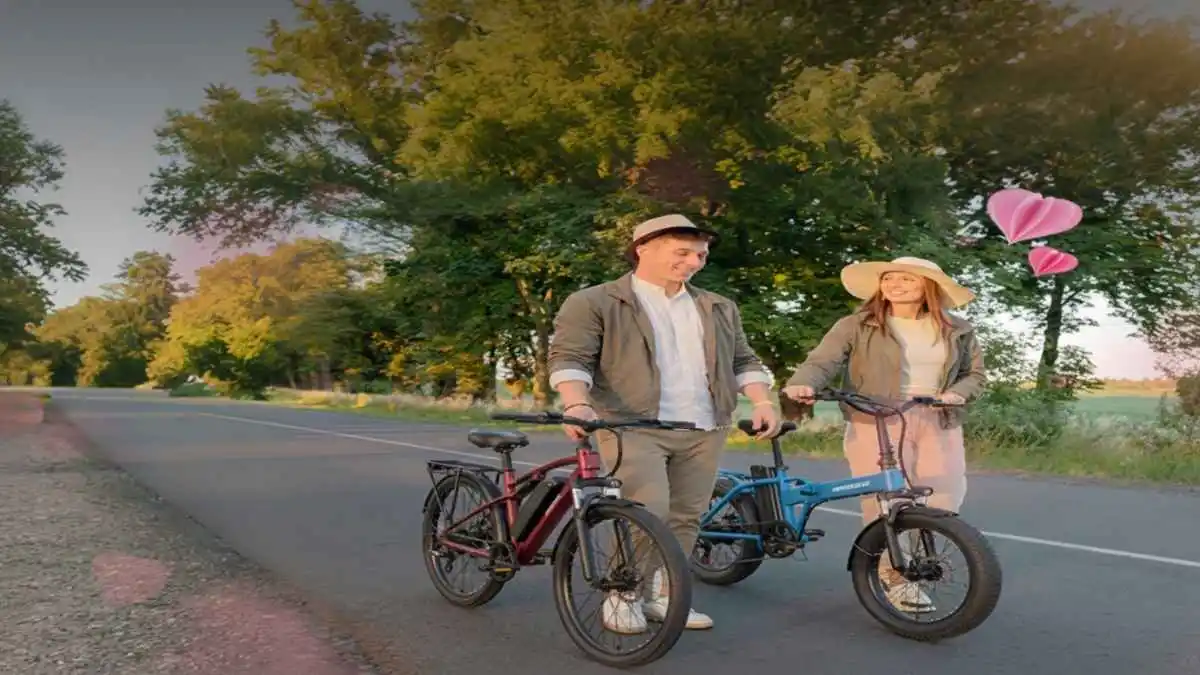
Electric bikes have become common enough that many people assume they already understand how they work. Yet one basic question still appears frequently in search results and conversations: do you still have to pedal an electric bike?
The confusion is understandable. The word “electric” suggests automation, while bicycles are traditionally human-powered. The reality sits somewhere in between and understanding that difference helps riders choose the right type of electric two-wheeler without unrealistic expectations.
Table of Contents
The Short Answer: Yes, Pedaling Is Usually Required
For most electric bikes, pedaling is still part of the experience.
Most electric bikes on the market today use pedal-assist systems. That means the motor supports your effort rather than replacing it. When you pedal, the motor aids. When you stop pedaling, the assistance typically stops as well.
This design keeps electric bikes closer to traditional bicycles in how they feel and how they’re regulated, while reducing the physical effort required, especially on hills or longer rides.
How Pedal Assist Actually Works
Pedal-assist systems are designed to respond to rider input. Sensors detect cadence, torque, or speed, and the motor adds power accordingly. The result is a smoother, lighter riding experience rather than a fully motor-driven one.
Some electric bikes also include a throttle, but in most cases it’s meant for limited use such as helping you get started from a stopnot for continuous riding without pedaling.
In everyday riding, pedaling remains central. The motor amplifies what you do rather than doing the work for you.
Why This Design Is Intentional
Pedaling isn’t required by accident, it’s part of how electric bikes are meant to function.
From a practical standpoint, pedal-assist improves efficiency and extends battery range. Sharing the workload between rider and motor allows electric bikes to travel farther without increasing battery size or weight.
From a regulatory standpoint, pedaling is also important. In many regions, electric bikes are legally classified as bicycles because they require rider input. Remove pedaling from the equation, and the vehicle often falls into a different category with different rules.
Why So Many People Are Still Confused
Much of the confusion comes from grouping all electric two-wheelers under one mental label.
People see electric scooters, mopeds, motorcycles, and bikes, and assume they all work similarly. Electric bikes occupy a specific niche: they’re still bikes first, with electric assistance layered on top.
This misunderstanding often shows up in questions like whether pedaling is optional, or whether the motor takes over completely on hills. In most cases, it doesn’t.
As a brief aside because the terminology often gets mixed up you may also come across electric dirt bikes. These are a different category entirely.
Electric dirt bikes are closer in use and design to gas dirt bikes, powered by electricity instead of fuel. They’re throttle-controlled, don’t involve pedaling, and are built for off-road riding rather than bicycle-style use.
Do You Have to Pedal Uphill on an Electric Bike?
Yes, though “pedal” doesn’t necessarily mean “struggle.”
On hills, the motor reduces how much effort is required, but pedaling is still expected. The bike assists rather than replaces your input, making climbs more manageable without removing physical engagement entirely.
This balance is one of the reasons electric bikes appeal to such a wide range of riders. You stay involved in the ride, but fatigue becomes less of a limiting factor.
When an Electric Bike Might Not Match Expectations
Electric bikes work best when riders understand what they’re designed for.
If someone expects a fully motor-driven experience without pedaling, an electric bike may feel underwhelming. That doesn’t mean the bike is lacking, it simply means it’s doing exactly what it’s designed to do.
Matching expectations to the category is key. Electric bikes prioritize assisted riding, not replacement of effort.
Choosing the Right Electric Riding Experience
Understanding whether pedaling is required helps clarify what kind of riding experience you’re looking for.
Electric bikes make sense for commuting, fitness, and mixed-use riding where pedaling is part of the appeal. Other electric-powered machines exist for riders who want a different experience, but they fall into separate categories with different purposes and rules.
Knowing the difference before you buy prevents disappointment later.
Final Thoughts
In most cases, yes and that’s intentional. Pedaling keeps electric bikes efficient, engaging, and aligned with how bicycles are meant to function. The motor supports the ride rather than replacing it. As electric-powered riding continues to expand into different categories, understanding these distinctions makes it much easier to choose the right option and avoid confusion caused by the word “electric” alone.


When the Mat Becomes a Mirror: Mindfulness, Emotional Regulation, and the Practice That Actually Lasts

Youtu-chan: Your Daily Dose of Anime & Game News

How Long Do Custom Orthotics Last? A Brampton Patient’s Guide

CoWordle: The Ultimate Multiplayer Word Game Experience

Solu Computer Review: Cloud-Based Mini PC

Coyyn.com: Revolutionizing Decentralized Finance (DeFi)

Exhentaime: The Art of Efficient Time Management

Cyanová : The Versatile Blue-Green Pigment Across Art, Design, and Nature

OnionPlay: The Shocking Truth About Free Streaming

Speciering: The Evolutionary Path to New Species

Tesla Balance Bike Explained: What the New Launch Means for Families and EV Fans

How to Find a Reliable Georgia Moving Company Without Overpaying

Joi Database: A Practical Guide to Data Validation and Database Integrity

AI Image Generators Explained: What They Are and Who’s Actually Using Them

Best Personal Trainer Software With a White-Label Branded App (2026)
-
 GENERAL1 year ago
Christofle – For Those Who Dream of Family Heirloom Silver
-
SPORTS1 year ago
Discover the World of Football with Streameast: Watch Your Favorite Leagues and Tournaments
-
GENERAL7 months ago
Uncovering the World of кинокрадко: The Dark Side of Film Piracy
-
GENERAL3 months ago
Unveiling the Art of преводсч: How Translators Bridge Language Barriers