
GENERAL
Pravi Celer: Stalk Celery Uses, Benefits, and Identity

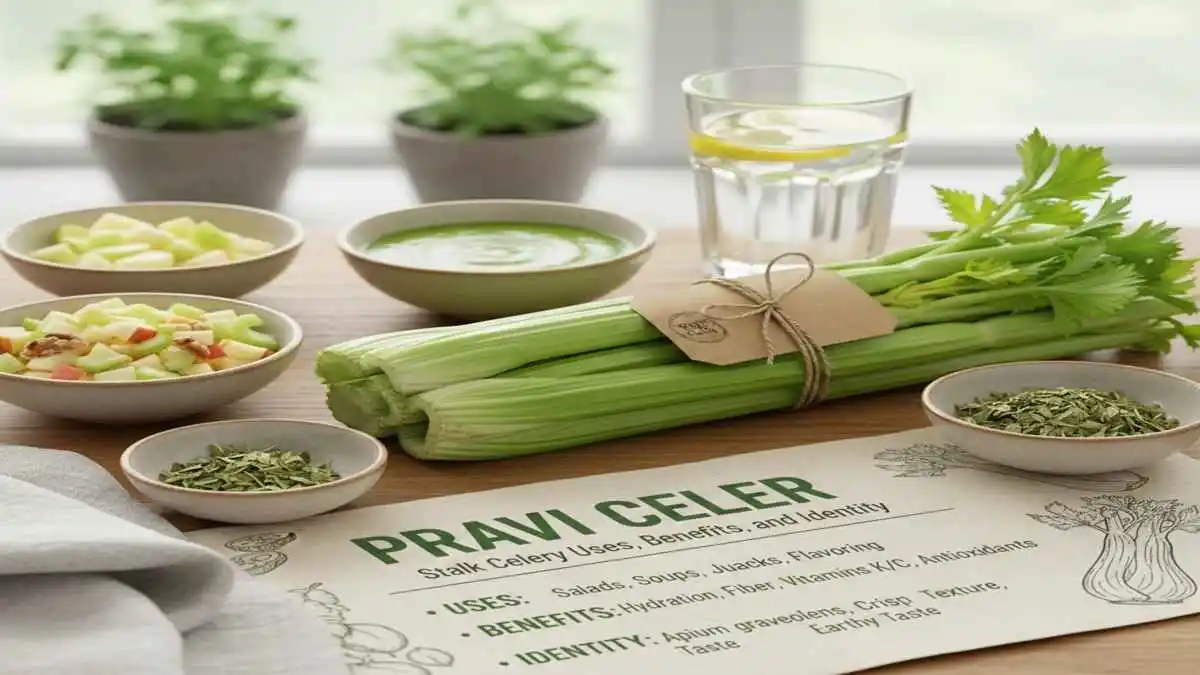
Pravi celer is a South Slavic term used to describe stalk celery, the familiar green vegetable characterized by long, fibrous stalks and aromatic leaves. The phrase literally translates to “real” or “true” celery and serves an important linguistic and culinary purpose: distinguishing stalk celery from celeriac, the root variety of celery often used in soups and stews. While both belong to the same botanical species, Apium graveolens, their culinary roles, textures, and uses differ significantly.
In everyday cooking across Southeast Europe and beyond, pravi celer is valued for its fresh flavor, crisp texture, and versatility. It is commonly used both raw and cooked, appearing in salads, broths, stir-fries, and aromatic bases for various dishes.
Table of Contents
Botanical Classification and Plant Characteristics
Pravi celer belongs to the species Apium graveolens, a member of the Apiaceae family, which also includes parsley, carrots, and fennel. Unlike celeriac (Apium graveolens var. rapaceum), which is cultivated for its bulbous root, pravi celer (Apium graveolens var. dulce) is grown for its elongated stalks and leafy tops.
The plant typically develops tightly clustered stalks that range in color from pale green to deep emerald, depending on cultivation methods. The leaves are feathered and aromatic, often used as a herb in cooking. The stalks contain high water content, contributing to their crunch and refreshing taste.
Culinary Uses of Pravi Celer
Raw Applications
One of the defining qualities is its suitability for raw consumption. Its crisp texture and mild, slightly peppery flavor make it a common ingredient in:
- Fresh vegetable salads
- Crudité platters
- Green smoothies and juices
- Cold pasta or grain salads
Raw celery stalks are often paired with acidic or creamy elements, which balance their subtle bitterness and enhance their natural aroma.
Cooked Dishes and Aromatic Bases
When cooked, pravi celer becomes softer and more aromatic, releasing essential oils that contribute depth to dishes. It is frequently used as part of a mirepoix-style base, alongside onions and carrots, in:
- Soups and broths
- Stews and sauces
- Risottos and pilafs
- Stir-fries and sautéed vegetable dishes
Unlike celeriac, which has a dense and earthy profile, it adds brightness and freshness to cooked foods.
Nutritional Profile and Health Considerations
Pravi celer is known for its low-calorie content and high water percentage, making it a common component of balanced diets. It contains essential vitamins and minerals, including:
- Vitamin K, important for normal blood clotting
- Vitamin C, supporting immune function
- Potassium, contributing to electrolyte balance
- Dietary fiber, aiding digestion
Celery also contains natural plant compounds such as flavonoids and antioxidants, which are studied for their role in reducing oxidative stress. While it is not a medicinal food, pravi celer contributes to overall dietary variety and nutritional intake.
Pravi Celer vs. Celeriac: Key Differences
| Feature | Pravi Celer | Celeriac |
| Edible part | Stalks and leaves | Root |
| Texture | Crisp, fibrous | Dense, starchy |
| Common uses | Salads, soups, aromatics | Stews, purées, roasts |
| Flavor | Fresh, slightly bitter | Earthy, nutty |
Understanding this difference helps avoid confusion in recipes and ensures appropriate substitutions in cooking.
Cultural and Regional Significance
In Balkan and South Slavic culinary traditions, pravi celer is a foundational ingredient. It is commonly used in homemade broths, vegetable bases, and traditional soups where its aroma signals comfort and familiarity. The term itself reflects culinary precision, ensuring that recipes specify the correct type of celery for the intended dish.
Beyond the region, stalk celery is widely used in Mediterranean, Middle Eastern, and Western cuisines, demonstrating its global adaptability.
Storage and Preparation Best Practices
To maintain freshness, pravi celer should be stored in the refrigerator, ideally wrapped in a breathable material such as a cloth or perforated bag. When prepared properly, it retains its crunch and aroma for several days.
Before use:
- Wash stalks thoroughly to remove soil
- Trim the base and tough outer fibers if necessary
- Separate leaves for use as a garnish or herb
Celery leaves, often discarded, are edible and flavorful, making them suitable for stocks, pestos, or seasoning.
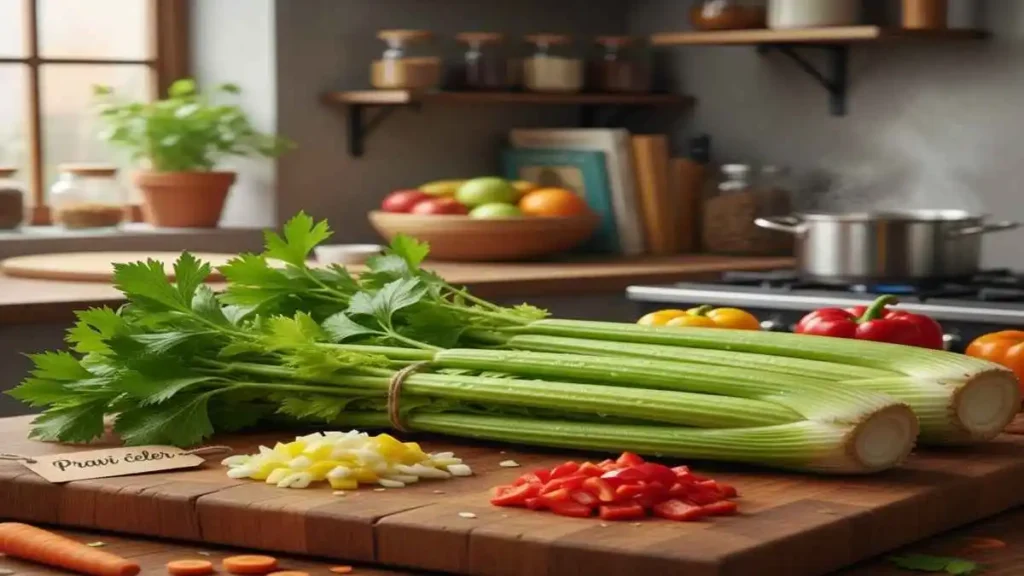
Modern Dietary Trends
Pravi celer has gained renewed attention through trends such as cold-pressed vegetable juices and plant-forward eating patterns. While it should not be overstated as a cure-all food, its hydration properties and compatibility with various dietary preferences contribute to its continued popularity.
Its neutral flavor profile allows it to blend seamlessly into diverse cuisines without overpowering other ingredients.
FAQs
1. Is Pravi Celer suitable for people with celery allergies?
No, it contains the same allergenic compounds as other celery varieties and should be avoided by individuals with celery sensitivity.
2. Can Pravi Celer be grown in home gardens or containers?
Yes, it can be successfully grown in home gardens and deep containers with consistent moisture and cool temperatures.
3. Does cooking it reduce its nutritional value?
Light cooking may reduce some heat-sensitive vitamins, but generally preserves minerals and fiber.
Conclusion
Pravi celer represents more than just a common vegetable; it is a clearly defined culinary concept rooted in botanical accuracy and regional tradition. As the stalk variety of Apium graveolens, it plays a distinct role separate from celeriac, offering crisp texture, fresh flavor, and broad culinary versatility. Whether consumed raw in salads or cooked as part of a flavorful base, it remains an essential ingredient in kitchens worldwide. Understanding its characteristics, uses, and distinctions ensures more accurate cooking and a deeper appreciation of this widely used yet often misunderstood vegetable.


How to Strengthen Ankles: Find the Weak Link, Then Train It

Bird of Paradise Yoga: How to Master the Pose Safely

What is Acroyoga? A Beginner’s Guide to Yoga, Acrobatics, and Partner Lifts

Happy Baby Pose: Benefits, Steps, and Tips for Beginners

Detoxify Your Body and Mind with Dragon Pose: A Step-by-Step Guide

Faibloh: AI-IoT-Blockchain Framework for Sustainable Growth

Sleep Apnea: The Silent Condition Disrupting Your Rest and Health

Book32: Best Online Platform for Self-Publishing and Book Lovers

How Respite Care Supports Independence & Wellbeing

7 Science-Backed Benefits of Pilates for Busy Professionals in Vancouver

Managed Vision Care: A Smarter Solution for Workplace Eyecare

Spinal Decompression at Home: What It Actually Does and Who It’s For

How Organic Rug Cleaning Can Support a Healthier Yoga Practice

Easy Ways to Create a Comfortable Space for Yoga and Relaxation

How to Create a More Peaceful Space for Yoga and Meditation
-
 GENERAL1 year ago
Christofle – For Those Who Dream of Family Heirloom Silver
-
SPORTS2 weeks ago
Discover the World of Football with Streameast: Watch Your Favorite Leagues and Tournaments
-
HOME IMPROVEMENT1 year ago
Spacious and Stylish 300cm Round Rugs: Elegant and Modern Designs for a Chic Home Decor
-
GENERAL8 months ago
Uncovering the World of кинокрадко: The Dark Side of Film Piracy