
HEALTH AND FITNESS
What Preparedness Looks Like in High-Acuity Care Environments

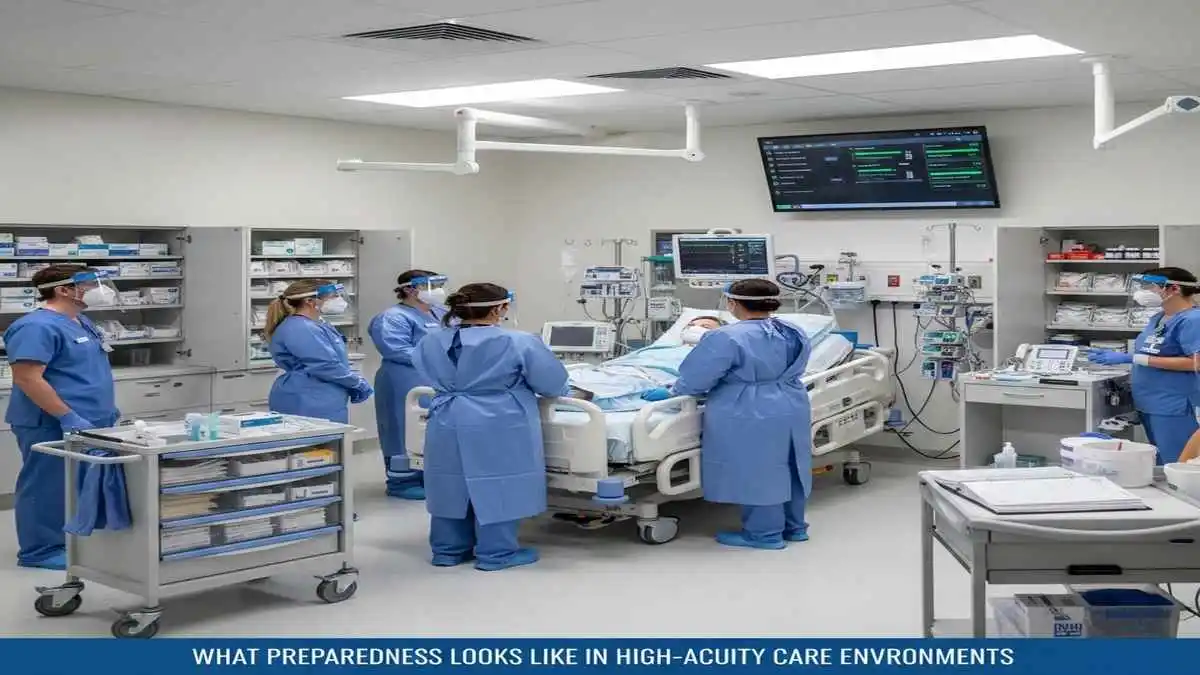
High-acuity care environments run on anticipation as much as reaction. Patients arrive with complex needs, conditions change without warning, and clinicians operate in a state of constant readiness. Preparedness here does not come from memorizing protocols alone. It develops through repeated exposure, continuous learning, and the ability to process information clearly while managing intense pressure. Every decision, observation, and handoff carries weight because the margin for delay is narrow.
Healthcare today adds a particular element to this reality. Advanced monitoring technology, evolving treatment standards, and interdisciplinary care models shape how preparedness looks in practice. Teams must integrate clinical skill, technical fluency, and emotional steadiness while navigating fast-moving scenarios.
Table of Contents
Clinical Readiness
Advanced clinical readiness sits at the core of high-acuity care. Nurses and clinicians must recognize subtle changes, anticipate complications, and act decisively while balancing competing priorities. This level of readiness grows through continued learning, exposure to complex cases, and deliberate skill development. For nurses in particular, expanding clinical knowledge supports stronger assessment, effective prioritization, and greater confidence during critical moments.
Further education plays a meaningful role in this process. Many nurses pursue affordable RN to BSN online programs to deepen clinical reasoning while continuing hands-on work. Online pathways allow nurses to apply new concepts directly to high-acuity settings rather than separating education from practice. Programs that emphasize leadership, evidence-based care, and systems thinking strengthen readiness across the unit. William Paterson University stands out for offering a curriculum that connects advanced nursing education with real clinical demands. Its RN to BSN program supports professional growth while reinforcing the decision-making skills required in high-acuity environments.
Continuous Monitoring
Preparedness in high-acuity care depends heavily on continuous monitoring. Vital signs, telemetry, lab trends, and behavioral cues provide early signals that guide intervention. Clinicians trained to interpret this data holistically develop a sharper sense of patient trajectory rather than relying on isolated numbers.
Monitoring systems support early action, but awareness remains essential. Nurses and providers scan beyond screens, observing breathing patterns, skin tone, responsiveness, and subtle shifts in behavior. This vigilance allows teams to respond before conditions escalate.
Rapid Decisions
Decision-making in high-acuity care happens under persistent instability. Conditions evolve quickly, and clinicians must evaluate options without full information. Preparedness here involves recognizing patterns, drawing on experience, and trusting clinical judgment while collaborating with the team.
Rapid decisions rely on preparation done long before the moment arrives. Familiarity with protocols, confidence in assessment skills, and clarity around roles support decisive action. Teams that practice these skills regularly respond with coordination rather than hesitation.
Updated Protocols
Treatment protocols change frequently in response to new evidence, technology, and clinical insights. High-acuity environments demand constant familiarity with these updates. Prepared clinicians stay current through training, peer discussion, and institutional education efforts.
Staying aligned with evolving protocols supports consistency across care teams. It reduces variation during emergencies and improves communication during handoffs. Preparedness appears in how easily clinicians adapt to updated standards without disrupting workflow.
Team Coordination
High-acuity care relies on coordination across specialties, roles, and experience levels. Nurses, physicians, respiratory therapists, pharmacists, and support staff operate as interconnected units rather than isolated professionals. Preparedness shows in how clearly teams communicate and how smoothly responsibilities shift as situations develop.
Effective coordination depends on mutual understanding of roles and shared expectations. Teams that train together develop trust, allowing information to move quickly without confusion.
Emotional Control
High-acuity settings place clinicians in emotionally charged situations on a daily basis. Rapid deterioration, family distress, and high-stakes outcomes demand emotional regulation alongside clinical skill. Preparedness includes the ability to remain present and focused without becoming detached or overwhelmed.
Emotional control develops through experience, mentorship, and self-awareness. Clinicians learn to recognize their own stress responses and manage them in real time. This steadiness supports clearer thinking, better communication, and more consistent patient care.
Unit Awareness
Situational awareness extends beyond the individual patient. In high-acuity environments, clinicians must maintain a mental map of the entire unit, including patient acuity levels, staffing balance, equipment availability, and emerging risks. Preparedness depends on seeing patterns rather than isolated events.
This broader awareness allows teams to anticipate needs before they become urgent. Clinicians notice changes in workload, rising instability across multiple patients, or gaps in coverage that require adjustment.
Simulation Training
Simulation-based practice plays a critical role in preparing teams for rare but life-threatening events. High-acuity scenarios often involve low-frequency, high-impact situations that demand precise coordination. Simulation allows teams to rehearse these moments without patient risk.
Preparedness improves when simulation shows real conditions, including time pressure, communication challenges, and equipment constraints. Repeated exposure builds muscle memory and shared expectations. Teams that train together respond with confidence and alignment when real events occur.
Escalation Paths
Proper escalation pathways define how and when urgent concerns move upward or outward for additional support. Preparedness depends on knowing exactly who to contact, what information to share, and how quickly action must follow. Uncertainty around escalation slows response and increases risk.
High-acuity environments require escalation processes that feel intuitive rather than procedural. Clinicians prepared for critical situations understand thresholds for action and trust the system to respond appropriately.
Fatigue Awareness
Sustained intensity places significant physical and cognitive demands on staff. Preparedness includes awareness of fatigue and its impact on performance. High-acuity clinicians monitor their own limits and recognize signs of reduced focus, slower reaction, or emotional depletion.
Organizations that prioritize preparedness encourage open recognition of fatigue rather than silence. Staff rotation, peer support, and self-monitoring contribute to safer care environments. Preparedness in high-acuity care environments is a layered capability built through education, practice, emotional regulation, and system support. Advanced learning strengthens clinical readiness, while monitoring, coordination, and situational awareness sustain response under pressure. True preparedness appears in how clinicians anticipate change, manage intensity, and support one another during critical moments.


Yoga Nidra: Deep Relaxation and Mindful Awareness

TamilYogi: Pirated Tamil Movies & TV Shows

Discover Jadeitový kameň: Symbol of Purity and Strength

Discover Mannacote: The Natural Alternative to Chemical Preservatives

Why Many Americans Purchase HGH in Mexico

Parvatasana Guide: Classical Roots & Modern Practice

Master Bhujangasana: Backbend Technique Explained

Messagenal and the Science of Clear Messaging

How Advanced Tooth Restoration Can Improve Oral Function

BCN Play OTT: Basic & Platinum Streaming Bundles

How Much Does Hair Transplant Cost in UAE

What is Chin Mudra? Discover Its Meaning and Health Benefits

Why Second Reads Matter For Complex Or Rare Cases

Telegraph247: A Comprehensive Guide to the Leading Online News Platform

Antarayas: Understanding and Overcoming Obstacles on the Path to Growth
-
 GENERAL8 months ago
Christofle – For Those Who Dream of Family Heirloom Silver
-
SPORTS10 months ago
Discover the World of Football with Streameast: Watch Your Favorite Leagues and Tournaments
-
GENERAL2 months ago
Uncovering the World of кинокрадко: The Dark Side of Film Piracy
-
GENERAL5 months ago
ATFBooru: Anime, Gaming, and Subculture Imageboard