GENERAL
Viltnemnda: Managing Norway’s Wildlife Sustainably

The Viltnemnda plays a central role in Norway’s approach to local wildlife management. As a municipal wildlife committee, it is responsible for balancing human needs with sustainable conservation practices. Norway’s diverse ecosystems, ranging from dense forests to mountainous terrain, support a wide range of species, including moose, deer, and smaller game animals. Ensuring the responsible management of these species is crucial for ecological harmony, public safety, and long-term biodiversity.
Table of Contents
What Is the Viltnemnda?
The Viltnemnda is a local administrative committee mandated by Norwegian law to manage wildlife within a municipality. It serves as the bridge between national wildlife regulations and local implementation, ensuring that conservation policies are adapted to regional conditions. The committee is typically composed of individuals with experience in wildlife biology, environmental management, hunting practices, and municipal governance.
Key Responsibilities of the Viltnemnda
1. Issuing Hunting Permits
One of its most recognized roles is regulating hunting activities. The committee reviews local wildlife data, especially regarding species such as moose (elg) and roe deer (rådyr), to determine how many permits can be issued each season. This ensures that hunting remains sustainable and supports population balance.
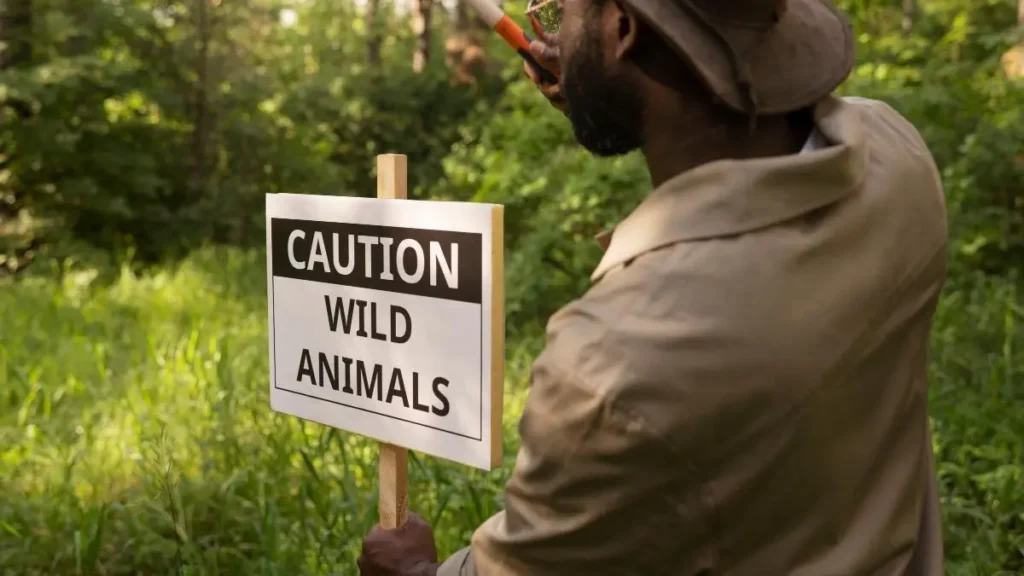
The issuance of hunting permits also considers factors such as:
- Population trends
- Habitat health
- Migration patterns
- Human-wildlife conflict reports
By grounding their decisions in scientific and field-based evidence, the committee supports responsible game management.
2. Monitoring Moose, Deer, and Other Game Species
Accurate wildlife monitoring is essential for effective conservation. The Viltnemnda plays a central role in tracking population sizes, observing animal health, and documenting changes in herd movements.
Monitoring activities may include:
- Field surveys
- Camera trapping
- Reporting from local hunters
- Collaboration with wildlife biologists
This data allows the committee to adjust local regulations, hunting quotas, and conservation strategies to protect both animals and ecosystems.
3. Conducting Wildlife Counts
Wildlife counts, especially moose and deer counts, are conducted regularly to evaluate population density, age distribution, and reproductive success. These counts are vital for maintaining ecological balance.
Accurate counts help the committee:
- Prevent overpopulation
- Protect forest vegetation from overgrazing
- Track long-term ecological changes
- Assess the need for intervention
It often collaborates with local landowners, researchers, and forestry departments to conduct reliable wildlife assessments.
4. Responding to Injured or Problematic Animals
In cases involving injured wildlife, traffic collisions, or dangerous animals entering populated areas, it coordinates with local law enforcement and trained personnel to manage the situation.
This includes:
- Humanely euthanizing severely injured animals
- Relocating animals that pose a safety risk
- Coordinating moose and deer removal after road accidents
- Guiding residents experiencing wildlife conflicts
These tasks ensure both animal welfare and public safety remain prioritized.
How the Viltnemnda Supports Local Conservation Efforts
Implementing National Policies Locally
Norway maintains national wildlife regulations through agencies such as the Norwegian Environment Agency (Miljødirektoratet). The Viltnemnda ensures that these policies are followed at the municipal level. This local implementation is crucial because wildlife issues vary significantly between regions.
Promoting Sustainable Wildlife Management
Sustainability lies at the core of the committee’s mandate. Adjusting hunting quotas, monitoring species, and coordinating emergency responses helps maintain a healthy equilibrium between wildlife and human activities.
Reducing Human–Wildlife Conflicts
Whether it involves moose crossing roads or deer entering farmland, conflict management is a key part of the committee’s responsibilities. Through preventive measures and local guidelines, the committee helps communities coexist safely with wildlife.
Why the Viltnemnda Matters in Modern Wildlife Management
1. Ensuring Ecological Balance
Norwegian wildlife populations, especially larger mammals such as moose, fluctuate based on environmental conditions and hunting patterns. Without oversight, populations can grow too large, leading to habitat degradation, vehicle accidents, and agricultural damage. The Viltnemnda’s structured management helps stabilize these dynamics.
2. Supporting Biodiversity
Effective wildlife management contributes to the overall biodiversity of Norway’s ecosystems. By ensuring that species populations remain healthy and balanced, the committee helps preserve natural habitats and promote species diversity.
3. Strengthening Public Safety
Collisions between vehicles and moose are a well-known risk in Norway. By managing local animal populations and coordinating emergency responses, it plays a key role in minimizing these accidents.
How the Viltnemnda Collaborates with Local Stakeholders
- Hunters and Hunting Organizations: Hunters provide valuable field observations. Collaboration ensures responsible hunting practices and accurate wildlife reporting.
- Landowners and Forestry Workers: These groups help monitor wildlife presence, habitat conditions, and population effects on local vegetation.
- Municipal Authorities: Local governments rely on the Viltnemnda’s expertise to make informed decisions regarding wildlife policy, land use, and conservation strategies.
- Environmental Scientists and Biologists: Expert research strengthens the scientific accuracy of wildlife counts, tracking efforts, and population forecasts.
Challenges Faced by the Viltnemnda
- Effects of climate change on animal behavior.
- Loss of habitats due to urban growth.
- Difficulty ensuring accurate wildlife counts.
- Balancing conservation with hunting interests.
- Increasing human–wildlife interactions.
- Limited resources for monitoring large areas.
FAQs
1. How are members of the Viltnemnda selected or appointed?
The municipal council appoints members based on expertise in wildlife and conservation.
2. Does the Viltnemnda engage in educational programs for schools or local communities?
Yes, they organize workshops and outreach programs to raise awareness about wildlife conservation.
3. Can the Viltnemnda impose fines or penalties for illegal hunting activities?
No, enforcement and penalties are handled by local authorities and law enforcement agencies.
Conclusion
The Viltnemnda stands as an essential pillar of Norway’s wildlife management system. By issuing hunting permits, monitoring game species, conducting wildlife counts, and responding to emergency situations involving animals, the committee ensures sustainable and safe coexistence between humans and nature. Its balanced, evidence-based approach reflects Norway’s commitment to responsible conservation and ecological stewardship.


Master the Fly Pose: A Step-by-Step Guide for Yoga Enthusiasts

Partner Yoga Poses: A Journey of Connection, Trust, and Balance

Unlocking the Healing Power of Tibetan Singing Bowls: A Comprehensive Guide

Kundalini Awakening: Balancing Energy Through Yoga

PPC Marketing for Dentists, How to Write Ad Copy that Matches Real Patient Fears and Wins Clicks

Yalla Choy: Nutritional and Versatile Leafy Green Vegetable

Yoga Exercises: Benefits, Types, and Safe Practice Guide

Black Letterboxes: The Minimalist & Functional Design for Your Front Door

Hospital Cleaning Services: Ensuring Hygiene and Safety in Healthcare Facilities

Solar Plexus Chakra: Meaning, Power, and Inner Confidence

Unlocking the Power of Urdhva Dhanurasana: A Guide to Wheel Pose

8 Health Benefits of Bikram Yoga

Hand Yoga and 6 Poses to Benefits Hands, Fingers and Wrists

Chaturanga Yoga Guide | Strength, Balance & Mindfulness

Chest Opener Stretch: Technique, Benefits, and Best Practices
-
 GENERAL9 months ago
Christofle – For Those Who Dream of Family Heirloom Silver
-
SPORTS11 months ago
Discover the World of Football with Streameast: Watch Your Favorite Leagues and Tournaments
-
GENERAL3 months ago
Uncovering the World of кинокрадко: The Dark Side of Film Piracy
-
GENERAL5 months ago
ATFBooru: Anime, Gaming, and Subculture Imageboard