
HEALTH AND FITNESS
How Puzzles Boost Brain Health and Everyday Life

Key Takeaways:
- Engaging in puzzles can enhance cognitive functions, including memory, problem-solving, and attention.
- Regular puzzle-solving may delay cognitive decline and reduce the risk of dementia.
- Puzzles offer stress relief and can improve mood by promoting relaxation.
- Incorporating puzzles into daily routines can be both enjoyable and beneficial for mental health.
Puzzles are much more than a pleasant pastime; they provide a wide range of cognitive and emotional benefits that support brain health at every age. Regularly challenging your mind with puzzles sharpens memory, boosts your ability to focus, and encourages creative problem-solving. For anyone interested in incorporating this engaging brain exercise into their routine, click here to explore a wide selection of puzzles suitable for all levels.
Table of Contents
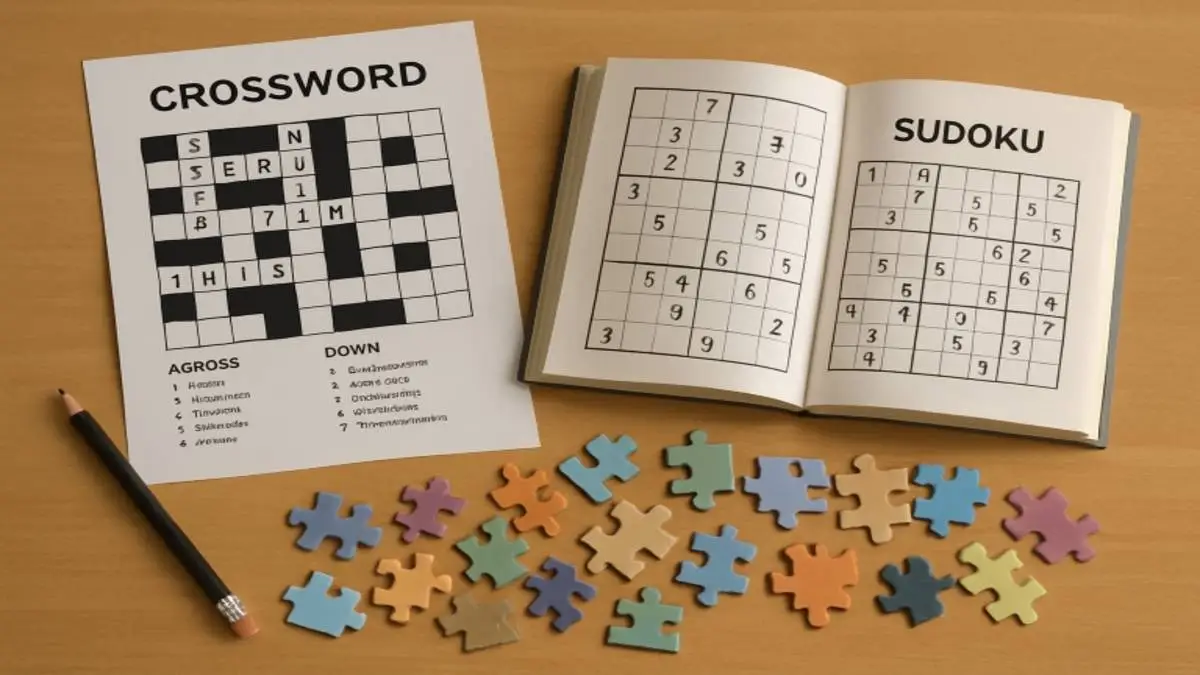
Whether you enjoy crosswords, Sudoku, or jigsaw puzzles, these enjoyable activities do more than entertain—they exercise vital areas of the brain and help reinforce neural connections. Scientific research consistently finds that people who incorporate puzzles into their daily routine often experience better memory retention and improved attention span. These cognitive exercises can translate into everyday benefits such as improved work performance, sharper decision-making, and a greater capacity to manage stress.
Moreover, mental stimulation is crucial not just for short-term performance but also for long-term brain health. Studies show that engaging regularly in puzzles may slow the progression of cognitive decline and even reduce the risk of dementia. For older adults and anyone seeking to maintain their mental fitness, the habit of puzzle-solving offers a fun and effective way to keep the brain active.
Beyond cognitive benefits, puzzles serve as effective stress relievers, offering a welcome break from digital overload or daily worries. By focusing on a puzzle, you allow your mind to detach from stressors and enjoy a meditative sense of satisfaction as you make progress—a benefit that enhances overall well-being and mood.
The Cognitive Benefits of Puzzles
Engaging in puzzles like crosswords, Sudoku, and jigsaw puzzles stimulates a broad range of cognitive functions. These activities challenge our memory, strengthen problem-solving skills, and sharpen attention to detail, making our minds more agile. According to a study published in Harvard Health, individuals with mild cognitive impairment who engaged in crossword puzzles experienced less brain shrinkage and better cognitive function than those who played other types of cognitive games.
Puzzles and Memory Enhancement
Puzzles require us to remember words, patterns, and strategies, exercising critical parts of the brain in the process. Engaging with puzzles, such as crosswords and word searches, regularly has been shown to help keep the mind sharp and responsive. A report featured in National Geographic revealed that frequent puzzle solvers had brain function equivalent to people a decade younger. This memory enhancement can positively impact daily responsibilities, from managing appointments to recalling important details quickly.
Delaying Cognitive Decline
The mental stimulation provided by puzzles is particularly valuable as we age. Studies show that older adults who consistently work on puzzles demonstrate better cognitive control and slower rates of cognitive decline. For example, a review from Progress Lifeline notes that consistent crossword use can delay the onset of dementia by as much as 2.5 years. These findings highlight the significant long-term impact of even simple brain games on mental acuity.
Stress Reduction and Mood Improvement
Puzzles offer a natural way to combat stress and elevate mood. The focused attention required to solve a puzzle helps the mind switch gears away from anxiety and routine stress. Completing a puzzle—no matter how small—triggers the release of dopamine, a neurotransmitter linked to pleasure, motivation, and learning. According to AOL, this mental “win” provides both immediate satisfaction and cumulative wellness benefits.
Incorporating Puzzles into Daily Life
Making puzzles a regular part of your routine doesn’t require much effort—just a willingness to engage your brain in new ways. Try starting your morning with a quick crossword or Sudoku to get your thinking started. Alternatively, keep a small puzzle handy for work breaks or downtime to offer a mental reset. Family puzzle nights, featuring jigsaw puzzles or board games, encourage both social interaction and cognitive exercise. For those on the go, mobile apps and digital puzzles ensure you never miss an opportunity to challenge your mind.
Choosing the Right Puzzles
The best results come from varying your puzzle choices to work different cognitive muscles. Crosswords improve vocabulary and verbal reasoning, while Sudoku enhances logical thinking and numerical skills. Jigsaw puzzles are excellent for developing visual-spatial reasoning, and challenging brain teasers help foster creative problem-solving abilities. Rotating through different types keeps the brain engaged and ensures holistic mental fitness.
Final Thoughts
Embracing puzzles as a daily habit is a simple way to protect and enhance brain health. These enjoyable challenges stimulate memory, focus, and cognitive resilience, while offering powerful stress relief and mood improvement. By incorporating a variety of puzzle types into your daily life, you invest in your current well-being and safeguard your cognitive future. Whether for personal enjoyment or as part of a broader wellness routine, puzzle-solving stands out as a rewarding and brain-boosting activity suitable for all ages.


Yoga Nidra: Deep Relaxation and Mindful Awareness

TamilYogi: Pirated Tamil Movies & TV Shows

Discover Jadeitový kameň: Symbol of Purity and Strength

Discover Mannacote: The Natural Alternative to Chemical Preservatives

Why Many Americans Purchase HGH in Mexico

Parvatasana Guide: Classical Roots & Modern Practice

Master Bhujangasana: Backbend Technique Explained

Messagenal and the Science of Clear Messaging

How Advanced Tooth Restoration Can Improve Oral Function

BCN Play OTT: Basic & Platinum Streaming Bundles

How Much Does Hair Transplant Cost in UAE

What is Chin Mudra? Discover Its Meaning and Health Benefits

Why Second Reads Matter For Complex Or Rare Cases

Telegraph247: A Comprehensive Guide to the Leading Online News Platform

Antarayas: Understanding and Overcoming Obstacles on the Path to Growth
-
 GENERAL8 months ago
Christofle – For Those Who Dream of Family Heirloom Silver
-
SPORTS10 months ago
Discover the World of Football with Streameast: Watch Your Favorite Leagues and Tournaments
-
GENERAL2 months ago
Uncovering the World of кинокрадко: The Dark Side of Film Piracy
-
GENERAL5 months ago
ATFBooru: Anime, Gaming, and Subculture Imageboard