
HEALTH AND FITNESS
Exosomes vs PRP: A Comprehensive Comparison in Regenerative Medicine

Introduction
Regenerative medicine is rapidly changing the landscape of healthcare with innovative therapies designed to restore function and accelerate tissue healing. Among the leading treatments, Platelet-Rich Plasma (PRP) and exosome therapies have attracted significant attention for their efficacy and versatility. Understanding their differences is essential for anyone considering these modalities for therapeutic or cosmetic use. Discover a more in-depth analysis of exosomes vs PRP in aesthetic practices to enhance your knowledge as a patient or provider.
As regenerative therapies continue to gain momentum, patients and clinicians often face the challenge of choosing the most suitable option. Both PRP and exosome treatments offer regenerative benefits but differ fundamentally in their sources, mechanisms, and practical applications. The expanding body of research and clinical feedback supports the value of understanding these distinctions before beginning treatment.
PRP therapy, grounded in decades of clinical use, has proven effective in a variety of fields, from orthopedics to dermatology. Exosome therapy, although newer, is generating excitement for its potent bioactive signaling and consistency of results. To make informed decisions, patients should consider how each therapy fits with their goals, health status, and expectations.
Table of Contents
Key Takeaways
- PRP and exosome therapies are two of the most innovative developments in regenerative medicine, each offering unique benefits for tissue repair and rejuvenation.
- Exosomes may provide more consistent and potent results due to their targeted signaling capabilities, while PRP is valued for its safety and cost-effectiveness.
- The choice between these therapies depends on patient health, clinical goals, and regulatory considerations
Origins and Composition
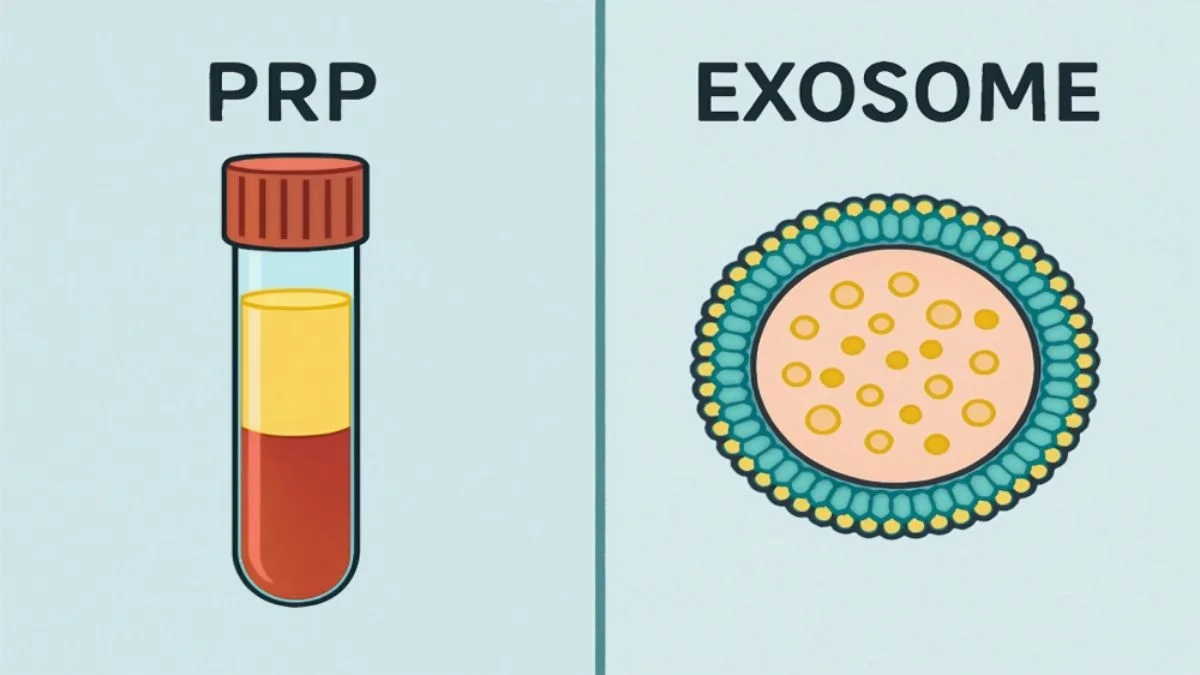
PRP therapy is distinctly autologous, meaning it is created from the patient’s own blood. After a straightforward blood draw, specialized centrifugation techniques are used to concentrate platelets that are naturally rich in regenerative growth factors. Individual biology, age, and health status will influence the quality and efficacy of PRP, making each treatment solution unique.
Exosomes, in contrast, are extracellular vesicles isolated primarily from donor stem cells. Each exosome is packed with potent proteins, lipids, mRNA, and microRNA capable of driving cell-to-cell communication. Because exosomes are purified and cultured outside the body, they can be engineered for consistency and potency two factors that contribute to their allure in modern therapeutic regimens.
Mechanisms of Action
The healing impact of PRP revolves around its growth factor content. When injected into tissue, these growth factors trigger cell proliferation, angiogenesis, and tissue repair processes. However, PRP’s efficacy can be unpredictable, with factors such as platelet concentration and donor health playing significant roles.
Exosomes, on the other hand, are master regulators of intercellular communication. They deliver their cargo of bioactive molecules directly to targeted cells, promoting collagen synthesis, reducing inflammation, and modulating immune responses. This results in a more controlled and predictable therapeutic outcome, and recent evidence suggests that exosomes outperform PRP in fine-tuning cellular environments for optimal healing.
Clinical Applications
Dermatology
In dermatology, PRP has become a trusted option for skin rejuvenation, scar reduction, and hair restoration. Patients commonly experience improved texture, elasticity, and reduced signs of aging. Exosome therapy, while newer, is demonstrating even greater improvements in skin quality and accelerated hair regrowth making it a compelling choice for patients unresponsive to traditional approaches.
Orthopedics
Orthopedic specialists utilize PRP to treat joint injuries, tendonitis, and osteoarthritis, capitalizing on its safety and minimal downtime. Exosome therapy is gaining momentum for its remarkable ability to reduce inflammation, protect cartilage, and accelerate recovery from soft-tissue injuries.
Wound Healing
Both therapies are valued for improving wound healing and reducing scar formation. Exosomes, given their rich signaling ability, are under investigation for complex wounds and chronic non-healing conditions, showing early promise in cases where standard therapies fall short.
Safety and Regulatory Considerations
The safety profile of PRP is robust, largely thanks to its autologous origin and minimal risk of allergic reaction. Most procedures are performed in-office, and infections or side effects are rare when executed under sterile conditions.
Exosome therapy, being allogeneic, is subject to greater scrutiny. Strict donor screening and enhanced manufacturing protocols help minimize the risk of contamination or disease transmission. Regulatory agencies such as the FDA actively monitor and guide the marketing and use of exosomes, underscoring the importance of choosing providers who adhere to the latest ethical and safety standards.
Practical Implementation
PRP therapy typically involves several steps: patient blood draw, rapid centrifugation, and immediate re-injection into targeted areas. This process, while efficient, demands careful handling and can be slightly uncomfortable for some patients.
In contrast, exosome treatments are supplied as standardized, ready-to-use products. This not only streamlines administration but also ensures consistent dosing, reducing the need for on-the-spot preparation or individual variability. Such convenience can be vital for busy practices and patients seeking quick, predictable interventions.
Cost Considerations
Cost is a major differentiator between the two modalities. PRP is generally more affordable, requiring only the patient’s blood, simple laboratory equipment, and trained personnel. Exosome therapy, which involves advanced stem cell culture and rigorous quality control, commands a higher price point. Patients and providers must balance these costs against their expectations for results, longevity, and overall treatment experience.
Conclusion
PRP and exosome therapies both offer exciting possibilities in regenerative medicine, with distinct advantages depending on the application and patient profile. PRP remains a mainstay for those seeking a safe, autologous solution, while exosome therapy is forging new standards in regenerative precision and efficacy. It’s essential to work closely with a qualified healthcare provider to determine which treatment aligns with specific goals and circumstances, especially as the field continues to evolve.


Understanding No Limit Telegram: Beyond the Official App

Photeeq: The Ultimate Photography and Editing Platform

Inside Scoop: Dhamaka Zone Celebrity Gossip Uncovered

RTasks EHR: Streamlined Care Management for Facilities

Explore Peñiculs: Holistic Framework for Complete Well-being

Retro Bowl 3kh0 Unblocked: Play the Classic Football Game Anywhere

SkyWestOnline: Complete Guide for SkyWest Employees

Setu Bandhasana Guide: Benefits, Technique & Safety Tips

How a Cooling Vest Helps You Recover After an Intense Workout or Yoga Flow

Top 10 Leading US Bronze CNC Machining Factory

Why Cybersecurity Is Essential for Modern Energy Infrastructure

Yoga Nidra: Deep Relaxation and Mindful Awareness

10 Benefits of Joining Prenatal Yoga Classes Online

TamilYogi: Pirated Tamil Movies & TV Shows

Discover Jadeitový kameň: Symbol of Purity and Strength
-
 GENERAL8 months ago
Christofle – For Those Who Dream of Family Heirloom Silver
-
SPORTS10 months ago
Discover the World of Football with Streameast: Watch Your Favorite Leagues and Tournaments
-
GENERAL2 months ago
Uncovering the World of кинокрадко: The Dark Side of Film Piracy
-
GENERAL5 months ago
ATFBooru: Anime, Gaming, and Subculture Imageboard