EXERCISE
Movement That Changes More Than Your Silhouette. Pilates as the Language of the Modern Body

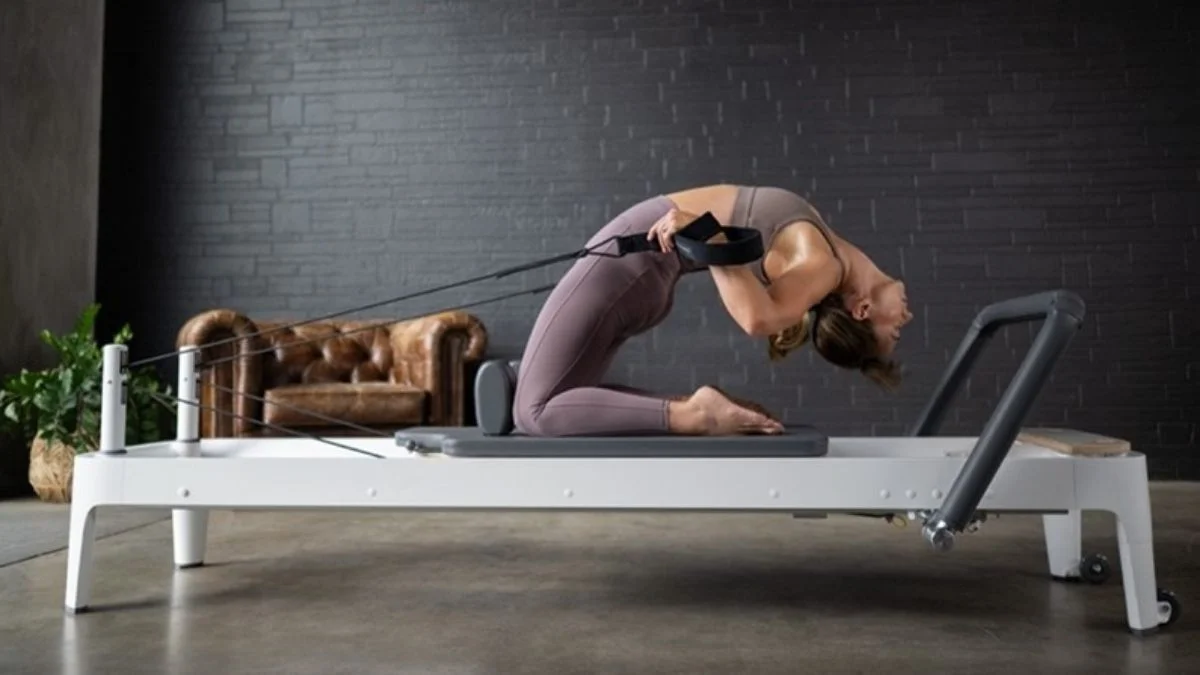
Pilates is increasingly seen as much more than a set of exercises for muscles. For many people, it becomes a tool for changing the way they move, breathe, and respond to everyday demands. It is a form of movement that not only shapes the body, but teaches it a modern “language”—one that is conscious, balanced, and resilient to overload.
Table of Contents
Movement That Changes More Than Appearance
For many years, fitness culture focused primarily on how the body looks—quick aesthetic results, calorie burning, and intense effort. This approach often overlooked a more fundamental question: how the body actually functions in daily life and what the long-term consequences of this kind of training might be. Pilates offers a clearly different perspective—movement that begins with quality, awareness, and control, and only later influences appearance.
Instead of forcing the body into effort, Pilates teaches it to move in a way that is aligned with anatomy, biomechanics, and the body’s real capabilities. Changes in appearance often occur naturally as a result of this work, but they are not the main goal. Better posture, a more stable center, freer breathing, and smoother movement patterns make the body look different because it functions differently.
Pilates does not “sculpt” the body through tension and exhaustion. Instead, it organizes the body from the inside, restoring balance and coherence. This internal reorganization of movement is what makes the changes lasting rather than superficial.
Pilates as the Language of the Modern Body
The modern body is no longer defined solely by strength or range of motion, but by its ability to adapt to changing conditions. Pilates develops exactly this skill—the ability to respond flexibly to load, changes in position, and movement tempo without excessive tension.
Each exercise becomes a clear signal sent to the nervous system, teaching it what safe, stable, and controlled movement feels like. As a result, the body no longer reacts impulsively, but moves consciously and predictably.
Over time, this “language of movement” extends beyond the studio. The body begins to apply it automatically in everyday situations—while walking, sitting, standing up, or reaching for objects. Movement becomes more economical, fluid, and less taxing, without the need for constant mental control. At this point, Pilates stops being just a workout and becomes an integral part of daily movement and modern, conscious bodily function.
Body Awareness Instead of Control Through Force
One of the greatest—and often underestimated—values of Pilates is the development of body awareness rather than control based on force or tension. In many popular forms of physical activity, movement is imposed: faster, stronger, further—often at the expense of quality and safety. Pilates offers a completely different approach: first notice what is happening in the body, and only then introduce change.
This shift of attention from “doing” to “feeling” makes movement more intelligent and aligned with the body’s natural mechanisms. Unnecessary tension decreases, and muscles begin to cooperate rather than compete, significantly improving movement efficiency.
For many people, Pilates is the first form of physical activity that does not exhaust or overload the body, but instead organizes and regenerates it. Movement stops being something to endure and becomes a process that genuinely supports the body.
Why Pilates Changes the Relationship With Your Body
In Pilates, there is no pressure to compare yourself to others or constantly push beyond your limits. Each movement is related to individual abilities, ranges, and current needs, rather than external standards or group pace. This approach gradually changes how the body is perceived—from something that needs fixing to a system that is worth understanding, observing, and supporting.
Pilates teaches that progress is not about “more,” but about “better.” As a result, many people begin to see their body as an ally rather than a source of problems or limitations. Pain is no longer something to ignore or push through, but information that helps refine movement habits.
Pilates develops the ability to read the body’s signals and respond with awareness, instead of suppressing them. This change in relationship is what makes the practice sustainable, safe, and genuinely life-enhancing.
The Role of Breathing and the Nervous System
Pilates works not only with muscles and joints, but to a great extent with the nervous system, which regulates tension, movement, and the body’s response to stress. Calm, conscious breathing synchronized with movement plays a fundamental role—not as an addition, but as the foundation of the practice.
Through breathing rhythm, Pilates helps reduce excessive nervous system activation and gradually restore balance between action and regeneration, which is often missing in everyday life. In practice, this translates into better concentration, greater stress resilience, and faster recovery—both physically and mentally.
The body learns to respond more calmly, without sudden spikes of tension. This is why Pilates is increasingly chosen by people working mentally, exposed to chronic stress and information overload—as a form of movement that regulates rather than overstimulates.
Pilates in a World of Overload and Sedentary Living
The modern body functions under conditions it was not evolutionarily designed for: prolonged sitting, limited movement variability, one-sided loads, and chronic lack of recovery have become the norm. Pilates responds to these challenges by restoring mobility where stiffness appears and stability where movement chaos exists.
Rather than compensating for lack of movement with intense training, Pilates organizes fundamental movement patterns and teaches the body to function in a more balanced way. Regular practice helps reduce spinal and joint overload, improve posture, and enhance the quality of everyday movements such as sitting, walking, or changing positions.
This is not movement reserved for weekends or detached from reality—it is a tool that supports functioning in the real conditions of modern life. Pilates integrates seamlessly into daily routines, helping the body cope with demands instead of constantly reacting with pain and tension.
Who Pilates Becomes a New Language of Movement For
Pilates is especially beneficial for people who feel that traditional forms of exercise no longer serve their body’s needs. It is a method for those who recognize that intensity does not always equal well-being, and that pushing harder can sometimes increase tension and overload. Pilates offers an alternative based on quality, awareness, and long-term support, rather than short-lived effects.
Most often, Pilates becomes a new “language of movement” for people who:
- feel that traditional training no longer works for them,
- struggle with tension, pain, or overload,
- want to improve movement quality, not just appearance,
- seek activity that connects the body and the nervous system,
- need a form of movement that can be practiced long-term.
It does not exclude other physical activities—on the contrary, it often becomes their foundation, organizing movement, increasing body awareness, and improving safety across all forms of training.
Movement as a Tool for Change, Not a Goal in Itself
Pilates shows that movement can be far more than a workout aimed at visual results or temporary fatigue. It can become a tool for changing how we think about the body, how we work with tension, and how we respond to everyday physical and mental challenges.
In a world that constantly demands more and faster, Pilates proposes smarter, calmer, and more conscious movement. Movement that not only influences appearance, but truly improves quality of life—through better body awareness, greater stress resilience, and a healthier relationship with limitations.
Here, movement is not the goal itself, but a means of restoring balance, comfort, and long-term well-being. This post was created in collaboration with balanced-body.lt.



Holistic Chiropractic Care: A Comprehensive Approach to Health and Wellness

How to Stay Anonymous on the Internet

How Medical Treatment Timing Affects Your Car Accident Claim

OTI IAS: Modern UPSC Preparation Competency Model

Why Local Connection Still Matters When Choosing NDIS Providers in Preston

Privacy Curtain Design Considerations for Hospitals, Clinics, and Medical Centers

Medical Software Solutions: Comprehensive Guide for Choosing a Robust DAX Copilot Alternative

How DAX AI Scribe Transforms Patient Documentation Efficiency

Artificial Fall Wreath vs Natural Fall Wreath: Which Looks More Authentic?

Faux Plants vs Real Plants: Which Is More Cost-Effective for Home Decor?

Pravi Celer: Stalk Celery Uses, Benefits, and Identity

What Is Stormuring? A New Era of Strategic Agility

Foenegriek (Fenugreek): Health Benefits, Uses & Substitutes

Uncuymaza: Leading Higher Education in Mendoza, Argentina

BCN Play OTT: Basic & Platinum Streaming Bundles
-
 GENERAL12 months ago
Christofle – For Those Who Dream of Family Heirloom Silver
-
SPORTS1 year ago
Discover the World of Football with Streameast: Watch Your Favorite Leagues and Tournaments
-
GENERAL5 months ago
Uncovering the World of кинокрадко: The Dark Side of Film Piracy
-
GENERAL2 months ago
Unveiling the Art of преводсч: How Translators Bridge Language Barriers