Tech
Nano Banana AI and the Future of Casual Creativity

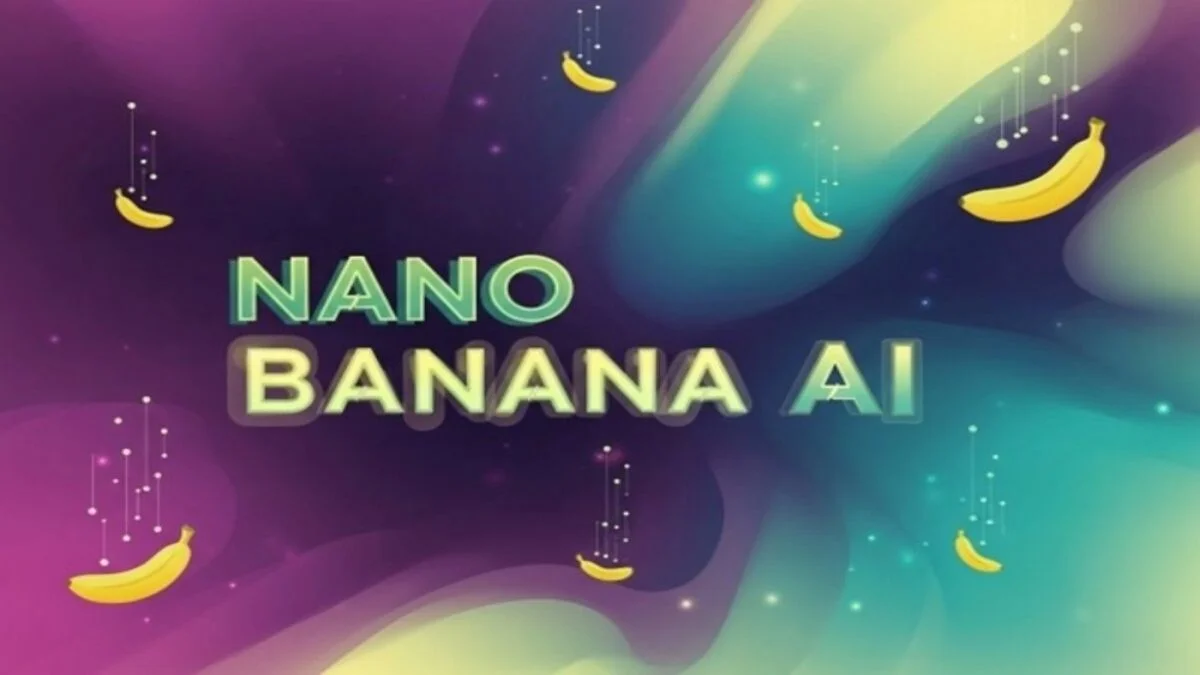
Nothing about the rise of Nano Banana Pro feels forced. It didn’t need a big corporate push or a dramatic launch to get people talking. Some people would think that since it is a tool from Google, it required a flashy marketing campaign, but it was quite the opposite. It earned attention the old-school way: by being fun and by mouth-to-mouth diffusion. What started as a small, playful tool slowly grew into a steady wave of creativity across timelines, group chats, and communities that don’t normally overlap.
Table of Contents
A Fresh Look at Nano Banana AI
Nano Banana 2 didn’t win people over with complexity it won by feeling approachable. You didn’t need to be a designer or a prompt expert to get something cool out of it. The tool understood loose descriptions, messy wording, and playful vibes. That looseness made it feel more like a tiny creative toy than a strict generator.
Something was refreshing about that. In a year where AI tools kept getting “bigger” and “smarter,” it felt like the opposite: small, charming, and genuinely fun to experiment with. The images had character. They weren’t sterile or overly perfect, and that hooked users. Workflows became simpler, like a conversation with a friend that you wanted to show a picture and get ideas from.
How Mixboard AI Helped Things Click
Behind the curtain, Nano Banana AI benefited from the timing of Google Mixboard, a new approach to generative engines that focused less on robotic accuracy and more on adaptability. Mixboard AI didn’t punish you for being imprecise. It seemed comfortable interpreting natural, everyday phrasing, using Nano Bana as its main engine, and offering a collaborative workspace.
That meant anyone could use it without having to know prompt engineering. The tool followed tone hints, mood shifts, and messy descriptions just fine. It is all about simple experimentation with short sentences.
AI Figures Brought Users Together on Casual Creations
No one planned for the “AI Figures” trend to take off. It just happened. People started generating images of their OCs or favorite characters posed like little collectible toys sitting on cluttered desks, crafting mats, or dimly lit gaming setups. The results brought a familiar feeling that ignited a spark of virality. It reminded people of the joy of collecting things, arranging them, and building little worlds around them.
AI Figures gave a cozy feeling to the scene, familiar results in a new trend. Each image looked like it came from someone’s personal corner of the room a desk lamp, a coffee mug, a keyboard, a messy sketchbook. It captured that lived-in feeling beautifully, and people loved it enough to keep the trend running for weeks. And the nature of the images made the rest. A broad number of people started to share their creations and wanted their own Original Characters to be seen that way, displayed as collectible figures.
Why People Connected to Nano Banana AI
Different groups found their own uses for the tool. Artists used it for mockups and warm-ups. Writers visualized characters and scenes. Hobbyists recreated their favorite figures or made imaginary collectibles they wished existed. And casual users simply enjoyed sharing quick, funny outputs.
No matter how short or simple your prompt is, it somehow brings back a pretty striking output. It sometimes even gets the feeling that it can understand the tone of your words while prompting. If you wanted something dramatic, it delivered drama. If you wanted something cute, or something adventurous, futuristic, or medieval fantasy… Your imagination is the limit while bringing your ideas to life.
The Process Was Funnier and So the Results
One of the best things it brought back was the idea of creating for no reason. Not for a portfolio, not for a job, not for an audience, just because it felt good.
You didn’t need perfect prompts or artistic skill. The tool invited people to play around, make something silly, and share it in the moment. That relaxed vibe is something the internet has been missing for a while.
To put it simply:
- People stopped worrying about perfection.
- They started posting because it felt fun again.
Intimidation behind technical knowledge wasn’t an issue anymore. Accessible tools like Nano Banana Pro opened the door for new creators to give shape to their ideas.
A New Layer of Remix Culture
Another reason it spread so naturally is how easy it was to remix ideas. Someone posted an AI Figure of their wizard OC? Suddenly, everyone was making their own. Someone created a stylized desk setup? Others copied the framing with different characters. Tiny details turned into memes. Background props became inside jokes.
You didn’t need a huge skillset, you just needed curiosity, creativity, and a few minutes. The trend led to a community feeling with constant creative input, and it followed it promptly. It wasn’t about competing. It wasn’t about chasing attention. It was about participating in a shared joke, a mood, or a nostalgic moment.
Nostalgia and the “Toy Aesthetic” Trend
People didn’t just love it for what it could generate, they loved the memories it pulled back. The toy-like style, the desk setups, the warm lighting… it reminded users of childhood shelves cluttered with figures, or the excitement of opening a new collectible, or even seeing someone else’s hobby setup and feeling a small jolt of inspiration.
It made digital creations feel tangible. And that tangibility helped the tool connect with people in a way that felt a bit more emotional than usual for a tech trend. You didn’t need lore, backstory, or context the image itself did the talking, bringing abstract ideas to life.
Where Casual Creativity Goes From Here
If Nano Banana AI proved anything, it’s that the next phase of generative tools isn’t going to be about raw horsepower. It’s going to be about accessibility, fluidity, and emotional resonance. People want tools that understand tone, not perfect syntax. They want images that feel personal, not sterile. They want playful results, not intimidating interfaces. Generative engines are starting to get ecosystems to provide more solid ideas. Their evolution is a matter of time, but we’re already enjoying the results of it.


Sleep Music: The Science Behind Better Sleep

Mastering the Standing Split: A Step-by-Step Guide

7 Entry Level Yoga Poses for Stress Relief

10 Backbend Yoga Poses for Beginners

10 Best Yin Yoga Poses for Deep Relaxation

Why Some Aircon Units Blow Air Without Actually Cooling the Room

Yoga and Stress: Can Relaxation Improve Facial Appearance?

Manual Therapy vs Exercise Therapy: Which Approach Works Best for Breast Cancer Physical Therapy?

Is Therapy the Missing Piece in Your Journey to a Healthier, Happier Life?

Thera Rehab Strategies: Essential Guide for Effective Breast Cancer Recovery

Audio Converter AI Audio to Text Converter Full Review: Best Free AI-Powered Audio Transcription Tool in 2026

The Workout Habits Quietly Holding Women Back at the Pilates

The 5 Best HIPAA-Compliant Communication Platforms for Multi-Location Healthcare Organizations

Cataracts and Diabetes: What Patients in Singapore Should Know

Cosmetic Dentistry Trends in 2026: How Minimally Invasive Techniques Are Creating Natural, Youthful Smiles
-
 GENERAL12 months ago
Christofle – For Those Who Dream of Family Heirloom Silver
-
SPORTS1 year ago
Discover the World of Football with Streameast: Watch Your Favorite Leagues and Tournaments
-
GENERAL6 months ago
Uncovering the World of кинокрадко: The Dark Side of Film Piracy
-
GENERAL2 months ago
Unveiling the Art of преводсч: How Translators Bridge Language Barriers