
HEALTH AND FITNESS
5 Ways to Monitor Hearing Health Between Professional Checks

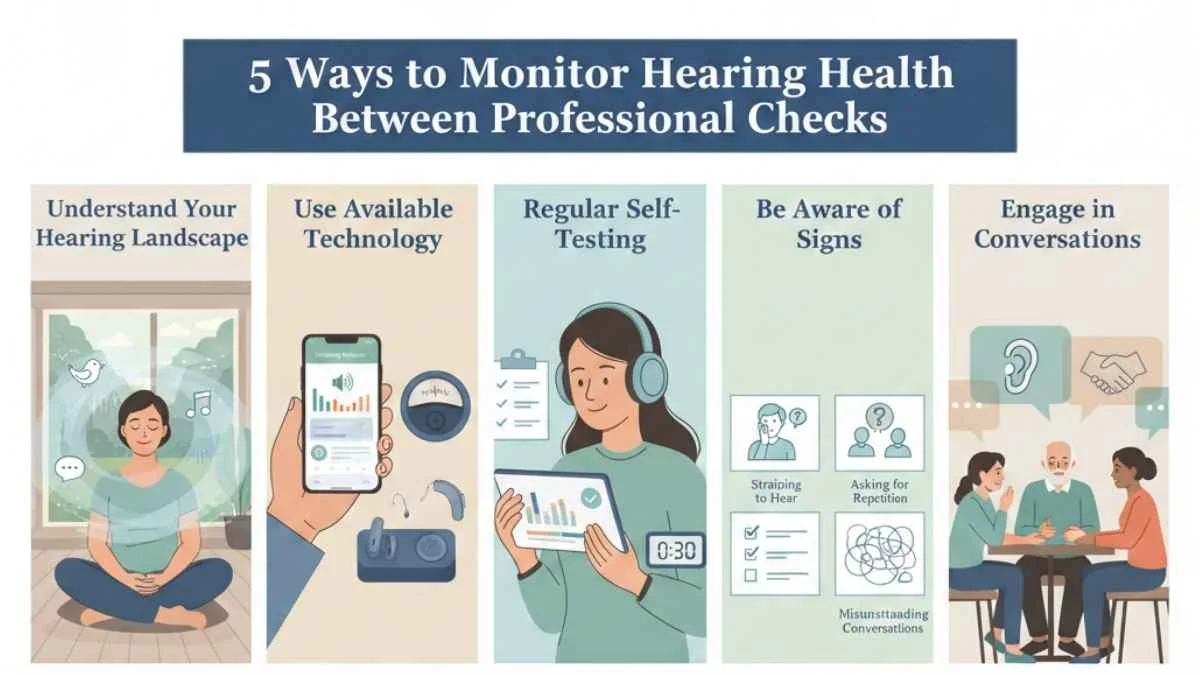
Hearing health is a crucial yet often overlooked aspect of our overall well-being. Regular check-ups with audiologists are essential for maintaining good hearing, but it’s equally important for individuals to be proactive in monitoring their own hearing health between these professional assessments. Here are five practical ways to do just that.
Table of Contents
Understand Your Hearing Landscape
The first step in monitoring your hearing health is to understand your current listening environment. Are you often in loud places, or do you spend long hours in silence? Recognizing how these environments affect your hearing can offer valuable insights.
Consider keeping a journal of your daily sounds and experiences. Note when you find it difficult to hear conversations or sounds, and identify the conditions, for example, background noise, distance from the speaker, or even your mood. Over time, this record can serve as a helpful reference point for discussions with your audiologist.
Use Available Technology
In today’s digital age, technology plays a significant role in health monitoring, and hearing health is no exception. Many mobile applications can help you assess your hearing capacity through basic tests. For instance, some apps offer simple tone tests to determine your range of hearing, while others can evaluate your ability to understand speech in noise.
These digital tools may not replace a professional assessment, but they provide a helpful baseline for understanding potential shifts in your hearing ability. As part of your ongoing monitoring routine, consider incorporating these applications into your lifestyle, especially if you notice changes in your hearing.
To enhance your understanding of hearing health and the technology available, check out resources from VIP Hearing Solutions. They offer a range of insights and tools designed to educate individuals about hearing health and the importance of regular check-ups.
Regular Self-Testing
Alongside technological options, consider performing simple self-tests at home. One straightforward method is to try conversing with someone at varying distances in different sound environments. This can help determine how well you can pick out speech amid noise or at various volumes.
Another technique involves listening to music or other audio at low and high volumes. If you start to find it tough to detect nuances in tones or if music that used to sound clear becomes muddled, it may indicate a need for a professional evaluation.
Be Aware of Signs
Being informed about the warning signs of hearing loss is a vital part of monitoring your hearing health. Common indicators include:
- Difficulty understanding speech, especially in noisy environments
- Constantly asking others to repeat themselves
- A feeling of fullness or pressure in your ears
- Tinnitus, or ringing in the ears
If you experience any of these symptoms, it’s essential not to ignore them. Instead, use these signs as guiding prompts to schedule a hearing evaluation with a professional. The sooner you address any concerns, the better your chances are of managing them effectively.
Engage in Conversations
While talking openly about hearing health might seem daunting, engaging in conversations with friends and family about their hearing experiences can be illuminating. Sharing personal stories can provide insights into common challenges, solutions that worked for others, and different types of assistive devices or technologies available.
Community support plays a fundamental role in fostering awareness and proactive behaviour. Consider participating in local groups or online forums dedicated to hearing health. Engaging actively allows you to gain knowledge while also helping others who may be experiencing similar challenges.
Seek Professional Guidance
Although self-monitoring is valuable, it is crucial to balance your efforts with professional advice. When making regular check-ups a priority, audiologists can provide expert evaluations and tailored recommendations based on your unique circumstances.
If you notice concerning signs during your self-monitoring activities, don’t wait for your next scheduled appointment. Consult with your audiologist as soon as possible to discuss your findings. A proactive approach in seeking professional advice can lead to early interventions, making a significant difference in your hearing health.
Consider Lifestyle Adjustments
Our lifestyle choices can drastically affect hearing health. Minor adjustments can lead to significant improvements. Here are several lifestyle changes to consider:
- Limit exposure to loud sounds: Use earplugs in noisy environments like concerts or construction sites.
- Take breaks: If you’re frequently exposed to loud noises, ensure you take breaks to allow your ears to recover.
- Mind your overall health: Conditions such as diabetes, high blood pressure, and obesity can influence hearing health. Regular exercise, a balanced diet, and staying hydrated contribute positively to overall wellness, which includes your ears.
Making these lifestyle changes can be a simple yet effective way to safeguard your hearing between professional assessments.
Conclusion
Monitoring your hearing health between professional checks is not only possible but essential. By understanding your environment, using technology wisely, performing regular self-tests, sharing experiences with others, and making informed lifestyle choices, you can remain aware of your hearing capabilities and take action when necessary.
Investing the time and effort into self-monitoring can lead to better outcomes and a higher quality of life. Remember, while self-tests and journals can provide insights, professional evaluations are irreplaceable. Combine these strategies for a holistic approach to hearing health, and don’t hesitate to reach out to experts like those at VIP Hearing Solutions for comprehensive support and guidance.


Master the Fly Pose: A Step-by-Step Guide for Yoga Enthusiasts

Partner Yoga Poses: A Journey of Connection, Trust, and Balance

Unlocking the Healing Power of Tibetan Singing Bowls: A Comprehensive Guide

Kundalini Awakening: Balancing Energy Through Yoga

PPC Marketing for Dentists, How to Write Ad Copy that Matches Real Patient Fears and Wins Clicks

Yalla Choy: Nutritional and Versatile Leafy Green Vegetable

Yoga Exercises: Benefits, Types, and Safe Practice Guide

Black Letterboxes: The Minimalist & Functional Design for Your Front Door

Hospital Cleaning Services: Ensuring Hygiene and Safety in Healthcare Facilities

Solar Plexus Chakra: Meaning, Power, and Inner Confidence

Unlocking the Power of Urdhva Dhanurasana: A Guide to Wheel Pose

8 Health Benefits of Bikram Yoga

Hand Yoga and 6 Poses to Benefits Hands, Fingers and Wrists

Chaturanga Yoga Guide | Strength, Balance & Mindfulness

Chest Opener Stretch: Technique, Benefits, and Best Practices
-
 GENERAL9 months ago
Christofle – For Those Who Dream of Family Heirloom Silver
-
SPORTS11 months ago
Discover the World of Football with Streameast: Watch Your Favorite Leagues and Tournaments
-
GENERAL3 months ago
Uncovering the World of кинокрадко: The Dark Side of Film Piracy
-
GENERAL5 months ago
ATFBooru: Anime, Gaming, and Subculture Imageboard